
 E-Paper



Rajas, Jains, even a Tagore: Meet eight dinosaurs that called India home
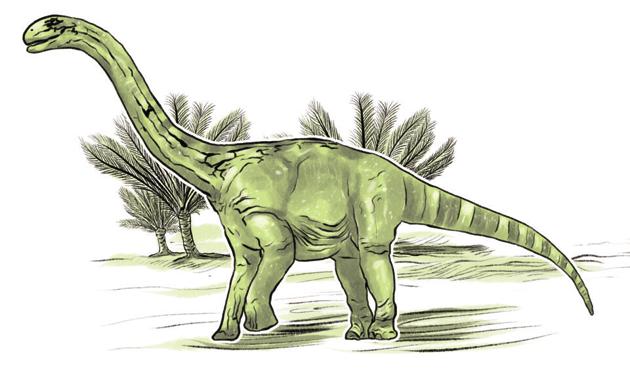
This gigantic vegetarian is called the Barapasaurus tagorei. It’s named for its build (bara = big, pa = leg) and for Rabindranath Tagore, it weighed 14 tonnes and stood 15 metres tall – long-necked and 4 metres wide at the hips. It’s also one of India’s most complete skeletons, yielded from at least six individual animals excavated from Pochampalli, Telangana. We have every bone except for the skull and one vertebra. We even know it had spoon-shaped teeth. (Srikrishna Patkar/HT Illustration)
Updated on: Mar 29, 2017 4:13 PM IST


Share via


Copy link

1/8
 View Photos in a new improved layout
Updated on Mar 29, 2017 4:13 PM
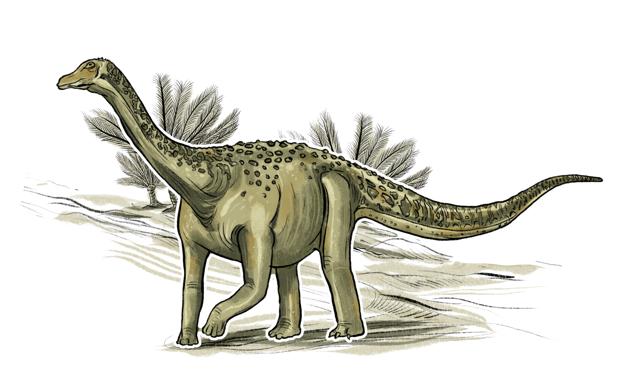
This gigantic vegetarian is called the Barapasaurus tagorei. It’s named for its build (bara = big, pa = leg) and for Rabindranath Tagore, it weighed 14 tonnes and stood 15 metres tall – long-necked and 4 metres wide at the hips. It’s also one of India’s most complete skeletons, yielded from at least six individual animals excavated from Pochampalli, Telangana. We have every bone except for the skull and one vertebra. We even know it had spoon-shaped teeth. (Srikrishna Patkar/HT Illustration)
2/8
 View Photos in a new improved layout
Updated on Mar 29, 2017 4:13 PM
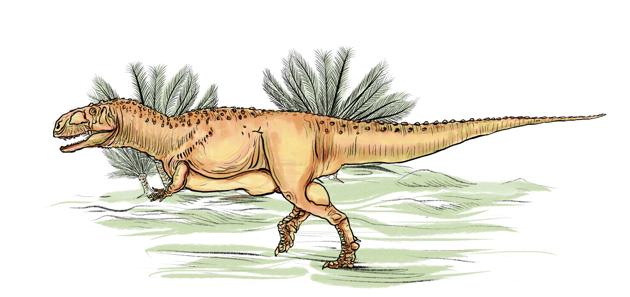
Think of this one as the top dog, the apex carnivore of the cretaceous period. The (Srikrishna Patkar/HT Illustration)
3/8
 View Photos in a new improved layout
Updated on Mar 29, 2017 4:13 PM
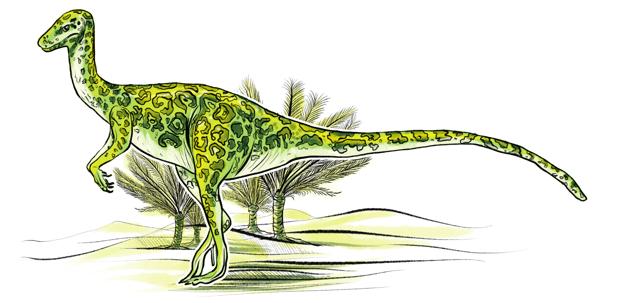
This wonderfully named dinosaur, the Jubbulpuria is named after Jabalpur in MP, where fossils were excavated. It was small, barely half a metre tall and 1.2 metres long. But it was known to be a sharp predator. (Srikrishna Patkar/HT Illustration)
4/8
 View Photos in a new improved layout
Updated on Mar 29, 2017 4:13 PM
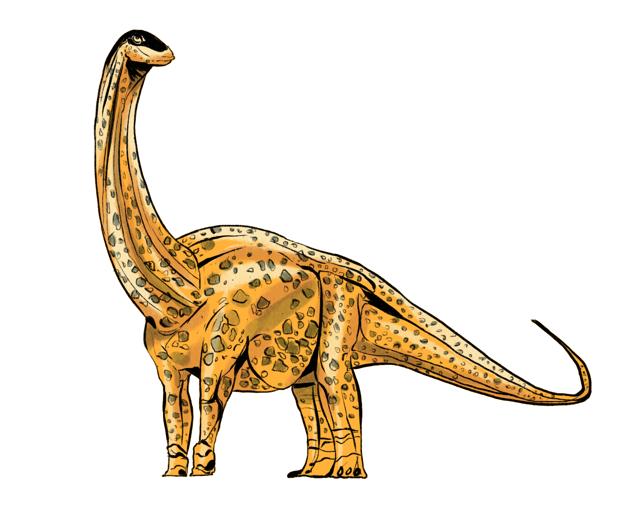
At 13.5 metres and nearly 5 metres wide, the Kotasaurus yamanpalliensis would have stood tall in Yamanapalli, Telangana, where bones from 13 animals were found. The four-legged dinosaur gets its name from the Kota village nearby and seemed to have been a plant-eater. (Srikrishna Patkar/HT Illustration)
5/8
 View Photos in a new improved layout
Updated on Mar 29, 2017 4:13 PM
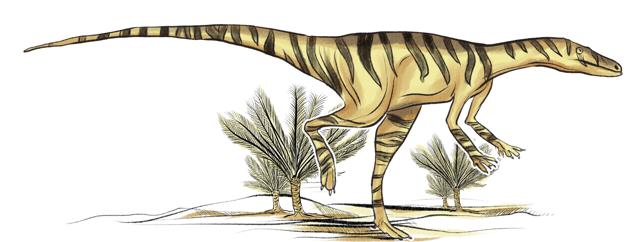
One of the earliest known dinosaurs, fossilised bones of this species were discovered in the red mudstone in Adilabad (now Telangana). The Alwalkeria maleriensis seemed to be built for speed and agility. It stood erect at 1.5 metres but weighed only about 3 kg – even its bones were hollow. It had straight, sharp front teeth, with side teeth curved backwards, and ate everything from plants and small animals to insects. (Srikrishna Patkar/HT Illustration)
6/8
 View Photos in a new improved layout
Updated on Mar 29, 2017 4:13 PM
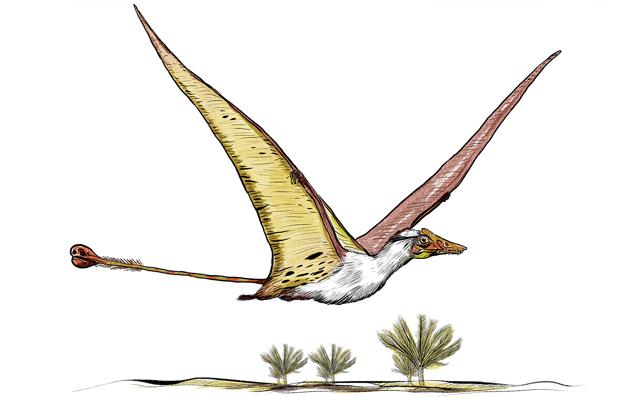
A bit of a worry, this one. It’s the only avian dinosaur found in India so far. But only a fragment was unearthed, so its existence is still in doubt. The Campylognathus indicus was named for its upward hooked or curved jaw. It’s likely to have hunted for fish along the shallow seas between Rajasthan, Jharkhand and Meghalaya. (Srikrishna Patkar/HT Illustration)
7/8
 View Photos in a new improved layout
Updated on Mar 29, 2017 4:13 PM
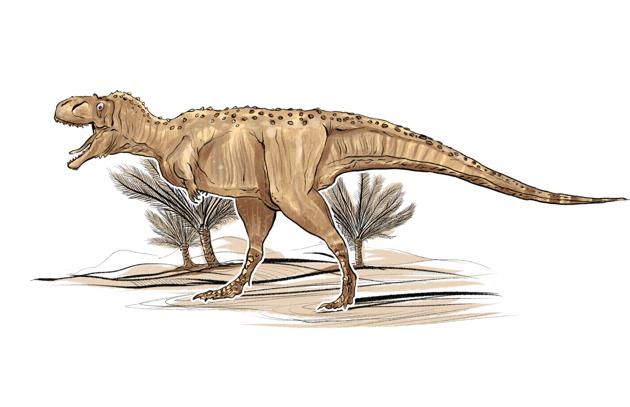
Fossils found near Jabalpur in Madhya Pradesh indicate that this carnivore, the Indosaurus, didn’t stretch past 9 metres from snout to tail. But it weighed 700 kg, had stocky legs, a complex skull and bony crests between its eyes. (Srikrishna Patkar/HT Illustration)
8/8
 View Photos in a new improved layout
Updated on Mar 29, 2017 4:13 PM


