
 E-Paper



Versova beach: The patch where fenugreek is grown
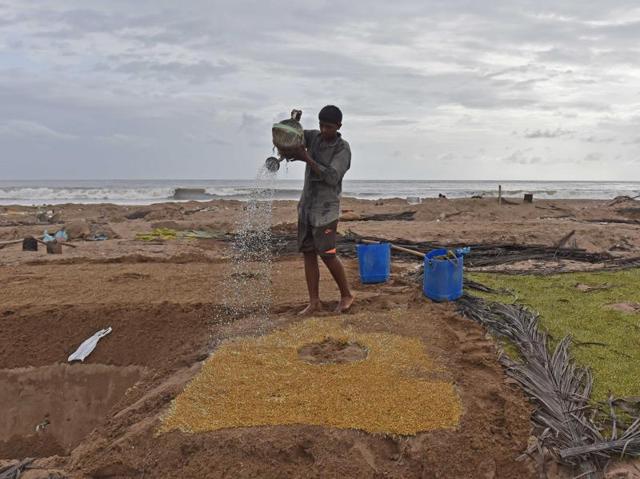
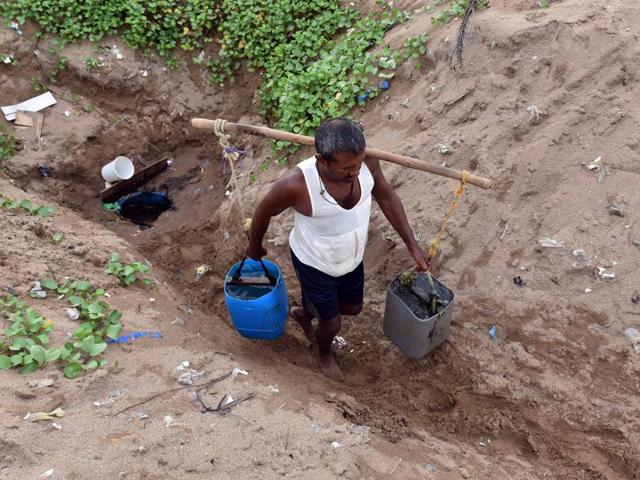
Versova in Mumbai has been witnessing fenugreek farming for years, with some families doing the job for as long as 60 years. Currently, 30-40 farmers grow fenugreek along the beach. (In pic) A farmer carries water from a well dug in sea sand on Tuesday. (Pratham Gokhale)
Updated on: Aug 28, 2016 5:43 PM IST

Share via


Copy link

1/10

 View Photos in a new improved layout
Updated on Aug 28, 2016 5:43 PM
Versova in Mumbai has been witnessing fenugreek farming for years, with some families doing the job for as long as 60 years. Currently, 30-40 farmers grow fenugreek along the beach. (In pic) A farmer carries water from a well dug in sea sand on Tuesday. (Pratham Gokhale)
2/10
 View Photos in a new improved layout
Updated on Aug 28, 2016 5:43 PM
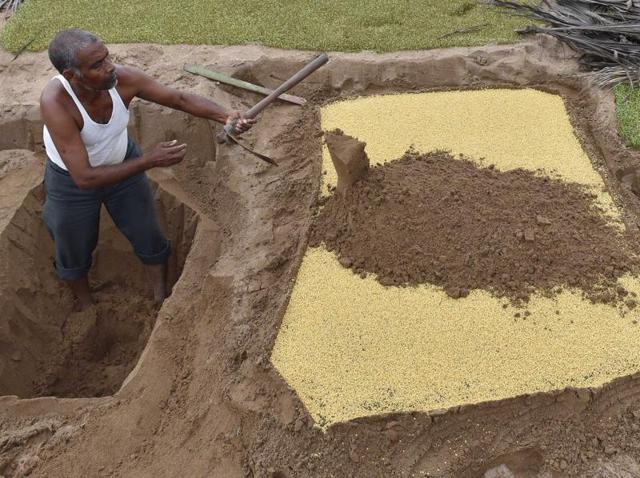
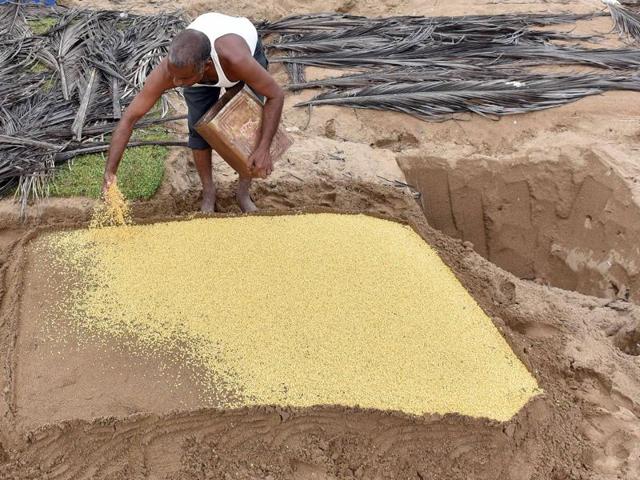
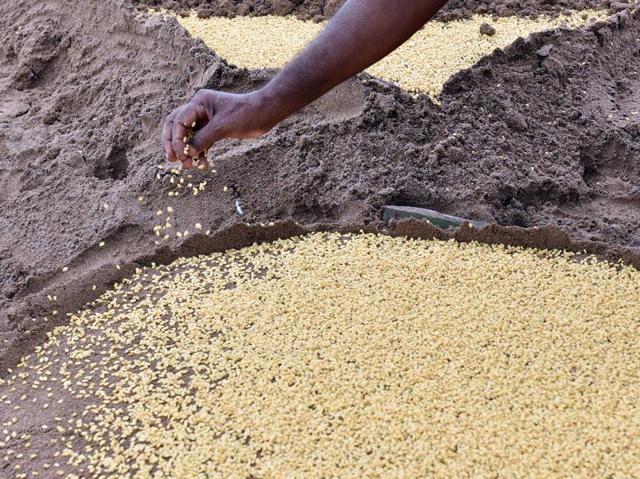
Fenugreek is grown on a squarish or rectangular patch on sand. Farmers make circular spots on the patch to hold water. A layer of seeds is covered with a layer of sand. The patch needs to be watered continuously for seven days. (Pratham Gokhale)
3/10
 View Photos in a new improved layout
Updated on Aug 28, 2016 5:43 PM
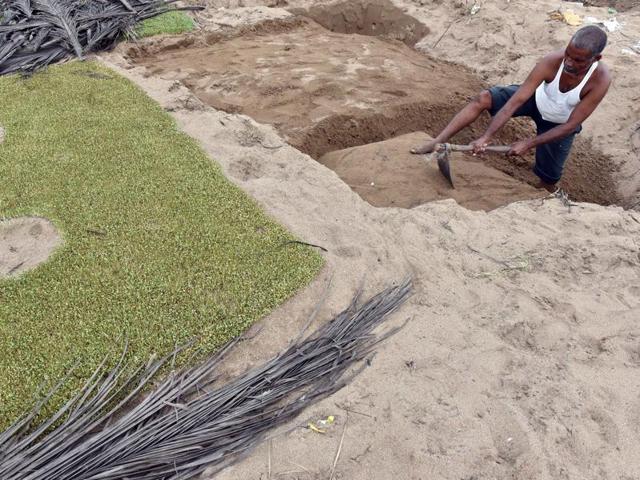
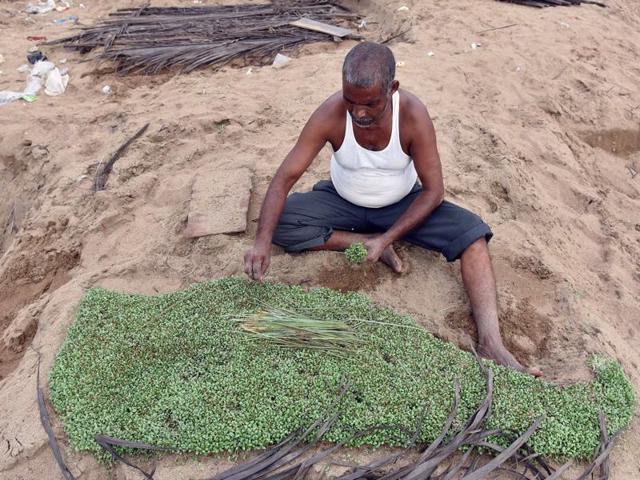
One patch produces approximately 7kg of fenugreek leaves. Each farmer makes 5-7 patches to cultivate fenugreek. They sow seeds on different patches on different days so that they get fresh crop every day. (Pratham Gokhale)
4/10
 View Photos in a new improved layout
Updated on Aug 28, 2016 5:43 PM
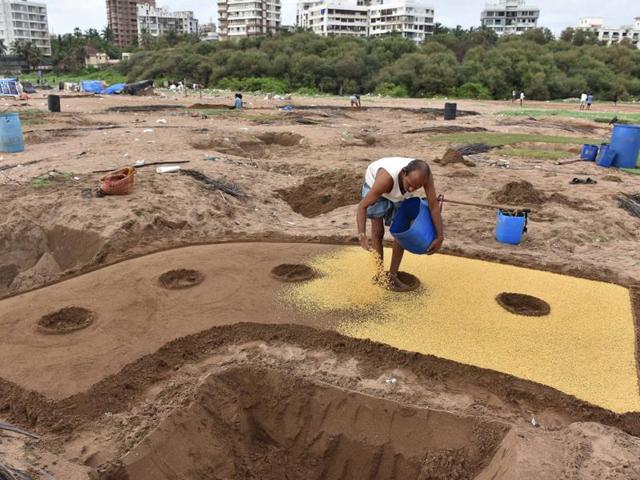
A farmer readies a plot for sowing. (Pratham Gokhale)
5/10
 View Photos in a new improved layout
Updated on Aug 28, 2016 5:43 PM
Sandy loam soils are best for fenugreek cultivation as they have good drainage capacity. (Pratham Gokhale)
6/10
 View Photos in a new improved layout
Updated on Aug 28, 2016 5:43 PM
According to a farmer, they earn approximately Rs10-Rs15 for every 15 bunches of fenugreek. (Pratham Gokhale)
7/10
 View Photos in a new improved layout
Updated on Aug 28, 2016 5:43 PM
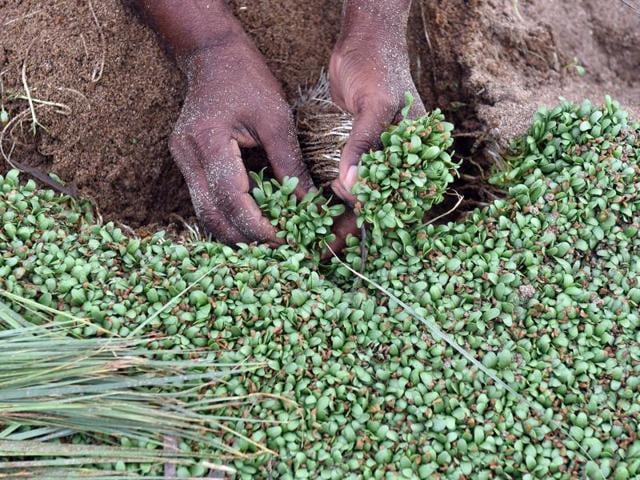
The crop doesn’t require any fertiliser or manure. (Pratham Gokhale)
8/10
 View Photos in a new improved layout
Updated on Aug 28, 2016 5:43 PM
Fenugreek is popularly known as ‘methi’. Its seeds are used as a spice and leaves as vegetable. (Pratham Gokhale)
9/10
 View Photos in a new improved layout
Updated on Aug 28, 2016 5:43 PM
The BMC conducts anti-encroachment drives regularly, driving away the farmers. (Pratham Gokhale)
10/10
 View Photos in a new improved layout
Updated on Aug 28, 2016 5:43 PM


