
 E-Paper



Sandboarding in Egypt’s Wadi el-Rayan Fayoum
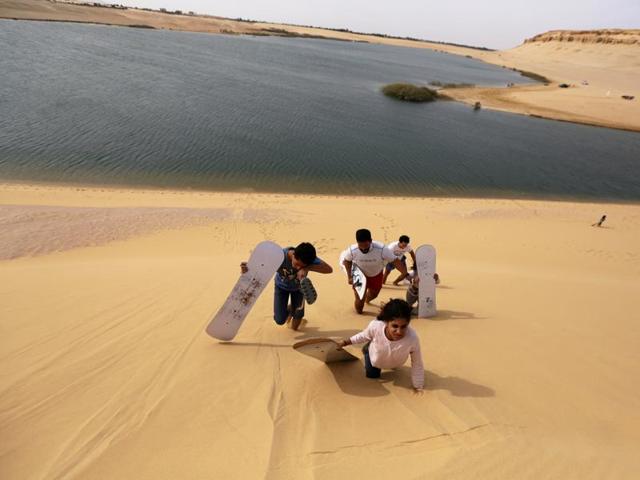
A group climbs in Wadi el-Rayan Fayoum, Egypt, November 18, 2016. The region, more particularly its valley, is known for its dominant water bodies called the Wadi El Rayan lakes. (REUTERS)
Updated on: Nov 28, 2016 5:55 PM IST

Share via


Copy link

1/13
 View Photos in a new improved layout
Updated on Nov 28, 2016 5:55 PM
A group climbs in Wadi el-Rayan Fayoum, Egypt, November 18, 2016. The region, more particularly its valley, is known for its dominant water bodies called the Wadi El Rayan lakes. (REUTERS)
2/13
 View Photos in a new improved layout
Updated on Nov 28, 2016 5:55 PM
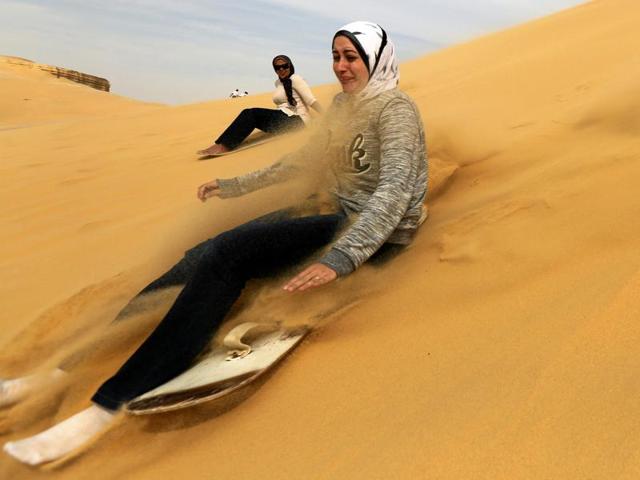
Wadi El Rayan in Egypt is a protected area in the Faiyum region of the country. A woman sandboards on the mountain in Wadi el-Rayan Fayoum. (REUTERS)
3/13
 View Photos in a new improved layout
Updated on Nov 28, 2016 5:55 PM
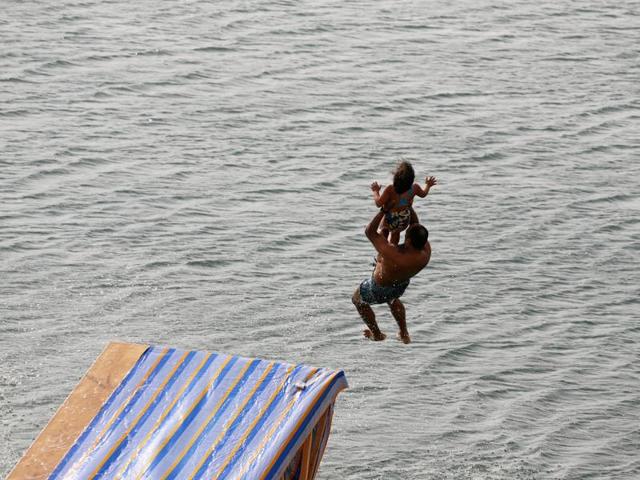
A man carrying his daughter slides down a ramp into the lake in Wadi el-Rayan Fayoum. (REUTERS)
4/13
 View Photos in a new improved layout
Updated on Nov 28, 2016 5:55 PM
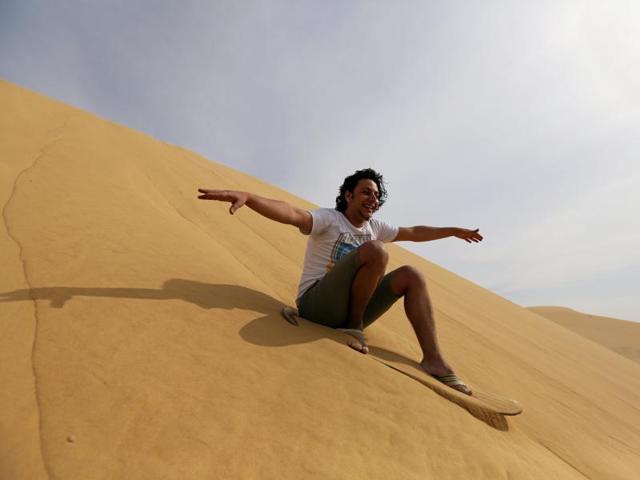
It falls under what is called the Egyptian Environmental Affairs Agency. A man sandboards... (REUTERS)
5/13
 View Photos in a new improved layout
Updated on Nov 28, 2016 5:55 PM
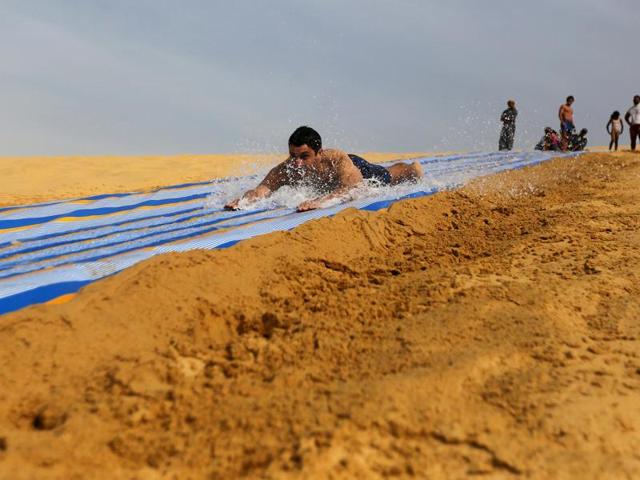
The place is also famous for its extensive mobile sand dunes. A man slides down a ramp leading up to the lake. (REUTERS)
6/13
 View Photos in a new improved layout
Updated on Nov 28, 2016 5:55 PM
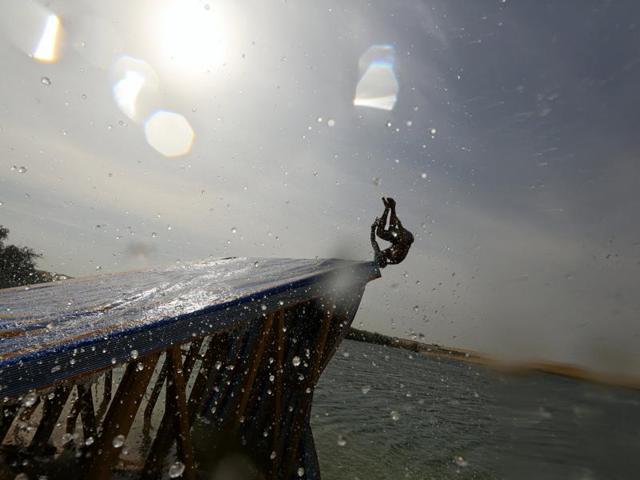
A man slides down a ramp into the lake. (REUTERS)
7/13
 View Photos in a new improved layout
Updated on Nov 28, 2016 5:55 PM
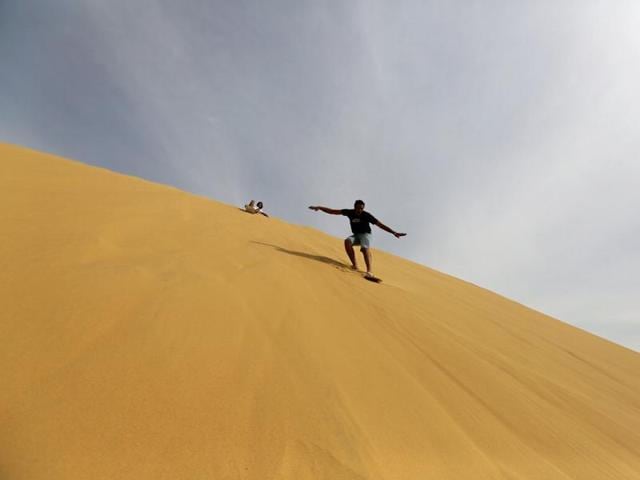
It is located about 65 kms from the city of Faiyum and about 80 kms west of river Nile. A man sandboards... (REUTERS)
8/13
 View Photos in a new improved layout
Updated on Nov 28, 2016 5:55 PM
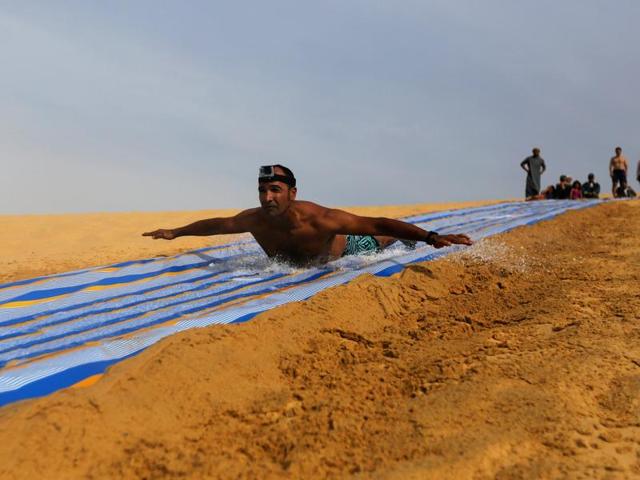
The lakes actually comprise two water bodies -- upper and lower lakes -- with waterfalls between the two. A man slides down a ramp into the lake. (REUTERS)
9/13
 View Photos in a new improved layout
Updated on Nov 28, 2016 5:55 PM
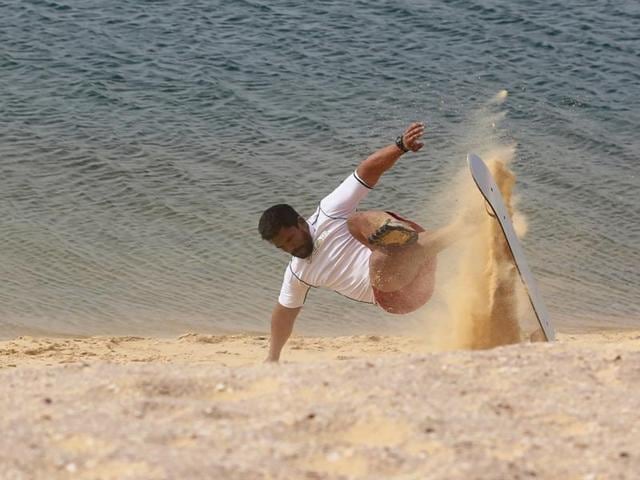
A man falls while sandboarding. (REUTERS)
10/13
 View Photos in a new improved layout
Updated on Nov 28, 2016 5:55 PM
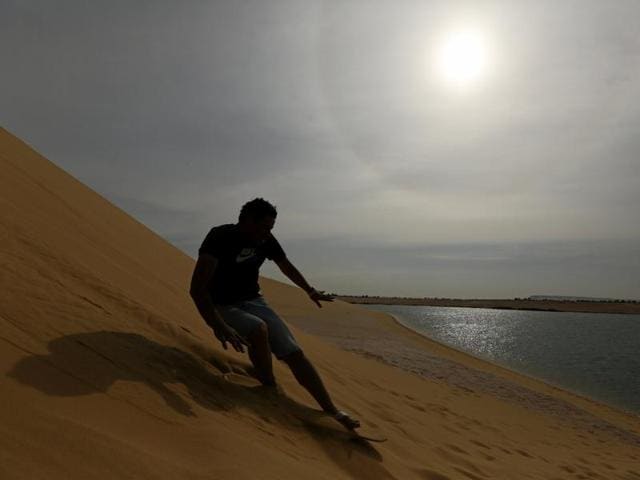
The water reserve also has three sulphur springs. (REUTERS)
11/13
 View Photos in a new improved layout
Updated on Nov 28, 2016 5:55 PM
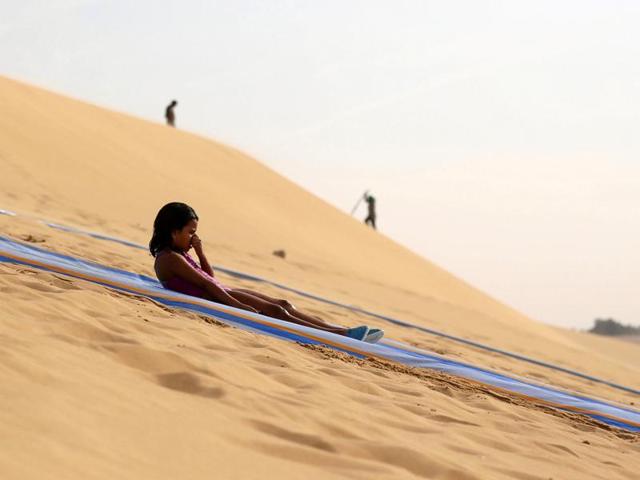
The waterfalls here are considered the largest waterfalls in Egypt. A girl slides down a ramp into the lake. (REUTERS)
12/13
 View Photos in a new improved layout
Updated on Nov 28, 2016 5:55 PM
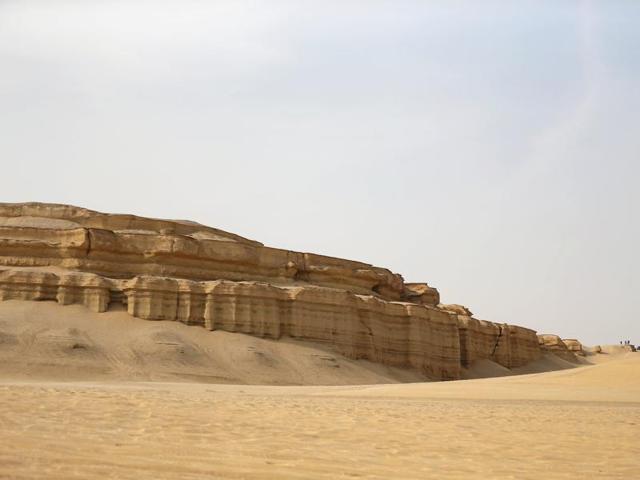
The reserve is home to the endangered slender-horned gazelle and the Dorcas gazelle. A man slides down a ramp into the lake. (REUTERS)
13/13
 View Photos in a new improved layout
Updated on Nov 28, 2016 5:55 PM


