
 E-Paper



Photos: A decade since Sichuan quake, residents relive trauma for tourists
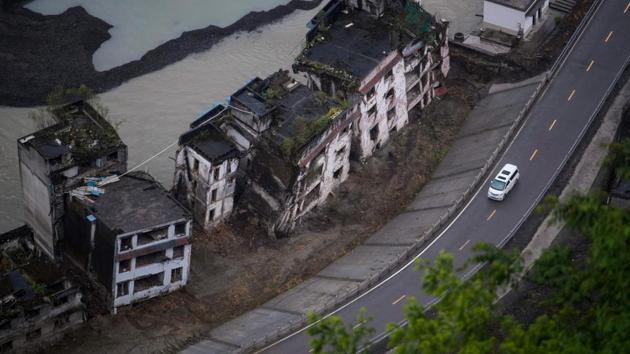
The city of Beichuan has been kept frozen in time since May 12, 2008, when a 8.0-magnitude earthquake killed 80,000 people across Sichuan province. Twenty guides relive their trauma for over 2.2 million tourists a year, shepherding them down the eerily quiet streets of the city that was the epicenter and through the rubble of their lives, as a reminder of life’s fleeting nature.
Updated on: May 10, 2018 10:00 AM IST

Share via


Copy link

1/11
 View Photos in a new improved layout
Updated on May 10, 2018 10:00 AM
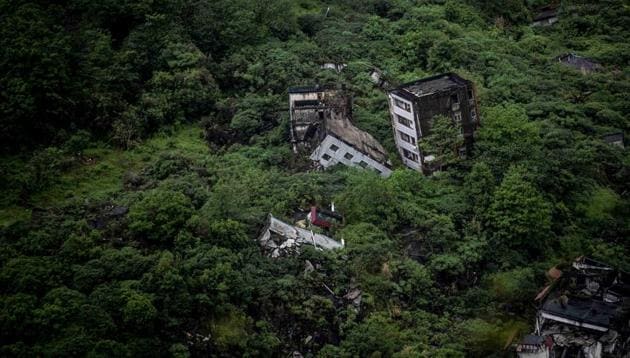
As China prepares for Saturday’s 10-year anniversary of the 2008 disaster when a 7.9-magnitude earthquake left 87,000 people dead or missing across Sichuan province, Chen Guoxing’s team of around 200 carry out the physically and emotionally draining work of preserving the wreckage in which an estimated 20,000 bodies may be entombed. (Johannes Eisele / AFP)
2/11
 View Photos in a new improved layout
Updated on May 10, 2018 10:00 AM
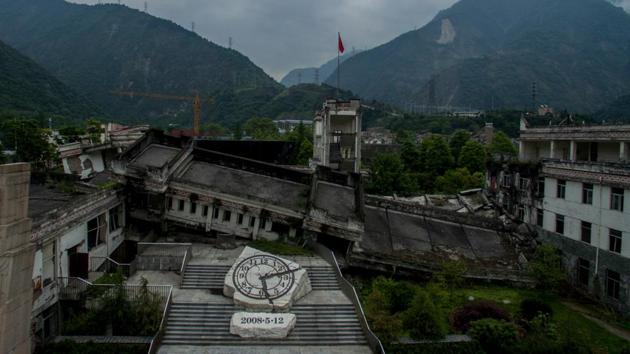
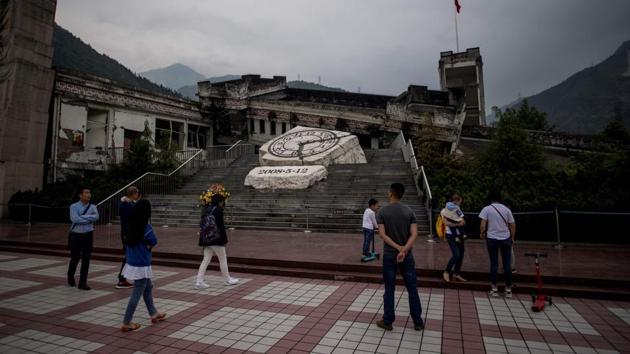
In the nearby town of Yingxiu is a giant clock stuck at the quake’s time and date. Twenty guides relive their trauma for over 2.2 million tourists a year, shepherding them down the eerily quiet streets and through the rubble of their lives. Many more work to protect remaining structures and piles of debris from the elements, as a reminder of life’s fleeting nature. (Johannes Eisele / AFP)
3/11
 View Photos in a new improved layout
Updated on May 10, 2018 10:00 AM
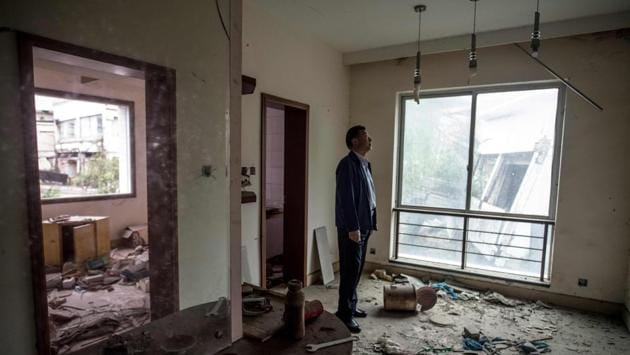
Chen Guoxing seen in a former teacher’s dormitory in Beichuan. For almost a decade, he has devoted himself to preserving a city of ghostly ruins, a massive open air memorial to the lives lost –including his son’s. He told AFP that the building was a time capsule, “family members had largely decided not to reclaim their possessions,” after residents died here. (Johannes Eisele / AFP)
4/11
 View Photos in a new improved layout
Updated on May 10, 2018 10:00 AM
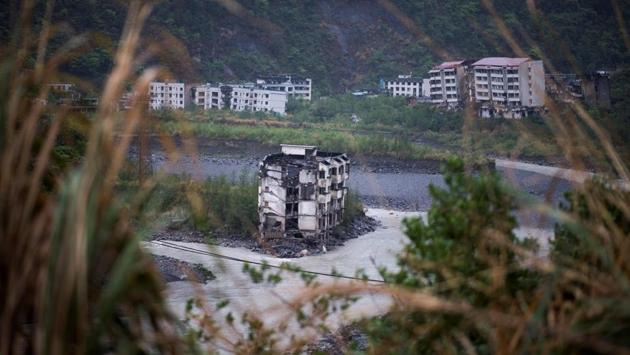
10 years on since the quake, the dilapidated buildings and the people that remain entombed in the ruins including Chen’s son who died when his middle school collapsed, stand in testimony to the calamity in Beichuan, the quake’s epicentre. On the eastern side of this city, a mass grave is home to some 3000 dead. (Johannes Eisele / AFP)
5/11
 View Photos in a new improved layout
Updated on May 10, 2018 10:00 AM
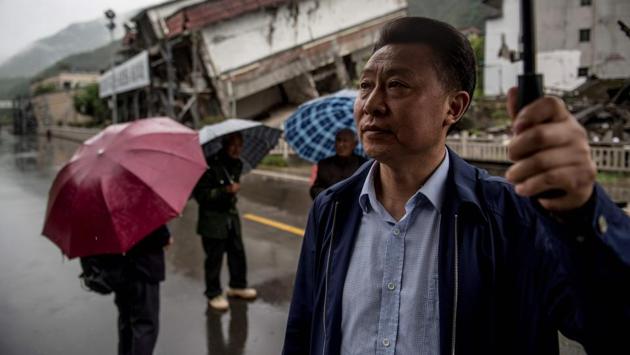
Chen (R) was working in a nearby village when the quake struck. More than 10 days later, he heard on the radio that his son had died. “It was like the sky had fallen,” he said. One hundred days after the quake, he caught a ride back to Beichuan on a military helicopter. He had lost eight relatives. Chen said he never saw his son’s body. “There was no time... our main responsibility was the rescue work.” (Johannes Eisele / AFP)
6/11
 View Photos in a new improved layout
Updated on May 10, 2018 10:00 AM
A pair of glasses in a classroom of the Vocational Education Centre in Beichuan. Tourists, walking down the buckled asphalt, stop to peer into piles of rubble and through windows into the chaos of abandoned apartments. (Johannes Eisele / AFP)
7/11
 View Photos in a new improved layout
Updated on May 10, 2018 10:00 AM
Since 2008, tourism has become the region’s largest industry with restaurants and hotels cashing in on the daily caravans of tour buses. Visitors tour the ruins -- there are no fees for entrance or guides -- and a nearby memorial hall, before heading to new Beichuan. The city and its residents are largely dependent on tourism, although speciality crops, such as cherries, have become an important business. (Johannes Eisele / AFP)
8/11
 View Photos in a new improved layout
Updated on May 10, 2018 10:00 AM
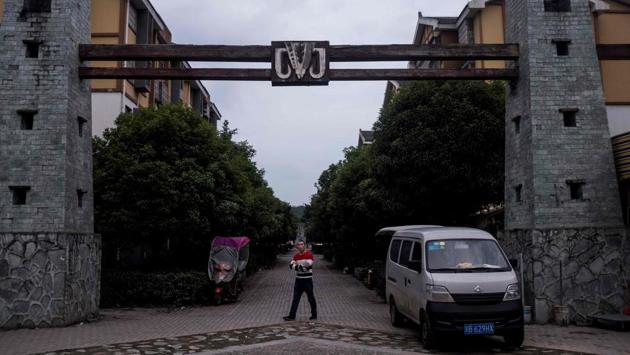
A view of a residential area in "new" Beichuan. Chen, along with many of Beichuan’s original residents moved here in the years after the earthquake, purchasing homes in neat apartment complexes built with government assistance. Some locals complain that visitors have declined in recent years, fretting about how they will survive in 10 or 20 years, when interest in the disaster inevitably wanes. (Johannes Eisele / AFP)
9/11
 View Photos in a new improved layout
Updated on May 10, 2018 10:00 AM
A 25-year-old guide, surnamed Ma standing next to a memorial site expressed concern about the region’s future. She and her co-workers spend their days standing on the highway, vying to flag down tourists on the way to the site. Ma said she would prefer not to be a guide but her family could not afford to send her to high school and this was the best job she could find. (Johannes Eisele / AFP)
10/11
 View Photos in a new improved layout
Updated on May 10, 2018 10:00 AM
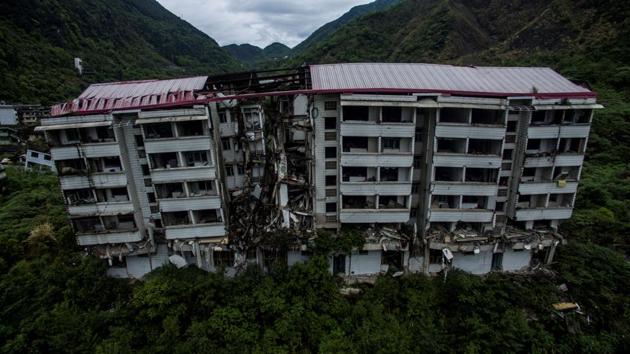
In addition to the emotional challenges, Beichuan’s preservation has faced financial and technical obstacles. “The main difficulty we’re facing is a financial problem,” Chen said, adding that rain, wind and corrosion could eventually lead to the complete collapse of many buildings. The project is the largest of its kind, Chen said, and the city spends over 20 million yuan ($3.1 million) a year on its upkeep. (Johannes Eisele / AFP)
11/11
 View Photos in a new improved layout
Updated on May 10, 2018 10:00 AM


