
 E-Paper



Photos: A wine ‘flying above the clouds’ in China’s Himalayas
The wine consumption is soaring in China, but it isn’t the first place one would probably think of when searching for quality wine. A French luxury giant Moet Hennessy has bet Ao Yun's vineyards which are at the foot of the Himalayas in China to show that the Asian country can produce a first-class bottle of red. It took four years for the company to find the ideal spot in the vast country and the result was Ao Yun, Chinese for "flying above the clouds", which debuted in 2013.
Updated on: Nov 13, 2018 1:12 PM IST

Share via


Copy link

1/10
 View Photos in a new improved layout
Updated on Nov 13, 2018 1:12 PM
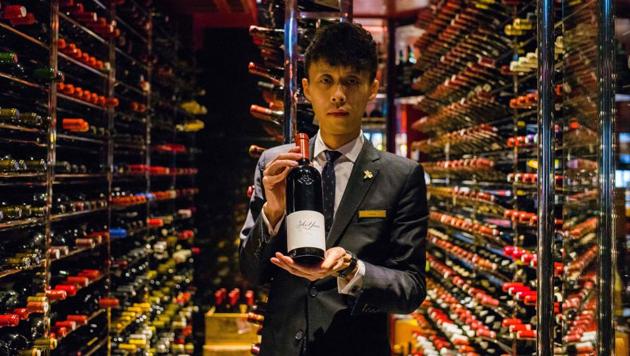
Assistant sommelier Felix Ho Ho Yua poses with a 2014 bottle of Ao Yun red wine at the Robuchon restaurant wine cellar in Hong Kong. A $300 bottle of wine sold in the United States and Europe is made in the unlikeliest of places, at the foot of the Himalayas in China. A stone’s throw away from Tibet, Ao Yun’s vineyards are located beneath the sacred Meili Mountain at altitudes ranging up from 2,200 metres in Yunnan. (Anthony Wallace / AFP)
2/10
 View Photos in a new improved layout
Updated on Nov 13, 2018 1:12 PM
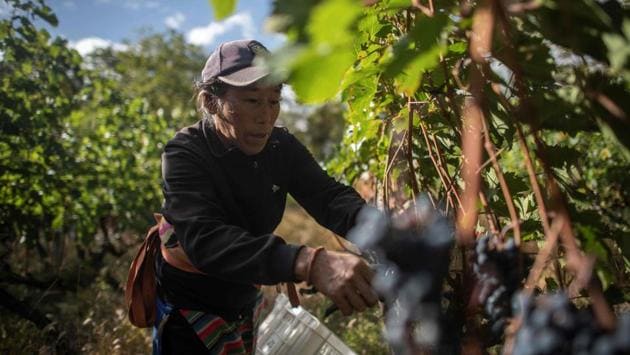
A farmer harvests grapes at the Ao Yun vineyards. While wine consumption is soaring in China, it is not known as a major producer, but French luxury giant Moet Hennessy has bet on this remote location to show the Asian country can produce a first-class bottle of red. It took four years for the company to find the ideal spot and the result was Ao Yun, Chinese for “flying above the clouds”, which debuted in 2013. (Fred Dufour / AFP)
3/10
 View Photos in a new improved layout
Updated on Nov 13, 2018 1:12 PM
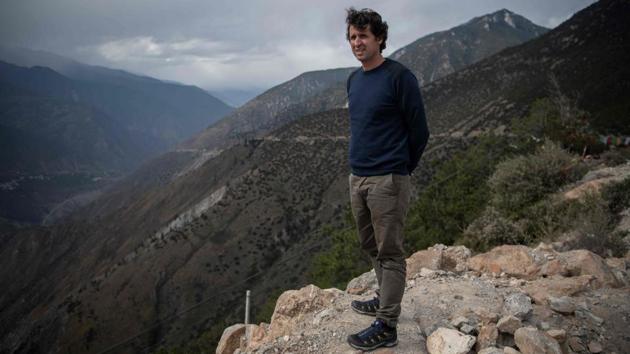
Maxence Dulou, 43, Ao Yun’s estate manager, poses on the premises with a view of the valley located beneath the Meili mountain. “The place is magical, it has this wild side,” Dulou told AFP. He added that he had “dreamed” of discovering a great “terroir” -- the unique French term for the ground and climatic conditions in which grapes are grown -- in China since his university. (Fred Dufour / AFP)
4/10
 View Photos in a new improved layout
Updated on Nov 13, 2018 1:12 PM
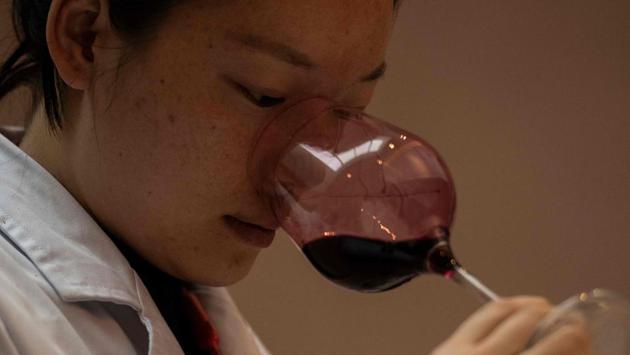
A sommelier samples wine at the Ao Yun vineyards. The smooth full-bodied blend of Cabernet Sauvignon and Cabernet Franc has surprised many wine lovers. Only 2,000 cases are produced per year and are sold in China, other Asian countries, the United States and Europe. (Fred Dufour / AFP)
5/10
 View Photos in a new improved layout
Updated on Nov 13, 2018 1:12 PM
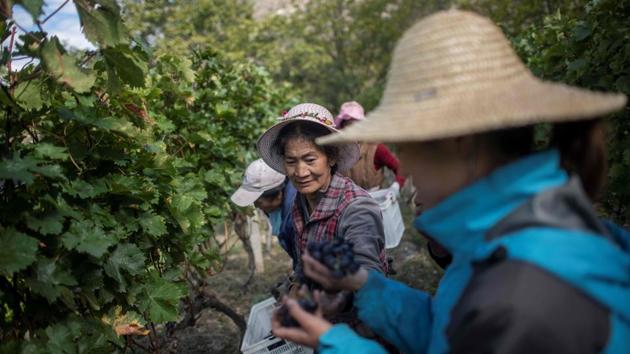
Moet Hennessy leased the vineyards for 30 years from local farmers in 2012 -- a decade after the municipal government encouraged villagers to switch from growing barley to grapevines in an attempt to kick-start the wine industry. But without proper knowledge or training, they floundered until the luxury giant turned up, bringing a wealth of expertise and resources to four villages: Adong, Shuori, Sinong and Xidang. (Fred Dufour / AFP)
6/10
 View Photos in a new improved layout
Updated on Nov 13, 2018 1:12 PM
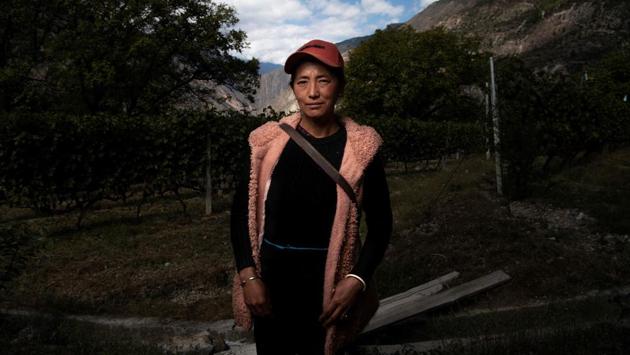
A farmer poses during the harvest at the Ao Yun vineyards. These vineyards are situated in the middle of the Mekong, Yangtze and Salween rivers, a unique location which boasts moderate temperatures all year round so the vines do not need to be buried to prevent them from freezing in the winter. (Fred Dufour / AFP)
7/10
 View Photos in a new improved layout
Updated on Nov 13, 2018 1:12 PM
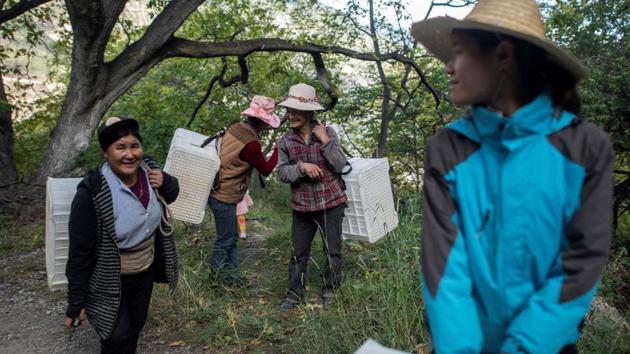
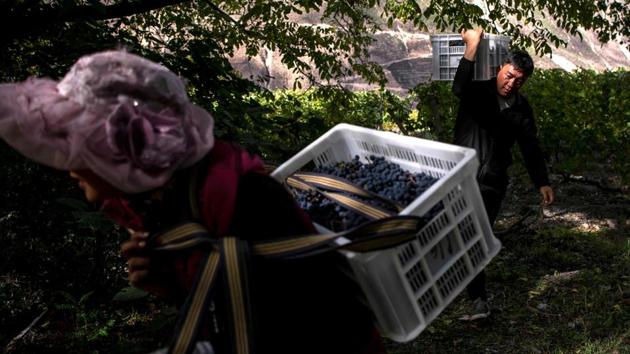
Farmers prepare for the harvest at the Ao Yun vineyards. The property is divided into more than 300 small parcels spread over 28 hectares and grapes are harvested by hand, requiring four times more work hours on average than the biggest vineyards in the world. (Fred Dufour / AFP)
8/10
 View Photos in a new improved layout
Updated on Nov 13, 2018 1:12 PM
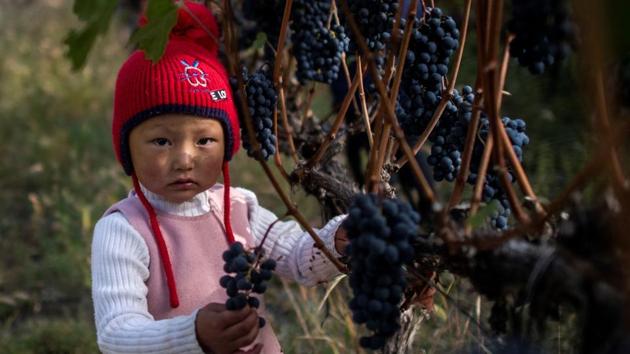
A child stands besides a grapevine while her mother (not pictured) harvests grapes at the vineyards. For villagers, who leased out their land and has family members working on the vineyard, the transformation of the farms that once grew basic crops into bustling, profitable businesses was a godsend. Dulou attributes the wine’s success to the collaboration between East and West. (Fred Dufour / AFP)
9/10
 View Photos in a new improved layout
Updated on Nov 13, 2018 1:12 PM
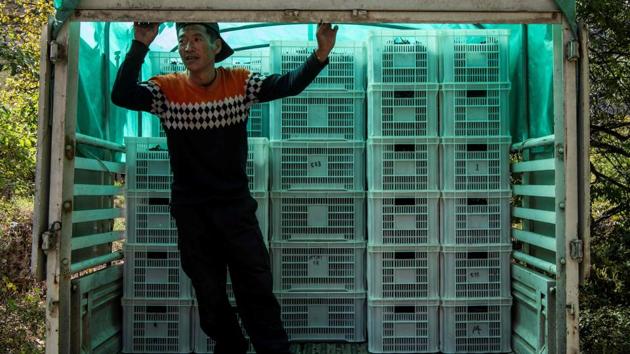
A farmer waits to load crates of harvested grapes. “The Chinese are very creative and they are not afraid of change and that’s extraordinary because you can be the most creative in the world, but if you are afraid of change there is no creativity,” the viniculturist said. China’s appetite for wine has matured over the last 10 years, led by its burgeoning middle class. The country is set to become the world’s second largest wine consumer by 2021. (Fred Dufour / AFP)
10/10
 View Photos in a new improved layout
Updated on Nov 13, 2018 1:12 PM


