
 E-Paper



Photos: Canada’s pot artisans go high end in race against the ‘suits’
In Canada, the first major industrialized country to legalize recreational pot, the remote British Columbia region illustrates the opportunities and challenges facing cannabis artisans: Can they develop their industry without selling out to the Toronto "suits" who increasingly dominate the trade? In October, Canada’s legalization gave it an edge over the US, where pot is permitted in 10 states and the District of Columbia for recreational use while the federal government still outlaws it. Some 149 pot companies valued at about C$52 billion have already listed on Canadian stock exchanges.
Updated on: Dec 06, 2018 9:59 AM IST

Share via


Copy link

1/14
 View Photos in a new improved layout
Updated on Dec 06, 2018 9:59 AM
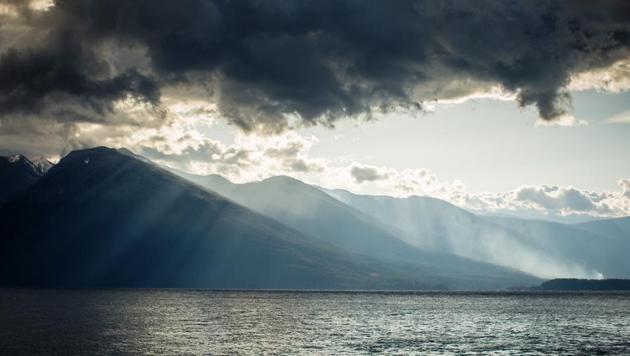
A 35-minute ferry ride across the impossibly clear glacial waters of British Columbia’s Kootenay Lake in Canada, brings one to the East Shore. For generations, lush tracts of marijuana have flourished here along the abandoned logging roads that snake through its craggy mountains. (Ben Nelms / Bloomberg)
2/14
 View Photos in a new improved layout
Updated on Dec 06, 2018 9:59 AM
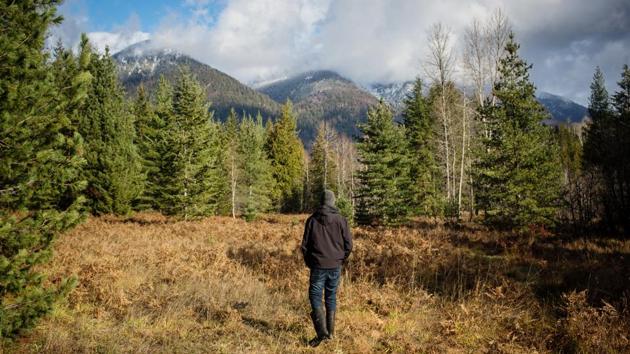
Not long ago, police would rappel down helicopters to hack away and pour bleach on the illicit crop. Kevin McBride, a rugged 51-year-old, can recall those inevitable autumn raids. These days, McBride reaps the region’s most prized harvest, the Moet & Chandon Champagne of pot. Connoisseurs in Amsterdam coffee shops pay as much as 25 euros a gram ($805 an ounce) for the best strains. (Ben Nelms / Bloomberg)
3/14
 View Photos in a new improved layout
Updated on Dec 06, 2018 9:59 AM
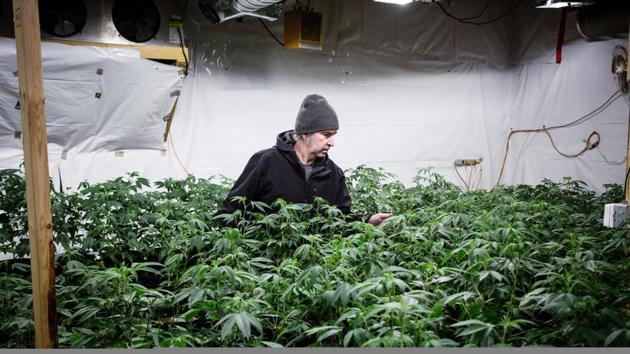
Kevin McBride, owner of Kootenay’s Finest craft cannabis, inspects plants at his grow operation near Crawford Bay. Most artisans now raise their weed indoors. A legal grower with a medical license, McBride works out of the basement of his garage after learning the craft from a “crazy old uncle” and other doyens of what is known as “BC Bud.” (Ben Nelms / Bloomberg)
4/14
 View Photos in a new improved layout
Updated on Dec 06, 2018 9:59 AM
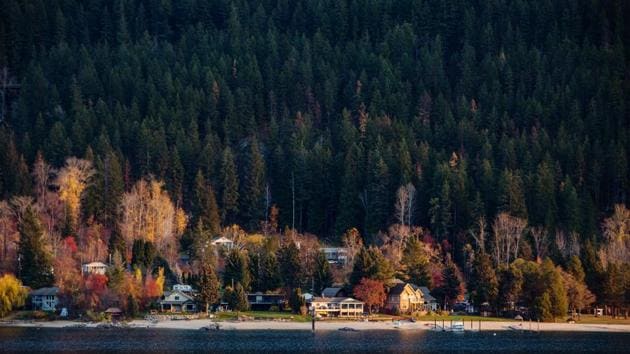
With stunning valleys ringed by snow-capped peaks and a relaxed outdoorsy vibe, the Kootenay region already draws visitors. It’s easy to imagine tasting tours featuring pot sommeliers who offer guidance on the subtleties of the region’s brands. “For us not to brand what we have here is ludicrous,” says McBride. (Ben Nelms / Bloomberg)
5/14
 View Photos in a new improved layout
Updated on Dec 06, 2018 9:59 AM
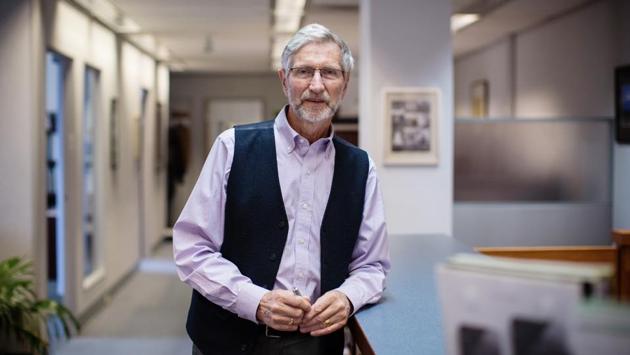
In Nelson, a town of 10,000 whose streets are lined with Victorian houses, the joke is that every second house is already a craft player. “I’ve completely underestimated the potential of the industry, as many people have,” says John Dooley, Nelson’s mayor, who opposed cannabis until legalization day. (Ben Nelms / Bloomberg)
6/14
 View Photos in a new improved layout
Updated on Dec 06, 2018 9:59 AM
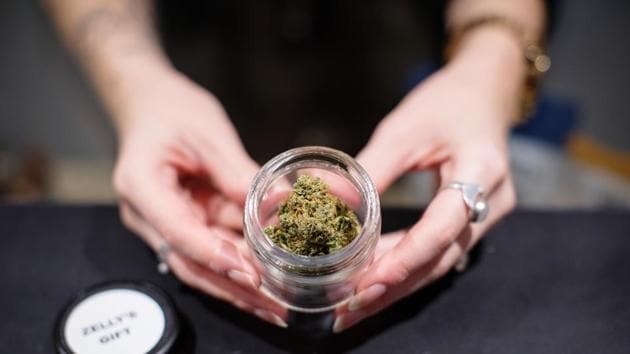
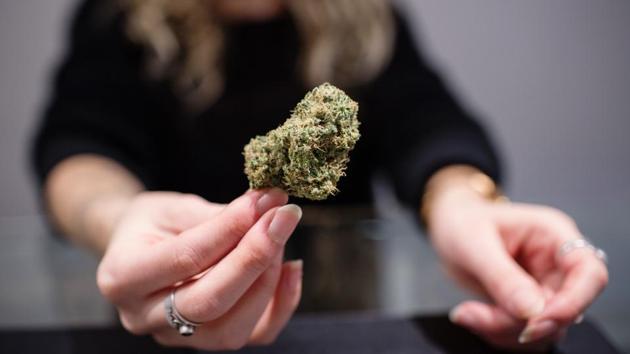
A salesperson displays a jar of cannabis at the Potorium dispensary. Once a silver mining outpost, then a logging centre, the region has long been a place of refuge, settled by Russians fleeing the czars, pacifist Quakers, and Japanese Canadians from World War II prison camps. Hippies and Vietnam War draft dodgers trickled in during the 1960s. They discovered a land supremely suited to marijuana. (Ben Nelms / Bloomberg)
7/14
 View Photos in a new improved layout
Updated on Dec 06, 2018 9:59 AM
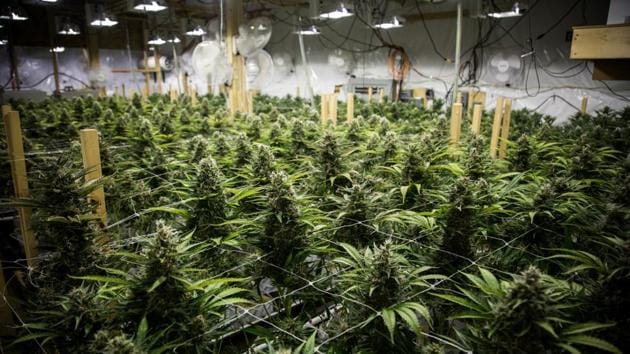
The Kootenays’ wet springs nurture the plants, dry intense summers kill the mould and cool autumns concentrate the essential oils known as terpenes that give weed its flavour and smell. Today, the region produces some 25,000 kgs a year, enough for 50 million joints. It could amount to an eighth of Canada’s expected annual production in legalization’s first year. Or, at least, that’s David Robinson’s estimate. (Ben Nelms / Bloomberg)
8/14
 View Photos in a new improved layout
Updated on Dec 06, 2018 9:59 AM
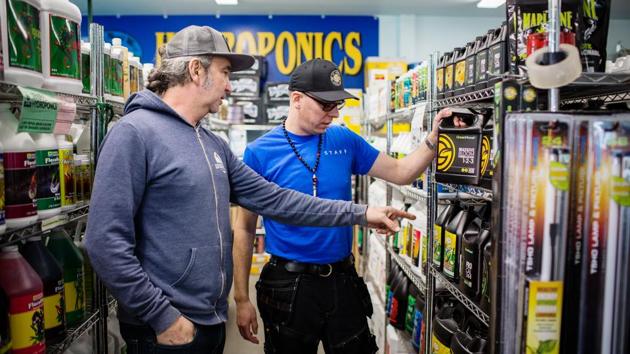
For 15 years, Robinson (R) has been selling hydroponic equipment from one of the province’s biggest retailers of pot paraphernalia. Known as the “Garden Sage” for his must-read grower’s handbook, he says the opportunity is there for the taking. “Everyone’s talking the Canadian market right now, but I’m thinking about the world — think of coffee, think of tea. This could be huge.” (Ben Nelms / Bloomberg)
9/14
 View Photos in a new improved layout
Updated on Dec 06, 2018 9:59 AM
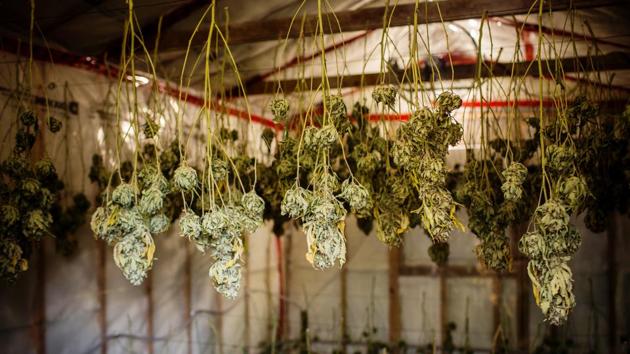
Craft cannabis is an art and a science. In a humid shed nestled west of Nelson, Paradise Valley Botanics has been growing pot under Canada’s medical program for more than a decade and a half. The owner cultivates in small batches. Harvests are slow-cured, like slabs of pork. For two weeks, the plants hang upside down, concentrating the terpenes into the flower. (Ben Nelms / Bloomberg)
10/14
 View Photos in a new improved layout
Updated on Dec 06, 2018 9:59 AM
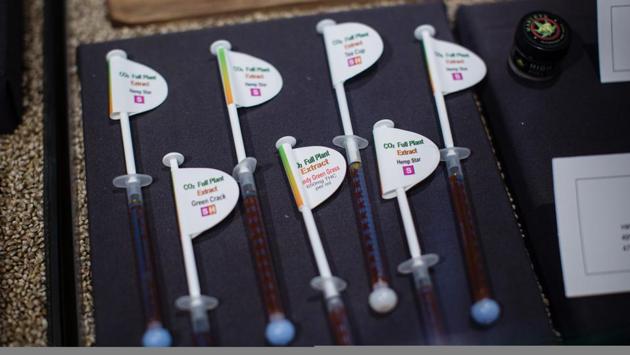
Cannabis extract displayed at the Potorium dispensary. The true genius lies in manipulating plant genetics. Artisans select and cross-breed specimens to achieve a certain scent, colour, potency or yield. A varietal called Blood Orange, for example, has the tang of freshly peeled citrus. Another produces flowers with vibrant fuchsia specks. Indica plants, like a full-bodied shiraz, offer a heavier, mellow buzz. (Ben Nelms / Bloomberg)
11/14
 View Photos in a new improved layout
Updated on Dec 06, 2018 9:59 AM
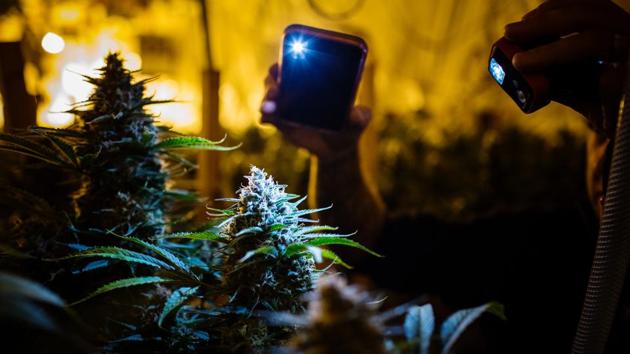
Small-time growers face high hurdles. In contrast, the biggest licensed producers take a factory-style approach in greenhouses as big as 22 football fields. Water, light and temperature are automatically controlled, the product sterilized with gamma rays. “People here are freaking out that their livelihoods are being taken away by Bay Street suits,” says Robinson, referring to Canada’s financial industry in Toronto. (Ben Nelms / Bloomberg)
12/14
 View Photos in a new improved layout
Updated on Dec 06, 2018 9:59 AM
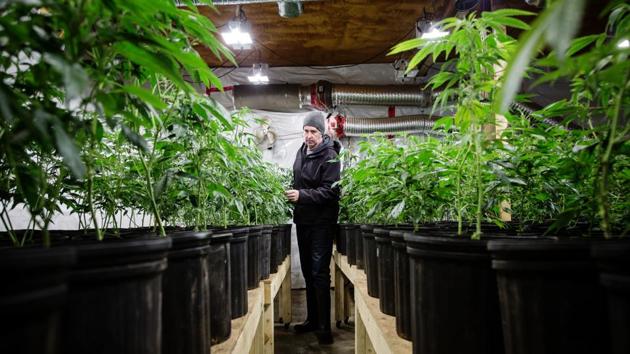
To comply with municipal regulations, McBride, the medical grower, had to buy a new 60-acre plot. There, rather than expand his existing shed, he has to build a structure ringed with a 30-meter buffer. That rule alone will probably bar most craft growers in the area from legalizing their current operations, he says. (Ben Nelms / Bloomberg)
13/14
 View Photos in a new improved layout
Updated on Dec 06, 2018 9:59 AM
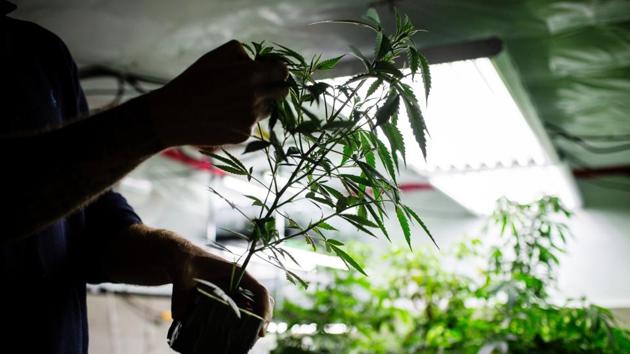
A grower inspects a cannabis plant at a craft operation. McBride expects to spend more than C$1.3 million on the property, constructing a new building and meeting other standards such as installing chain-link fences and bar coding for every plant. Money is scarce. Many banks still shy away from lending to marijuana companies. (Ben Nelms / Bloomberg)
14/14
 View Photos in a new improved layout
Updated on Dec 06, 2018 9:59 AM


