
 E-Paper



Photos: China’s ageing elite live golden years in style
At a gated community for Chinese senior citizens, retired military personnel, film-makers and top university professors settle into a new routine: ballet lessons, weightlifting and catered dining. As China's population ages rapidly and the one-child policy left parents with only a single child to help them in their old age, the upper crust of Chinese society are spending the last years of their lives in luxury.
Updated on: Jan 24, 2019 10:55 AM IST

Share via


Copy link

1/11
 View Photos in a new improved layout
Updated on Jan 24, 2019 10:55 AM
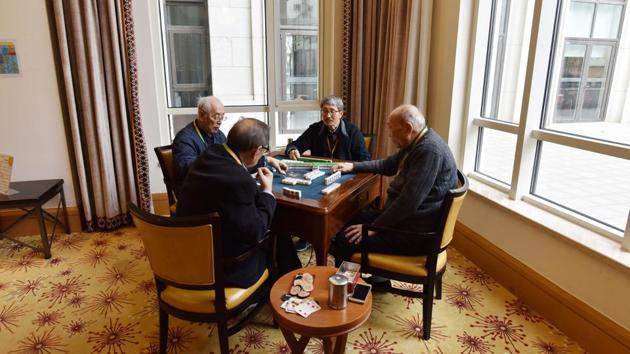
Residents play mahjong in a recreation area at the Yanyuan community for senior citizens, on the outskirts of Beijing. A grand piano backlit by floor-to-ceiling windows stands in the community’s clubhouse living room. Brightly coloured artworks commissioned from Israeli artist David Gerstein adorn public spaces. (Greg Baker / AFP)
2/11
 View Photos in a new improved layout
Updated on Jan 24, 2019 10:55 AM
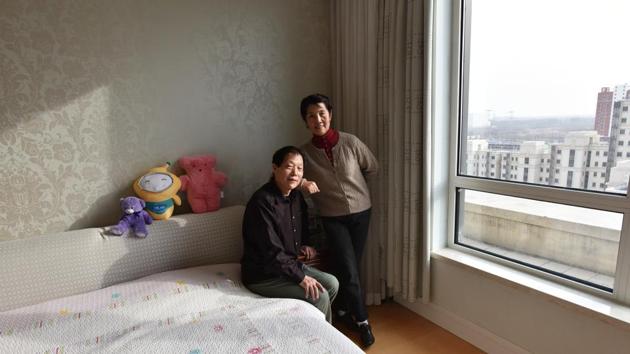
“This is our home now,” said Li Ying (R), a 71-year-old resident who spent more than 30 years in the military. “Special circumstances notwithstanding, we are prepared to live here until the end.” Institutions like Yanyuan, which boasts an on-site hospital and on-call staff, are still few in China, but are part of a growing industry as the country races to develop elderly care support for its population of seniors. (Greg Baker / AFP)
3/11
 View Photos in a new improved layout
Updated on Jan 24, 2019 10:55 AM
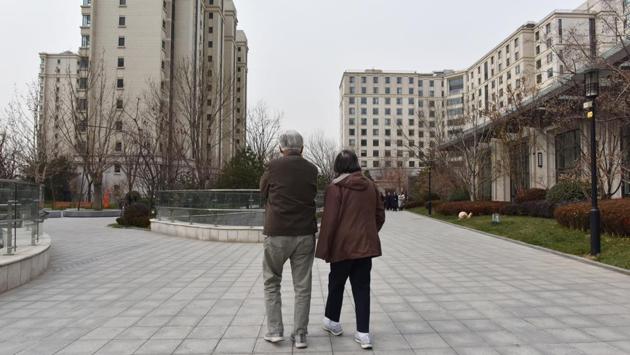
In the past, parents could count on their children for care in their twilight years under Chinese traditions of filial piety. But as China reckons with its one-child policy, which was aimed at curbing population growth, Chinese couples are now burdened with raising their own children while supporting both sets of parents -- without the help of siblings. (Greg Baker / AFP)
4/11
 View Photos in a new improved layout
Updated on Jan 24, 2019 10:55 AM
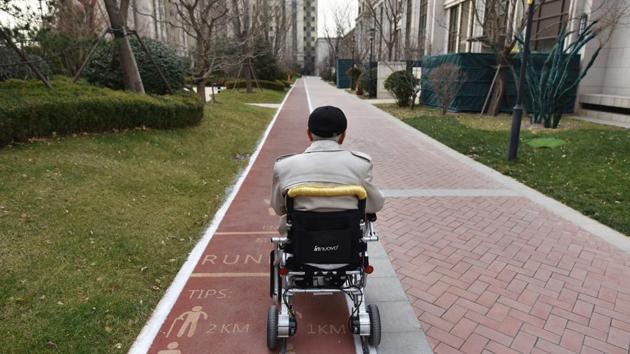
A resident makes his way back to his apartment in an electric wheelchair. “The idea that children should take care of their ageing parents is an old logic spanning thousands of years,” explained Li. “As society develops, this is changing.” (Greg Baker / AFP)
5/11
 View Photos in a new improved layout
Updated on Jan 24, 2019 10:55 AM
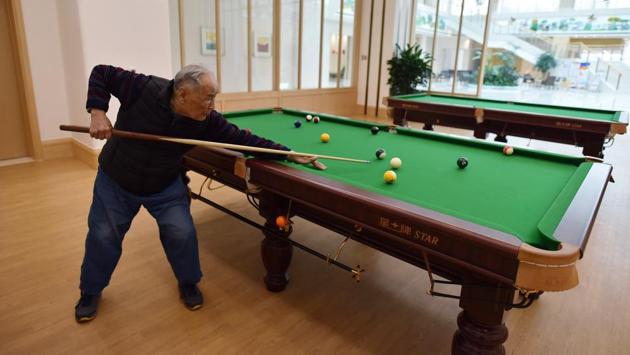
A resident plays pool in a recreation area at the Yanyuan community. The push to grow China’s elderly care capacity has encouraged more private companies, from real estate developers to insurance firms, to seize on business opportunities in the industry, such as nursing homes where residents enjoy five-star accommodations and professional medical support. (Greg Baker / AFP)
6/11
 View Photos in a new improved layout
Updated on Jan 24, 2019 10:55 AM
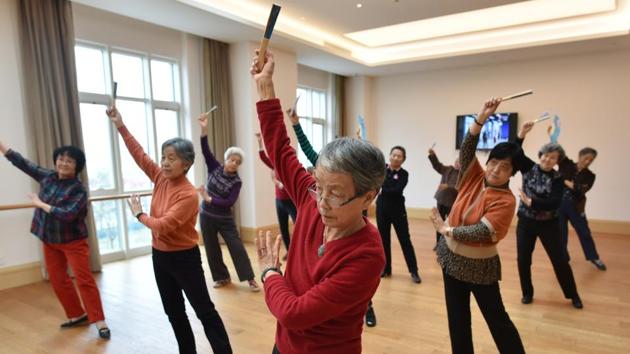
Residents taking a dance class. At Yanyuan, which is run by insurance giant Taikang, residents can either buy into the company’s two million yuan ($290,000) pension plan or make a down payment of one to two million yuan ($145,000 to $290,000) on top of monthly living expenses of at least 6,000 yuan ($870), not including the food budget. (Greg Baker / AFP)
7/11
 View Photos in a new improved layout
Updated on Jan 24, 2019 10:55 AM
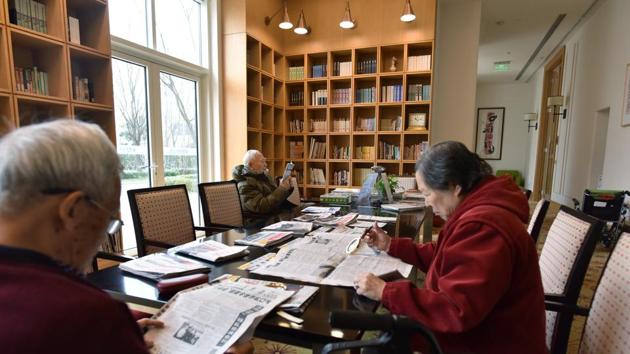
“Whether or not China’s elderly care industry can satisfy the needs of rapidly ageing populace depends on who is paying for it,” said Chen Youhua, a professor at Nanjing University who has studied the industry. If paid for privately, there could be an overabundance, but “if it’s the government or society who pays... then the current elderly care services industry cannot satisfy such needs.” (Greg Baker / AFP)
8/11
 View Photos in a new improved layout
Updated on Jan 24, 2019 10:55 AM
Residents lining up for lunch at the Yanyuan community for senior citizens, on the outskirts of Beijing. Some industry experts are wary that private firms will focus on providing lavish retirement villages for long-term residency, rather than creating last-mile nursing homes for those who cannot take care of themselves. (Greg Baker / AFP)
9/11
 View Photos in a new improved layout
Updated on Jan 24, 2019 10:55 AM
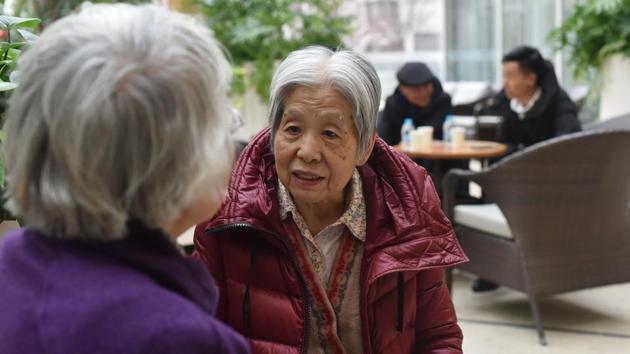
Vivian Lou, an associate professor at the University of Hong Kong, suggested healthy 60-year olds could enter such villages, and remain there for 20 years, during which time no one else could take their spot. “This then becomes a housing solution,” she explained. Still, for residents at Yanyuan, socialising with peers -- and simply not being alone -- is one of the greatest benefits of staying in the retirement community. (Greg Baker / AFP)
10/11
 View Photos in a new improved layout
Updated on Jan 24, 2019 10:55 AM
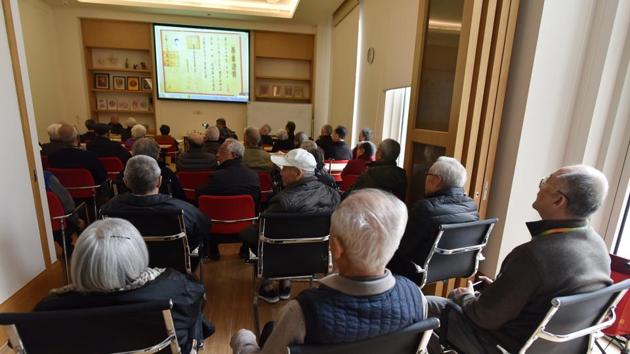
Residents attend a class about China's oil industry. In the past, the entire family lived together, “joyous and harmonious,” said Ge Ming, who heads operations at Yanyuan. “But over the course of urbanisation, the (family) structure has changed”. Young workers from all over China migrate in search of higher wages and opportunities -- they are no longer home to care for their parents or grandparents. (Greg Baker / AFP)
11/11
 View Photos in a new improved layout
Updated on Jan 24, 2019 10:55 AM


