
 E-Paper



Photos: Disputed Western Sahara becomes kitesurfing hotspot
In Western Sahara, a former garrison town has become an unlikely tourist magnet after kitesurfers discovered the windswept desert coast was perfect for their sport. In Dakhla, an Atlantic seaport town punctuated with military buildings in Morocco-administered Western Sahara, swarms of kitesurfers now sail in the lagoon daily. However, with the influx of tourists, the protection of the environment has become a major concern.
Updated on: Nov 20, 2019 10:25 AM IST


Share via


Copy link

1/8
 View Photos in a new improved layout
Updated on Nov 20, 2019 10:25 AM
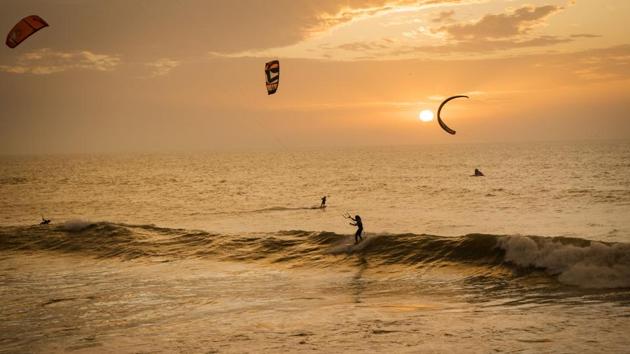
Kitesurfers riding at sunset at Dakhla beach in Western Sahara. In the heart of disputed Western Sahara, a former garrison town has become an unlikely tourist magnet after kitesurfers discovered the windswept desert coast was perfect for their sport. In Dakhla, an Atlantic seaport town punctuated with military buildings in Western Sahara, swarms of kitesurfers now sail in the lagoon daily. (FADEL SENNA / AFP)
2/8
 View Photos in a new improved layout
Updated on Nov 20, 2019 10:25 AM
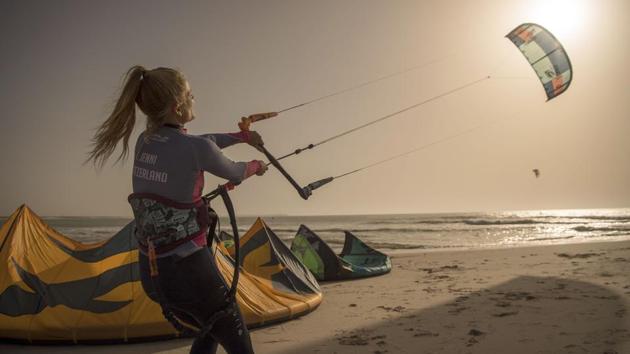
A kitesurfer maneuvering her kite at Dakhla beach. “Here there is nothing other than sun, wind and waves. We turned the adversity of the elements to our advantage: that’s the very principle of kitesurfing,” said Rachid Roussafi. After an international career in windsurfing and kitesurfing, Roussafi founded the first tourist camp at the lagoon at the start of the 2000s. “At the time, a single flight a week landed in Dakhla.” (FADEL SENNA / AFP)
3/8
 View Photos in a new improved layout
Updated on Nov 20, 2019 10:25 AM
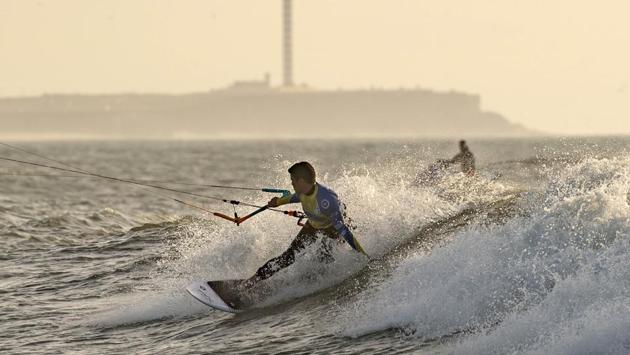
Tourist numbers have jumped from 25,000 in 2010 to 100,000 today. The former Spanish garrison is booming today with the visitor influx adding to fishing and trade revenue. Kitesurfing requires pricey gear -- including a board, harness and kite -- and the niche tourism spot attracts well-off visitors of all nationalities. (FADEL SENNA / AFP)
4/8
 View Photos in a new improved layout
Updated on Nov 20, 2019 10:25 AM
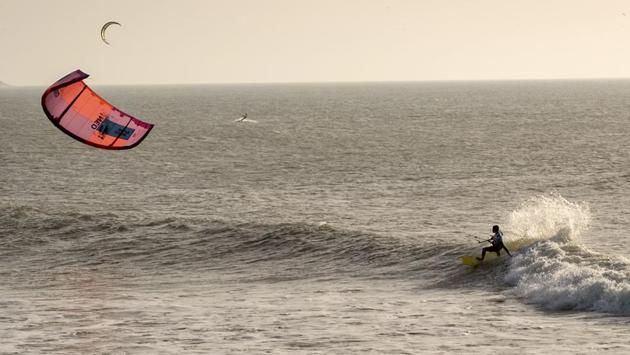
A kitesurfers seen at Dakhla beach. Only the names of certain sites, like PK 25 (kilometre point 25), ruined forts in the dunes and the imposing and still in-use military buildings in Dakhla, remind tourists of the region’s history of conflict. In the 1970s, Morocco annexed Western Sahara, a former Spanish colony, and fought a war with the Algeria-backed Polisario Front from 1975 to 1991, when a ceasefire deal was agreed. (FADEL SENNA / AFP)
5/8
 View Photos in a new improved layout
Updated on Nov 20, 2019 10:25 AM
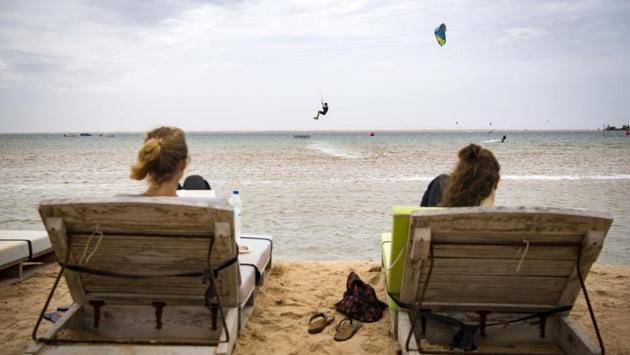
Tourists watch kitesurfers at Dakhla beach. A United Nations mission was deployed to monitor the truce and prepare a referendum on Western Sahara’s independence from Morocco, but it never materialized. Without waiting for the political compromise that the UN has been negotiating for decades, hotels have sprouted from the sand along the coast, and rows of streetlights on vacant lots announce future subdivisions. (FADEL SENNA / AFP)
6/8
 View Photos in a new improved layout
Updated on Nov 20, 2019 10:25 AM
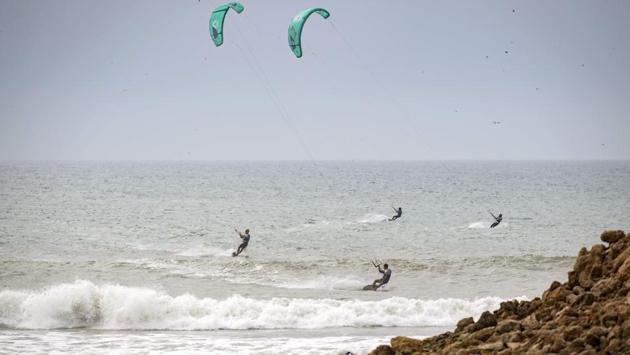
“The secret to success is to develop kitesurfing with good communication focused on the organisation of non-political events,” said Driss Senoussi, head of the Dakhla Attitude hotel group. Moroccan authorities are looking actively for investors for their development projects on the west coast, the most ambitious being the Dakhla Atlantique megaport with a budget of about $1 billion to promote fishing. (FADEL SENNA / AFP)
7/8
 View Photos in a new improved layout
Updated on Nov 20, 2019 10:25 AM
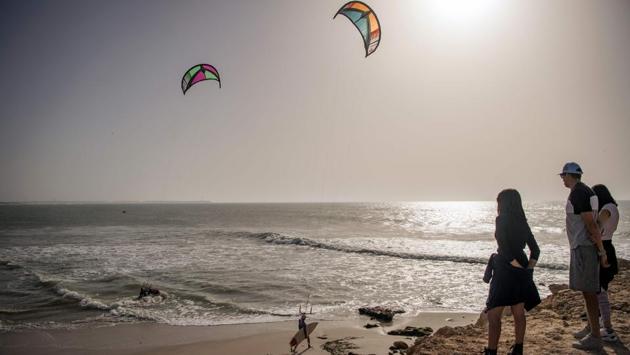
On the lagoon, surrounded by white sand and with its holiday bungalows, “there is a struggle between developing aquaculture and tourism,” said a senior regional representative, who spoke on condition of anonymity. “One has less impact on the environment, but the other generates more revenue and jobs,” said the representative, adding that “pressure from real estate investors is very high.” (FADEL SENNA / AFP)
8/8
 View Photos in a new improved layout
Updated on Nov 20, 2019 10:25 AM


