
 E-Paper



Photos: Garbage crisis brings cholera to Yemen’s historic Taez
Yemen, the poorest country in the Arabian Peninsula, has been mired in conflict since the Iran-aligned Huthi rebels swept into the capital Sanaa in a 2014 offensive, sparking a military intervention by a Saudi-led coalition. While all of Yemen has suffered from the war, its historic city Taez is fighting against the garbage crisis that has led to many diseases including cholera. Barely any schools are able to function, fresh water is scarce, and it is difficult to bring in supplies including essentials like food.
Updated on: Nov 6, 2019 9:45 AM IST


Share via


Copy link

1/7
 View Photos in a new improved layout
Updated on Nov 6, 2019 9:45 AM
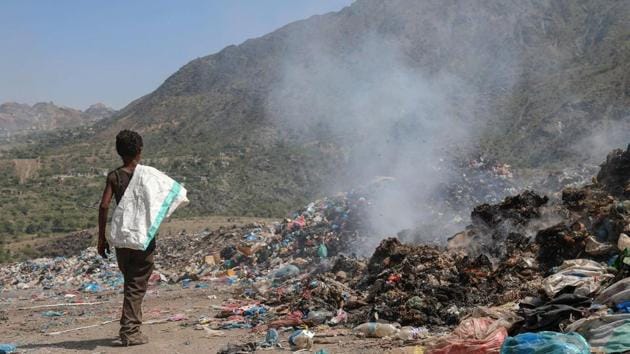
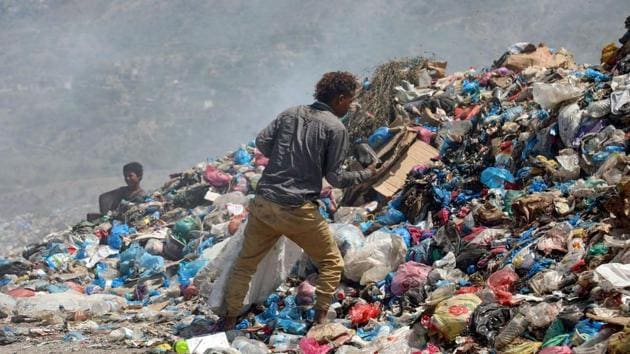
A Yemeni youth walks away carrying a bag to fill with material picked at a large garbage dump in the third-largest city Taez in southwestern Yemen. Mounds of stinking garbage line the streets of Yemen’s historic city of Taez, once renowned as one of the most beautiful places in the country, but now torn apart by war. The city in the highlands of southwestern Yemen has become a breeding ground for mosquitoes as well as deadly outbreaks of diseases like cholera, as decaying refuse leaches into waterways. (AHMAD AL-BASHA / AFP)
2/7
 View Photos in a new improved layout
Updated on Nov 6, 2019 9:45 AM
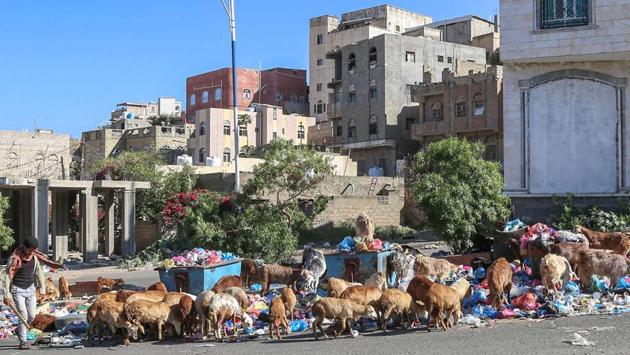
Yemen, long the poorest country in the Arabian Peninsula, has been mired in conflict since the Iran-aligned Huthi rebels swept into the capital Sanaa in a 2014 offensive, sparking a military intervention by a Saudi-led coalition. While Taez is controlled by pro-government forces, it is under siege from the Huthis who control the mountains that surround the city, from where they have launched repeated bombardments. (AHMAD AL-BASHA / AFP)
3/7
 View Photos in a new improved layout
Updated on Nov 6, 2019 9:45 AM
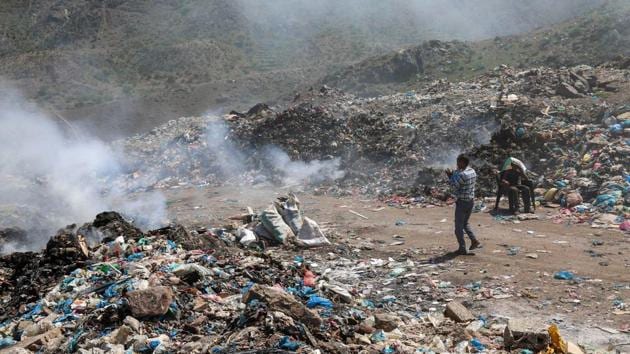
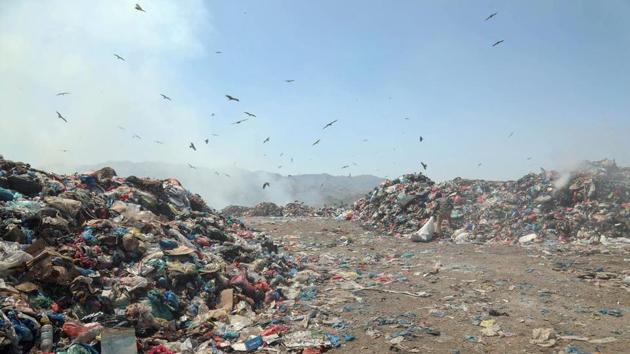
Yemeni youths collect material from a smouldering garbage dump. While all of Yemen has suffered from the war, Taez is particularly hard-hit. Barely any schools are able to function, fresh water is scarce, and it is difficult to bring in supplies including essentials like food. Trapped within the city limits, Taez’s more than 600,000 people are suffering as garbage mounts up, choking roads and canals. (AHMAD AL-BASHA / AFP)
4/7
 View Photos in a new improved layout
Updated on Nov 6, 2019 9:45 AM
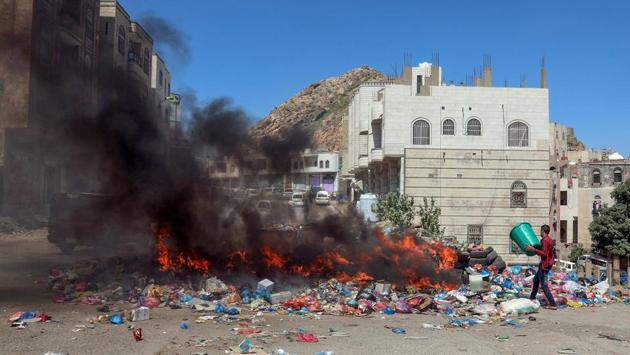
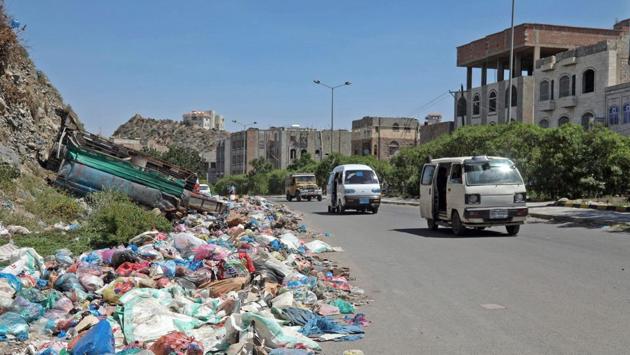
A Yemeni man disposes of rubbish at a garbage dump on a main street. Cholera, which can kill within hours if left untreated, reappeared in Yemen in April after an initial outbreak in October 2016. The World Health Organization said that 304 people died of the disease between April 2017 and August 2019 in Taez, with cases fluctuating from week to week. (AHMAD AL-BASHA / AFP)
5/7
 View Photos in a new improved layout
Updated on Nov 6, 2019 9:45 AM
Yemeni youths pick material from a garbage dump. Damage to sewage systems, the electricity grid and piping have left Yemen’s water supplies vulnerable to contamination. Mohammed Mkharesh, deputy director of the general hospital, said the accumulation of garbage on the streets of Taez and other nearby cities has had a direct impact on people’s health. “This is paving the way for cholera, dengue and malaria,” he said, adding that hospitals are “under pressure with the increase of cases and lack of resources”. (AHMAD AL-BASHA / AFP)
6/7
 View Photos in a new improved layout
Updated on Nov 6, 2019 9:45 AM
Staff at the shabby and ill-equipped hospitals that are still functional amid the continued violence are at their wits’ end, unable to cope with the rising number of patients. “I was sleeping when all of a sudden I woke up to severe stomach pain and diarrhoea, and my children rushed me here,” said Arwa Hmeid as she lay on a bed at the city’s general hospital.”The hospital is full of cholera patients and three women have already died since I’ve been here,” she said. (AHMAD AL-BASHA / AFP)
7/7
 View Photos in a new improved layout
Updated on Nov 6, 2019 9:45 AM


