
 E-Paper



Photos: Guatemala volcano eruption toll rises to 69 as more bodies found
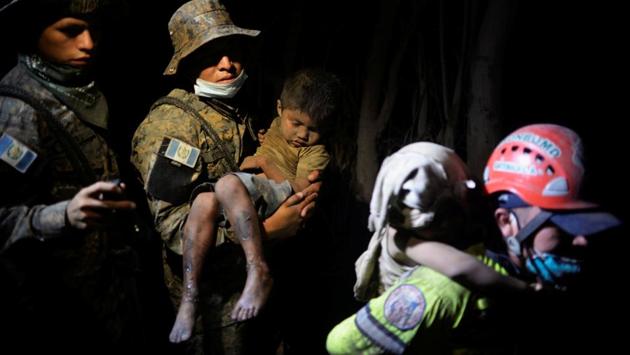
Guatemala's Volcan de Fuego or the Volcano of Fire erupted on Sunday spewing deadly clouds with rivers of ash and pulverized rock. Its sudden eruption coupled with the high velocity pyroclastic flow descending down the slopes engulfed communities such as El Rodeo and San Miguel Los Lotes. The death toll from the eruption reached 69 on Tuesday after days of hampered rescue operations, and is expected to rise, as family members continue searching for the missing in makeshift morgues and on streets blanketed with ash.
Updated on: Jun 05, 2018 1:15 PM IST

Share via


Copy link

1/10
 View Photos in a new improved layout
Updated on Jun 05, 2018 1:15 PM
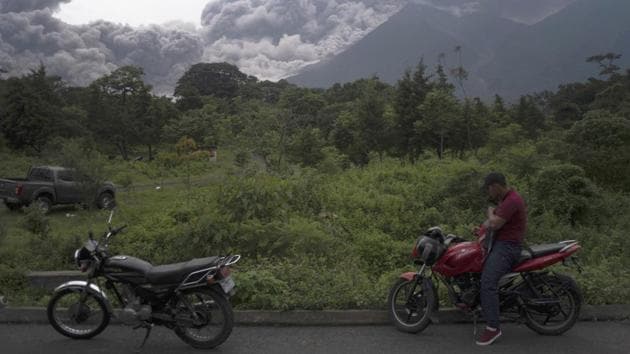
Guatemala’s Fuego volcano erupted Sunday, spewing deadly clouds of ash and pulverized rock. Fuego is one of 11 active volcanoes in the Central American country along the ‘Ring of Fire’. The death toll rose to 69 on Tuesday and is expected to go higher from a disaster that caught residents of remote mountain hamlets off guard with little or no time to flee to safety. (Santiago Billy / AP)
2/10
 View Photos in a new improved layout
Updated on Jun 05, 2018 1:15 PM
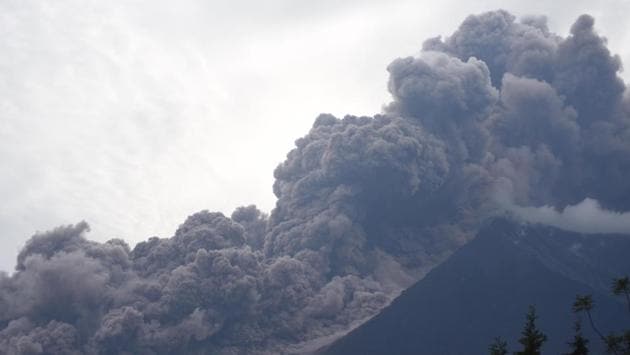
At its peak, the volcano is 12,346 feet above sea level. According to the Global Volcanism Program, the volcano which sits less than 50 kms from Guatemala City has been erupting since 2002. It is a stratovolcano, like Mount St. Helens, with viscous lava that allows gas pressures to build and leads to more explosive eruptions. (Orlando Estrada / AFP)
3/10
 View Photos in a new improved layout
Updated on Jun 05, 2018 1:15 PM
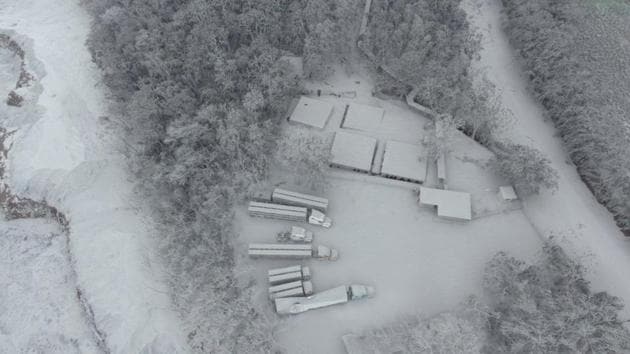
An aerial view shows the aftermath of the volcanic eruption in Guatemala. The explosion created what is known as pyroclastic flows, mixtures of hot gas and rock descending down the slopes and engulfing communities such as El Rodeo and San Miguel Los Lotes. (MINGOB / PNC / REUTERS)
4/10
 View Photos in a new improved layout
Updated on Jun 05, 2018 1:15 PM
Soldiers sweep the ash covered tarmac at La Aurora International Airport. The eruption was the biggest in more than four decades, forcing the closure of Guatemala’s main international airport. Using shovels and backhoes, emergency workers dug through debris and mud on smoldering terrain still hot enough to melt shoe soles a day after Fuego exploded in a hail of ash, smoke and molten rock. (Luis Vargas / REUTERS)
5/10
 View Photos in a new improved layout
Updated on Jun 05, 2018 1:15 PM
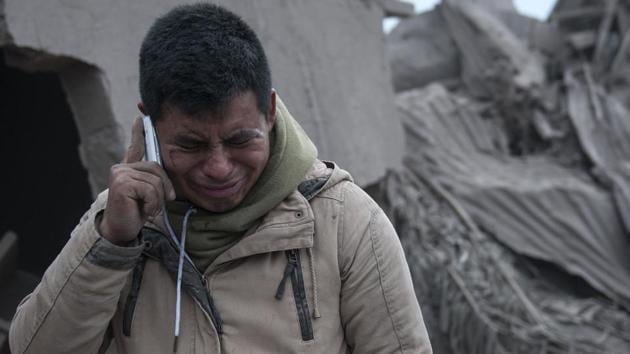
A man cries after seeing the condition of his neighborhood destroyed by the volcanic eruption. “There are missing persons, but we do not know how many,” said Sergio Cabanas of Guatemala’s disaster management agency. More than 3,000 have evacuated with 1,787 people sheltering in the departments of Escuintla, Sacatepequez and Chimaltenango. (Oliver de Ros / AP)
6/10
 View Photos in a new improved layout
Updated on Jun 05, 2018 1:15 PM
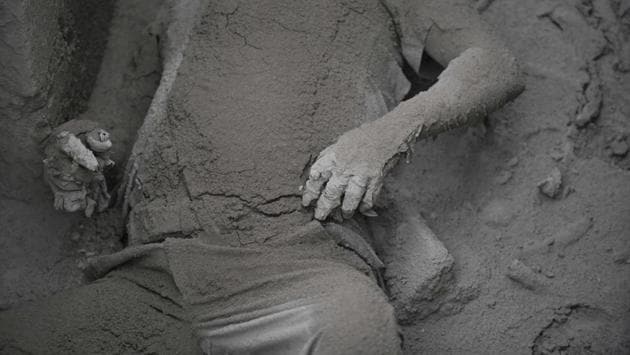
Bodies were so thickly coated with ash that they looked like statues. Rescuers were forced to use sledgehammers to break through roofs buried in debris to see if anyone was trapped inside. The task of retrieving bodies was hindered by another eruption on Monday and an apparent landslide on the southern slopes of Fuego which triggered fresh evacuations. (Johan Ordonez / AFP)
7/10
 View Photos in a new improved layout
Updated on Jun 05, 2018 1:15 PM
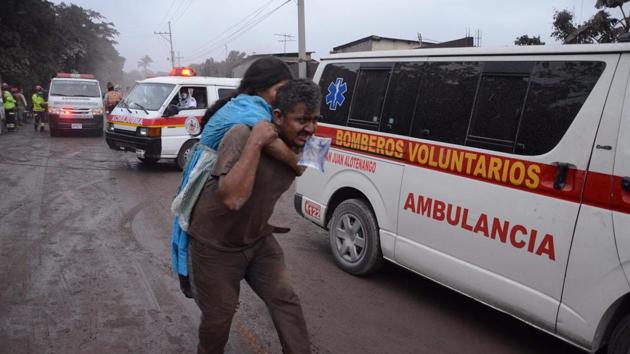
People flee from the El Rodeo village in Guatemala City after the eruption. Fifteen people, including 12 children, have been hospitalised, some of whom suffered severe burns, the health ministry said on Tuesday. The death toll stands at 69 with over 1 million residents affected. According to Guatemala’s national disaster agency, CONRED, just a fraction of the victims have been identified so far. (Noe Perez / AFP)
8/10
 View Photos in a new improved layout
Updated on Jun 05, 2018 1:15 PM
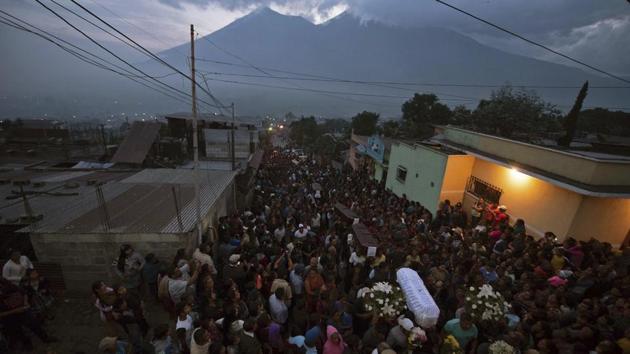
Elsewhere, the process of mourning had begun with residents of villages walking through the streets with caskets hoisted on their shoulders to the cemetery. President Jimmy Morales has declared three days of national mourning. (Santiago Billy / AP)
9/10
 View Photos in a new improved layout
Updated on Jun 05, 2018 1:15 PM
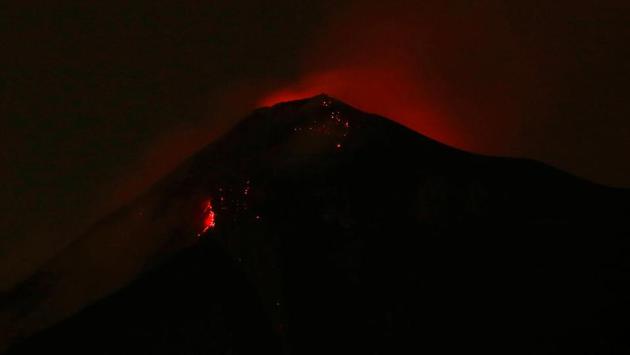
Fuego is possibly the most active volcano in Guatemala. Records of activity go back to the 1500s and recent reports show that the volcano has been continuously erupting since 2002. Before Sunday’s eruptions, the most recent event began May 17, when explosions triggered ash plumes to rise almost 3,300 feet. (Luis Echeverria / REUTERS)
10/10
 View Photos in a new improved layout
Updated on Jun 05, 2018 1:15 PM


