
 E-Paper



Photos: Homeless migrants in Greece moved to new camp after fire
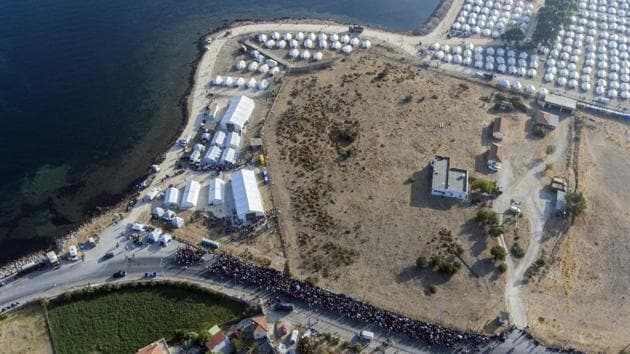
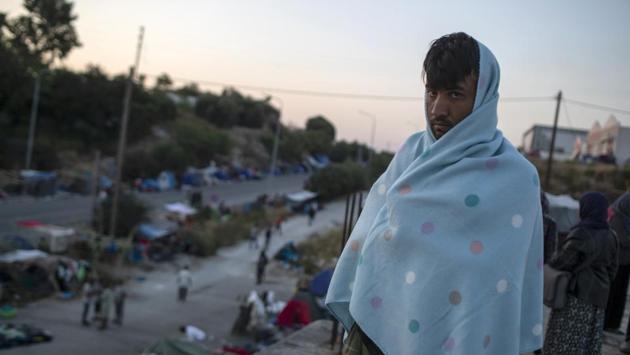
In Greece, nearly 6000 refugees have been relocated to a temporary army-built camp this week after the Moria camp was engulfed in fire on September 8, leaving over 12,000 people - including entire families with elderly and newborns homeless. The new site comprises large family tents erected in an an old army shooting range by the sea which will accommodate refugees until the United Nations High Commissioner for Refugees (UNHCR) can oversee permanent asylum arrangements.
Updated on: Sept 19, 2020 6:07 PM IST


Share via


Copy link

1/9
 View Photos in a new improved layout
Updated on Sept 19, 2020 6:07 PM
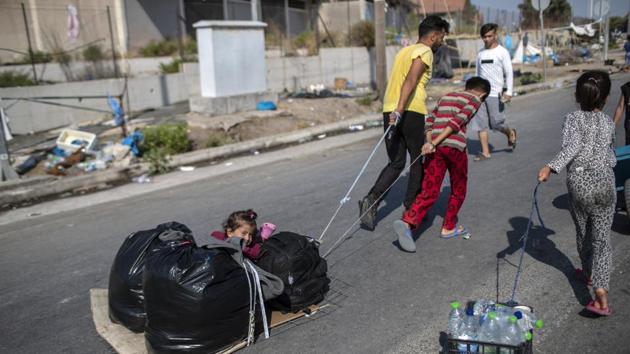
A child sits between plastic bags as migrants pull their belongings at Kara Tepe on the island of Lesbos on September 17. Nearly 12,000 migrants and refugees were forced to live on the streets after their refugee facility – Moria Camp was allegedly set on fire on September 8. (Petros Giannakouris / AP)
2/9
 View Photos in a new improved layout
Updated on Sept 19, 2020 6:07 PM
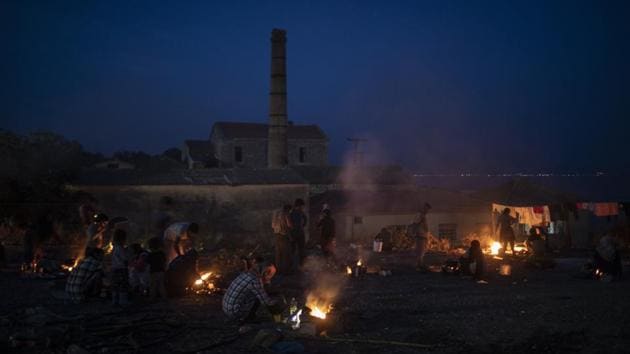
Migrants sit around a bonfire as others gather near a road leading from Moria to the capital of Mytilene on the island of Lesbos on September 17. According to AP, Moria had a capacity of just over 2,700 people, but more than 12,500 people had been living in and around it when it burned down. The camp and its squalid conditions were held up by critics as a symbol of Europe’s failed migration policies. (Petros Giannakouris / AP)
3/9
 View Photos in a new improved layout
Updated on Sept 19, 2020 6:07 PM
An aerial view showing the temporary camp in Kara Tepe on the island of Lesbos on September 18. The United Nations High Commissioner for Refugees (UNHCR)on September 18 warned Greece that the new camp can only be temporary. “UNHCR supports its use as temporary solution but cautions that what may be deemed adequate in terms of shelter and services during emergency situations is not appropriate for the longer-term,” spokesperson Shabia Mantoo said in a public address. (AP)
4/9
 View Photos in a new improved layout
Updated on Sept 19, 2020 6:07 PM
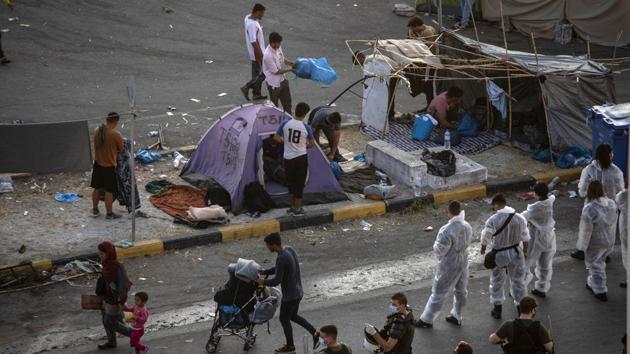
Police wearing PPE kits facilitate the movement of migrants to the new temporary refugee camp in Kara Tepe on the island of Lesbos on September 18. According to AP’s report, police officers wearing PPE kits woke the migrants in their tents and sleeping bags on the roadsides to take them to the temporary centre. (Petros Giannakouris / AP)
5/9
 View Photos in a new improved layout
Updated on Sept 19, 2020 6:07 PM
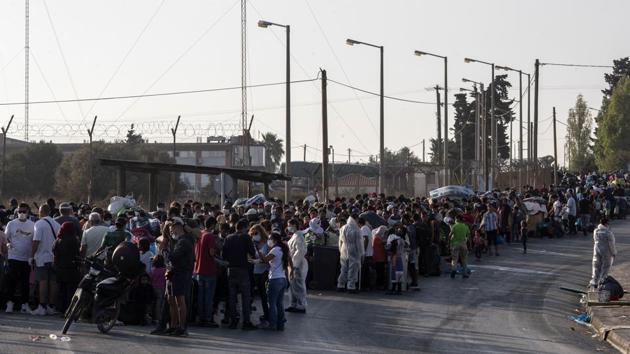
Men, women and children with bundles on their backs line up ahead of a police barricade on the road before entering the temporary camp in Kara Tepe on the island of Lesbos on September 18. (Petros Giannakouris / AP)
6/9
 View Photos in a new improved layout
Updated on Sept 19, 2020 6:07 PM
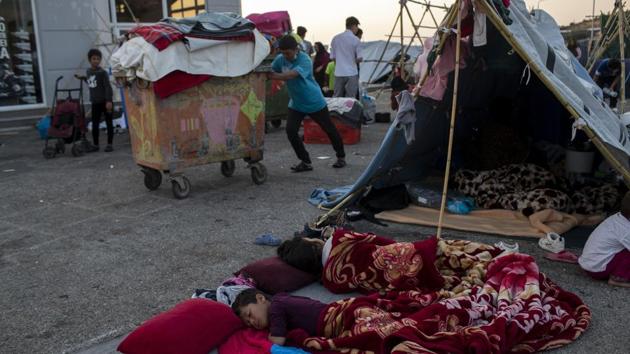
Migrants sleep as another one pushes a trash bin with his belongings on the island of Lesbos on September 18. Many asylum seekers told AFP that they are wary of entering the new camp, or were only doing so out of necessity as they are no longer able to sleep on the street with limited access to food and water. (Petros Giannakouris / AP)
7/9
 View Photos in a new improved layout
Updated on Sept 19, 2020 6:07 PM
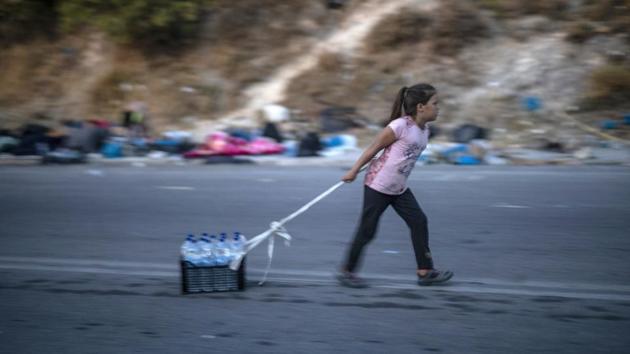
A migrant pulls a crate with bottles of water on the island of Lesbos on September 18. Migration Minister Notis Mitarachi told reporters at the camp that some 5,000 people had entered the temporary camp by September 17 afternoon and relocating the remaining 7,000 homeless asylum seekers who have so far stayed away would take “a few days.” (Petros Giannakouris / AP)
8/9
 View Photos in a new improved layout
Updated on Sept 19, 2020 6:07 PM
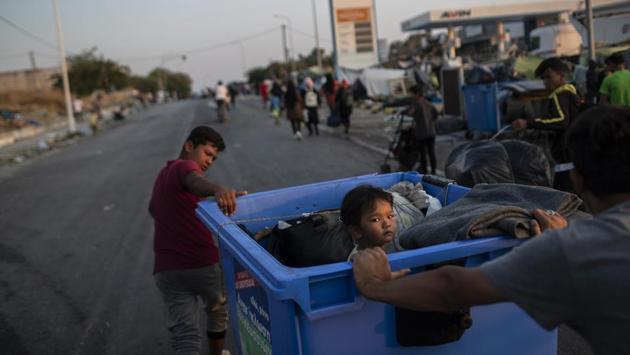
A child sits inside a recycle bin as a boy and man pull their belongings on the island of Lesbos on September 18. “It’s awful, there’s nothing in it, not enough food, toilets, no shower, there’s not even a bed,” Mustafa, a Sudanese asylum seeker, told AFP, after arriving at the temporary camp. (Petros Giannakouris / AP)
9/9
 View Photos in a new improved layout
Updated on Sept 19, 2020 6:07 PM


