
 E-Paper



PHOTOS: Philippines celebrate ‘mud people’ festival
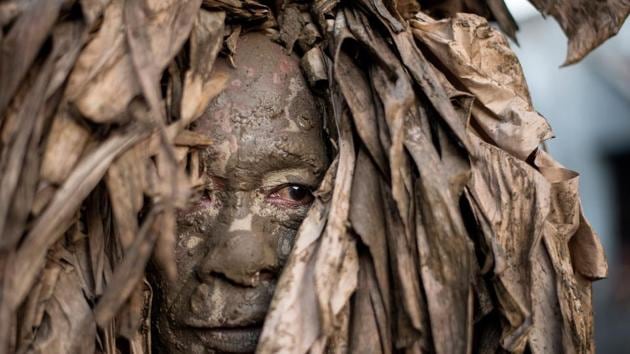
A devotee wearing a costume made of banana leaves heads to church to attend mass as part of a religious festival, in honor of St. John the Baptist, also known locally as the ‘mud people’ festival, in Aliaga town, Nueva Ecija province, north of Manila. The Feast Day of St John the Baptist is celebrated in the Philippines every year. (Noel Celis / AFP)
Updated on: Jun 24, 2017 7:16 PM IST

Share via


Copy link

1/8
 View Photos in a new improved layout
Updated on Jun 24, 2017 7:16 PM
A devotee wearing a costume made of banana leaves heads to church to attend mass as part of a religious festival, in honor of St. John the Baptist, also known locally as the ‘mud people’ festival, in Aliaga town, Nueva Ecija province, north of Manila. The Feast Day of St John the Baptist is celebrated in the Philippines every year. (Noel Celis / AFP)
2/8
 View Photos in a new improved layout
Updated on Jun 24, 2017 7:16 PM
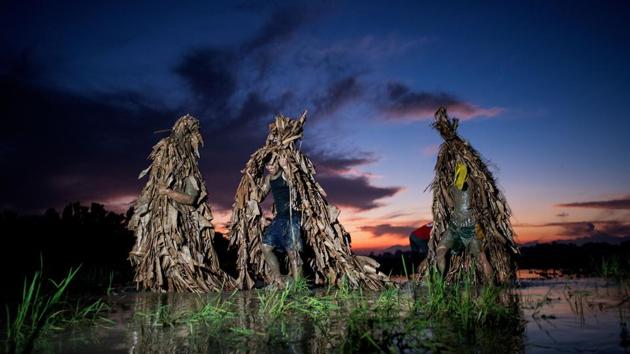
In the village of Bibiclat in Nueva Ecija province, people transform themselves into ‘taong putik’ (mud people) by covering themselves in mud and wearing costumes made from dried banana leaves. The village’s “Taong Putik” or mud people festival dates back to the Japanese occupation of the Philippines in the 1940s, according to the village chief, Norberto Eugenio. (Noel Celis / AFP)
3/8
 View Photos in a new improved layout
Updated on Jun 24, 2017 7:16 PM
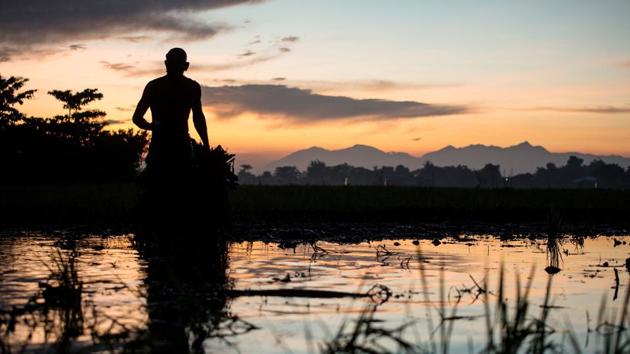
Japanese troops in Bibiclat during World War II gathered many of the male villagers in a church courtyard for execution. The women and children prayed to St. John the Baptist to spare them, and suddenly there was a downpour, causing the soldiers and their captives to scatter. (Noel Celis / AFP)
4/8
 View Photos in a new improved layout
Updated on Jun 24, 2017 7:16 PM
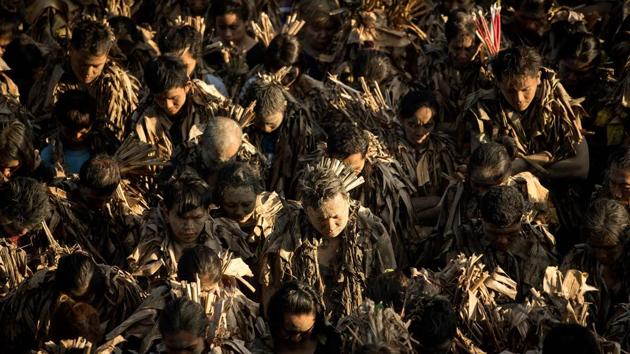
Hundreds of devotees perform the annual rites in the hopes of receiving blessings and having bountiful harvest in their farming which coincides with the feast day of their patron saint. (Noel Celis / AFP)
5/8
 View Photos in a new improved layout
Updated on Jun 24, 2017 7:16 PM
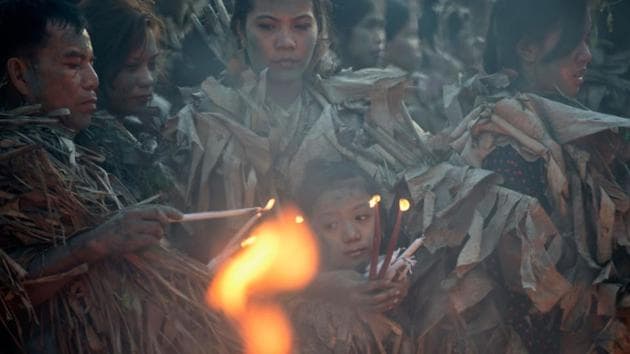
During the festival, men, women and children – some covered with capes from head to foot, eyes peering from a cake of mud on their faces – collect candles from bystanders along the village’s main street on their way to St. John the Baptist’s Church. They light the candles and make wishes, expecting them to be fulfilled because of their efforts. (Noel Celis / AFP)
6/8
 View Photos in a new improved layout
Updated on Jun 24, 2017 7:16 PM
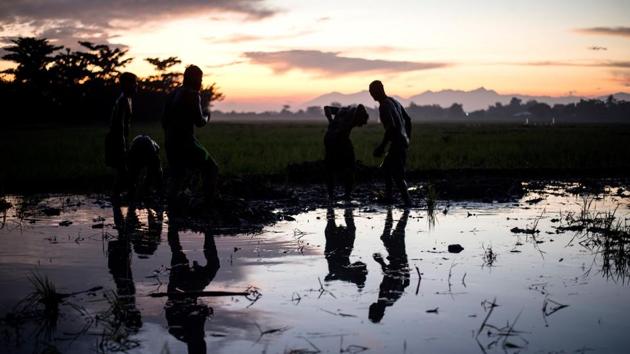
Devotees wearing costumes made of banana leaves prepare to head to church to attend a mass as part of a religious festival in honor of St. John the Baptist, also known locally as the "mud people" festival, in Aliaga town, Nueva Ecija province, north of Manila, on June 24, 2017. Farmers coated in mud paraded in Philippine villages on June 24 to mark one of the Catholic nation's most colourful religious festivals. / AFP PHOTO / NOEL CELIS (Noel Celis / AFP)
7/8
 View Photos in a new improved layout
Updated on Jun 24, 2017 7:16 PM
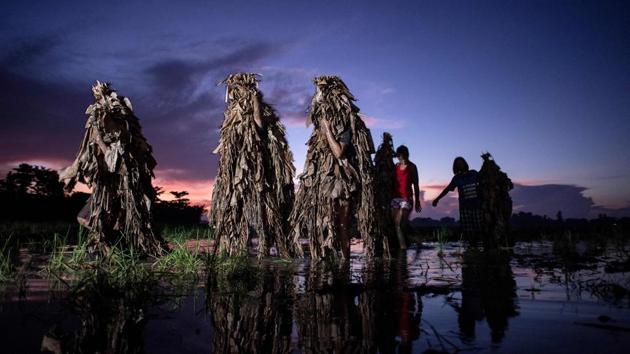
At dawn every June 24th, people from Bibiclat village in Nueva Ecija pay homage to their patron saint, John the Baptist, by gathering in silence in a swampy field to cover themselves in mud. (Noel Celis / AFP)
8/8
 View Photos in a new improved layout
Updated on Jun 24, 2017 7:16 PM


