
 E-Paper



Photos: Sanctions bite traders on North Korean borders with China, Russia
With North Korea possibly facing further sanctions following its ICBM missile test on November 29, things are unlikely to get easier for traders involved with the country's Rason Special Economic Zone (SEZ).
Updated on: Dec 01, 2017 3:24 PM IST

Share via


Copy link

1/7
 View Photos in a new improved layout
Updated on Dec 01, 2017 3:24 PM
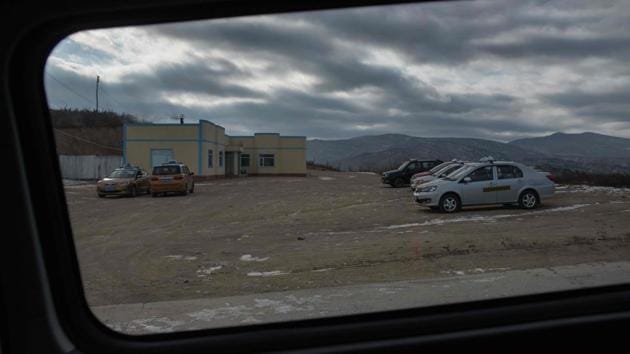
At the northeastern tip of North Korea, where the hermit kingdom meets its giant neighbours China and Russia, UN sanctions over its weapons programmes are having an impact. And with the North possibly facing further sanctions following its latest ICBM test, things are unlikely to get easier for traders involved in the remote region’s Rason Special Economic Zone (SEZ). Taxis wait near the North Korean border with China to collect business people. (Ed Jones / AFP)
2/7
 View Photos in a new improved layout
Updated on Dec 01, 2017 3:24 PM
People arrive on the North Korean side of the border and the entrance to the Rason SEZ. It is one of Pyongyang’s showpiece development projects, looking to exploit the geographical location between China, Russia and the Pacific Ocean. Established in 1991, it was the first of its kind in the country and has only come up to speed in recent years, but officials are defiant about setbacks. (Ed Jones / AFP)
3/7
 View Photos in a new improved layout
Updated on Dec 01, 2017 3:24 PM
A sailor stands on his boat at the port in Rason. Foreign firms are given tax, visa and legal concessions --they can set up wholly-owned units, rather than joint ventures-- to lure them to the SEZ, as Kim Jong-Un seeks to pursue a policy of “byungin”, or “simultaneous development”, of both the economy and atomic arms. (Ed Jones / AFP)
4/7
 View Photos in a new improved layout
Updated on Dec 01, 2017 3:24 PM
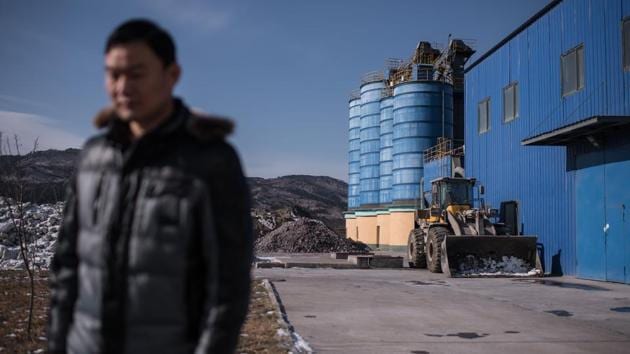
The most recent resolution --passed in September after Pyongyang detonated its most powerful nuclear device to date-- forbade trade in textiles and imposed limits on oil supplies. “There is some impact,” said Han Yue, deputy manager of the Chinese-owned Rason Songsin Building Materials cement plant. “Many things can’t be imported from China anymore because of the UN sanctions, in terms of the transfer of funds from both sides you could say it has been cut off.” (Ed Jones / AFP)
5/7
 View Photos in a new improved layout
Updated on Dec 01, 2017 3:24 PM
A view of North Korean coal piled up on a dockside at the port in Rason. The eight sets of UN Security Council sanctions have been imposed on Pyongyang over its nuclear weapons and ballistic missile programmes. North Korean coal exports have been banned, leaving the material piled up on quayside in Rason, as have iron ore and seafood. (Ed Jones / AFP)
6/7
 View Photos in a new improved layout
Updated on Dec 01, 2017 3:24 PM
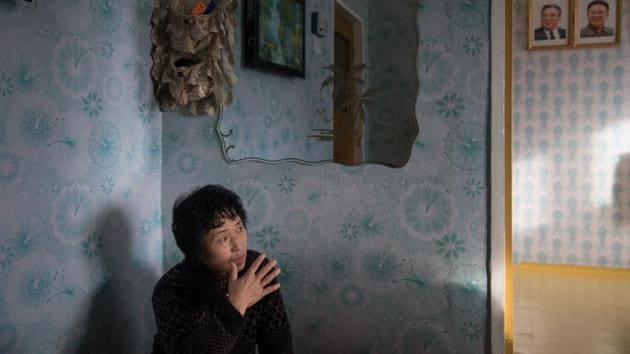
Ra In-Hae, 46, sits in her new home after her old house was damaged by flooding, before the portraits of late North Korean leaders Kim Il-Sung and Kim Jong-Il, near Rason. There used to be more than 5,000 foreign businessmen in Rason, around 80 percent of them Chinese, but officials privately admit some have left. (Ed Jones / AFP)
7/7
 View Photos in a new improved layout
Updated on Dec 01, 2017 3:24 PM


