
 E-Paper



Photos: Seven years after tsunami, Japanese find seawalls claustrophobic
Seven years after an earthquake triggered a giant tsunami in Japan which killed nearly 18,000 people and caused a nuclear meltdown at the Fukushima power plant, residents along the coastal north have picked up life under the security of giant seawalls. But communities once used to life by the sea now increasingly find themselves cordoned from by the same preventive walls from an element once essential to their identities, almost as if in a landlocked prison.
Updated on: Mar 12, 2018 10:18 AM IST

Share via


Copy link

1/10
 View Photos in a new improved layout
Updated on Mar 12, 2018 10:18 AM
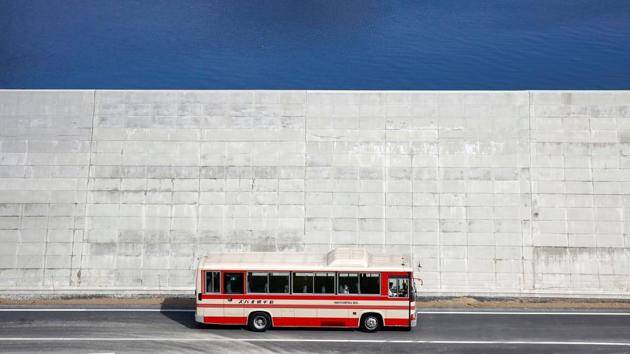
In 2011, an earthquake caused a tsunami which swarmed the old breakwaters and slammed into Japan’s shores, reaching as high as 30 metres, killing nearly 18,000 people and triggered a nuclear meltdown in Fukushima. Seven years on, thousands along Japan’s northeast coast have rebuilt lives alongside huge sea walls that experts say will protect them if another giant tsunami was to strike. (Kim Kyung-Hoon / REUTERS)
2/10
 View Photos in a new improved layout
Updated on Mar 12, 2018 10:18 AM
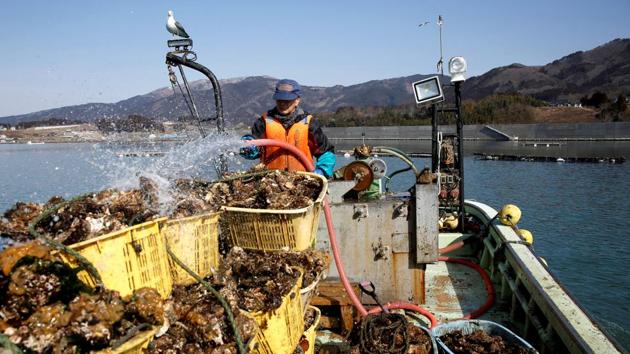
When the quake struck Japanese oyster fisherman Atsushi Fujita was working as usual by the sea. Soon after, a huge black wave slammed into his city and killed nearly 2,000 people. Today a 12.5 metre wall stands cordoning his hometown Rikuzentakata from the sea. “It feels like we’re in jail, even though we haven’t done anything bad,” the 52-year-old Fujita said. (Kim Kyung-Hoon / REUTERS)
3/10
 View Photos in a new improved layout
Updated on Mar 12, 2018 10:18 AM
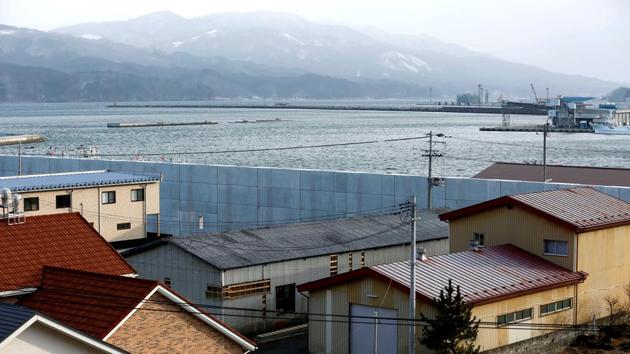
Since the disaster, some towns have forbidden construction in flat areas nearest the coast and have relocated residents to higher land. Others, such as Rikuzentakata, have raised the level of their land by several metres before constructing new buildings. A common thread, though are the seawalls, 395 kms long and built at a cost of $12.74 billion. (Kim Kyung-Hoon / REUTERS)
4/10
 View Photos in a new improved layout
Updated on Mar 12, 2018 10:18 AM
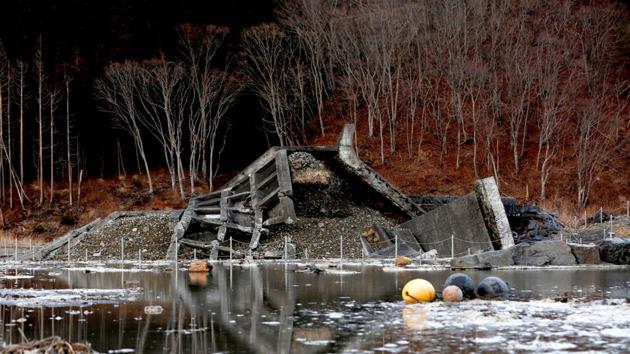
The Aketo seawall which was damaged in 2011 is seen in Tanohata village.”The seawalls will halt tsunamis and prevent them from inundating the land,” said Hiroyasu Kawai, researcher at the Port and Airport Research Institute in Yokosuka, near Tokyo. “Even if the tsunami is bigger than the wall, the wall will delay flooding and guarantee more time for evacuation.” (Kim Kyung-Hoon / REUTERS)
5/10
 View Photos in a new improved layout
Updated on Mar 12, 2018 10:18 AM
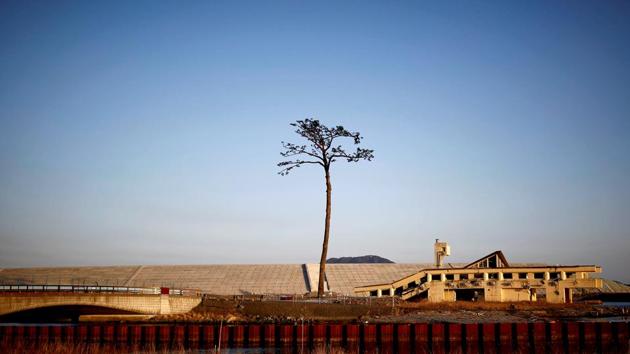
‘Miracle Pine’, a tree which is symbolises hope and recovery after surviving the tsunami, stands next to a damaged building in front of the Rikuzentakata seawall. Many residents initially welcomed the idea of the walls but have become critical over time. Some say they were not consulted enough in the planning or that the money spent has meant that other rebuilding, such as housing, has fallen behind. (Kim Kyung-Hoon / REUTERS)
6/10
 View Photos in a new improved layout
Updated on Mar 12, 2018 10:18 AM
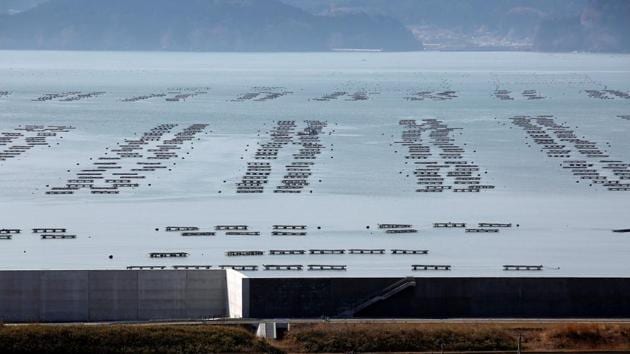
An oyster farm is seen behind a seawall at Hirota Bay in Rikuzentakata. Fisherman Fujita said that while the tsunami had improved oyster farming in the area by stirring up sea floors and removing accumulated sludge, the sea walls could block natural water flows from the land and impact future production. (Kim Kyung-Hoon / REUTERS)
7/10
 View Photos in a new improved layout
Updated on Mar 12, 2018 10:18 AM
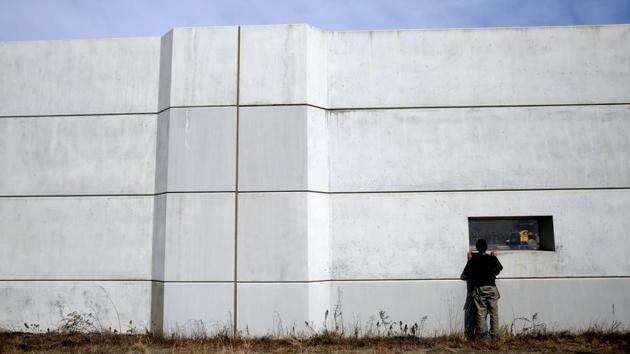
A man looks through a window of a seawall at a port in Kesennuma. Part of a wall here has windows in it - but these, too, draw complaints. “They’re a parody,” said Yuichiro Ito, who lost his home and younger brother in the tsunami. “It’s just to keep us happy with something we never wanted in the first place.” (Kim Kyung-Hoon / REUTERS)
8/10
 View Photos in a new improved layout
Updated on Mar 12, 2018 10:18 AM
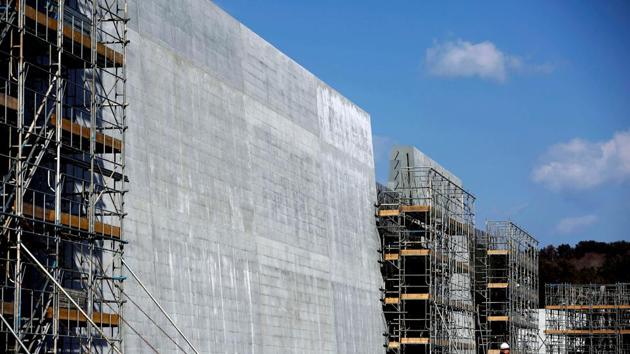
Many municipalities say the giant walls had to be in place before permission could be granted for reconstruction elsewhere. “I can’t say things like ‘the wall should be lower’ or ‘we don’t need it,’” said Katsuhiro Hatakeyama, who has rebuilt his bed and breakfast in the same location as before. “It’s thanks to the wall that I could rebuild, and now have a job.” (Kim Kyung-Hoon / REUTERS)
9/10
 View Photos in a new improved layout
Updated on Mar 12, 2018 10:18 AM
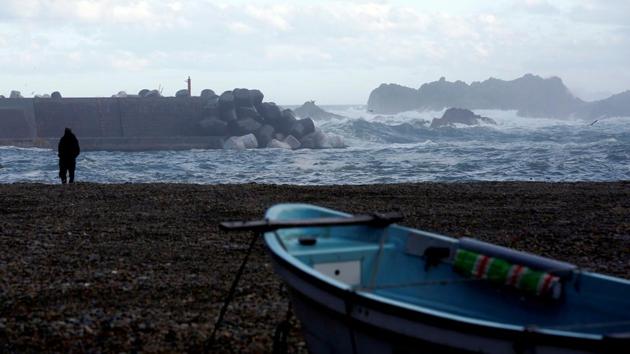
A fisherman watches waves hitting a seawall in Tanohata village. Many find the wall hard to adjust to. “Everyone here has lived with the sea, through generations,” said Sotaro Usui, head of a tuna supply company. “The wall keeps us apart - and that’s unbearable.” (Kim Kyung-Hoon / REUTERS)
10/10
 View Photos in a new improved layout
Updated on Mar 12, 2018 10:18 AM


