

 E-Paper


Photos: Sherpa widows eye Everest summit as way over stigma
For generations climbing has been firmly the realm of men among the legendary Sherpas of Nepal, tradition dictating women care for the home while their husbands conquer the Himalayan peaks. But that convention is being challenged by two Sherpa women attempting to summit Everest and force a rethink about the role of widows in their conservative community, after their husbands died on the world's highest mountain.
1 / 9

 View Photos in a new improved layout
Updated on Mar 31, 2019 04:57 pm IST
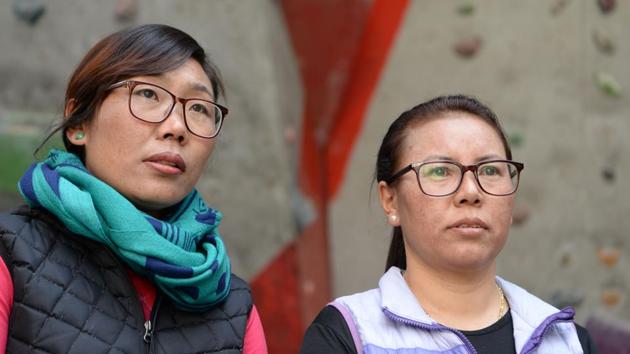
Furdiki Sherpa trains at a climbing gym in Kathmandu. Furdiki Sherpa and Nima Doma Sherpa hail from the Himalayan people revered for their skill at high altitudes as climbing guides. Neither woman ever dreamed of making an expedition to the roof of the world themselves. But that is exactly what they are preparing to do when the short spring climbing season gets underway in April. (Prakash Mathema / AFP)
2 / 9
 View Photos in a new improved layout
Updated on Mar 31, 2019 04:57 pm IST
Furdiki Sherpa (R) and Nima Doma Sherpa (L). “The men climb. We had other things to do. I was running a tea house and taking care of my family. I didn’t think about climbing the mountains,” Furdiki told AFP. That changed in 2013 when she lost her husband to the mountain as he fixed ropes along the route that aid climbers to the summit. (Prakash Mathema / AFP)
3 / 9
 View Photos in a new improved layout
Updated on Mar 31, 2019 04:57 pm IST
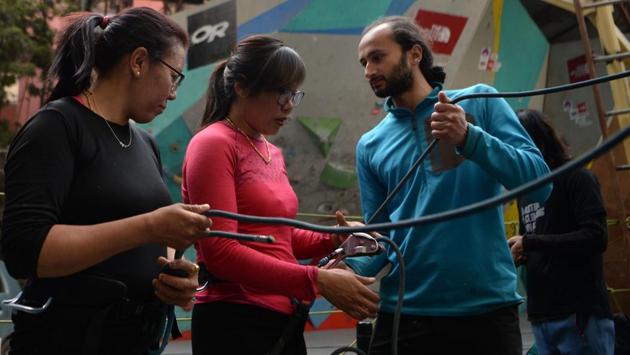
Like many Sherpa women before her, Furdiki was suddenly alone without a breadwinner to help raise their three children, bearing the stigma of misfortune that can stalk widows in Nepal. A year later, another tragedy brought her into contact with Nima Doma, whose husband was swept to his death with 15 other Nepali guides in a deadly Everest avalanche. (Prakash Mathema / AFP)
4 / 9
 View Photos in a new improved layout
Updated on Mar 31, 2019 04:57 pm IST
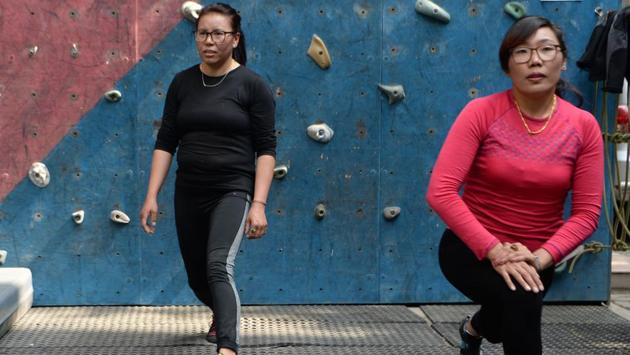
In need of work, the pair sought jobs as trekking guides in Kathmandu, and often crossed paths as they lit lamps at a local Buddhist stupa for their deceased husbands. “We started sharing our stories, our grief, and what we should do in life,” Furdiki said. After helping guide some amateur treks the women embarked on serious training and plans to summit Everest took shape. (Prakash Mathema / AFP)
5 / 9
 View Photos in a new improved layout
Updated on Mar 31, 2019 04:57 pm IST
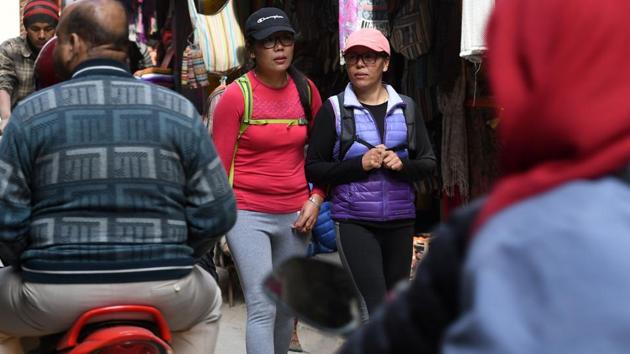
“They grew up in the mountains,” said Ang Tshering Lama, whose Angs Himalayan Adventure company is organising their ‘Two Widow Expedition’ to Everest. “As climbers they are very strong and determined.” Their Everest dream comes as attitudes toward women and climbing are slowly changing in the overwhelmingly male-dominated industry. (Prakash Mathema / AFP)
6 / 9
 View Photos in a new improved layout
Updated on Mar 31, 2019 04:57 pm IST
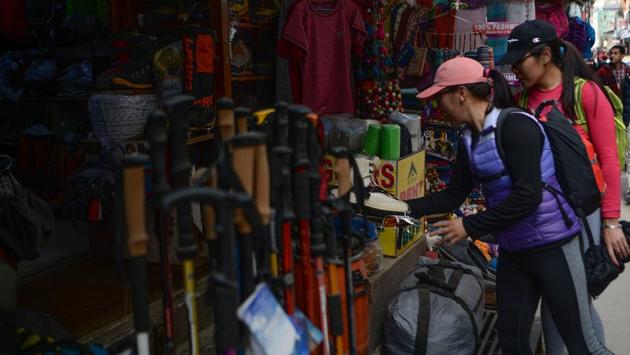
In November, they successfully climbed Island Peak and Chulu Far East Peak, both difficult ascents over 6,000 metres. Close to 4,000 Sherpa men have ascended the peak, according to the Himalayan Database, compared to just 34 women. Professional climber Lhakpa Sherpa, 44, is the best known having topped Everest nine times, but she remains very much an anomaly. (Prakash Mathema / AFP)
7 / 9
 View Photos in a new improved layout
Updated on Mar 31, 2019 04:57 pm IST
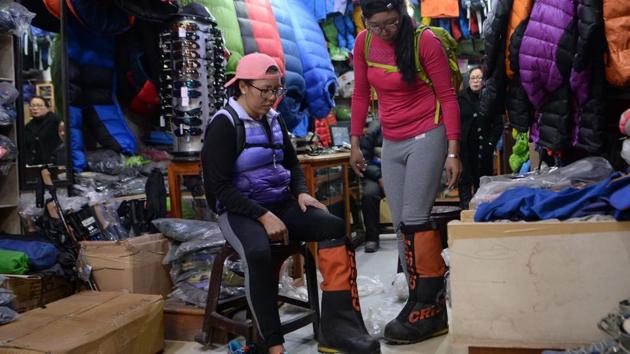
Furdiki Sherpa and Nima Doma Sherpa test equipment at a shop. “Women are rarely encouraged to take up climbing,” said Dawa Yangzum Sherpa, the only internationally certified female mountaineering guide in Nepal. Sherpa society is conservative and patriarchal. Wives and daughters are expected to keep the home fires burning while the men climb mountains. But many die in the process. (Prakash Mathema / AFP)
8 / 9
 View Photos in a new improved layout
Updated on Mar 31, 2019 04:57 pm IST
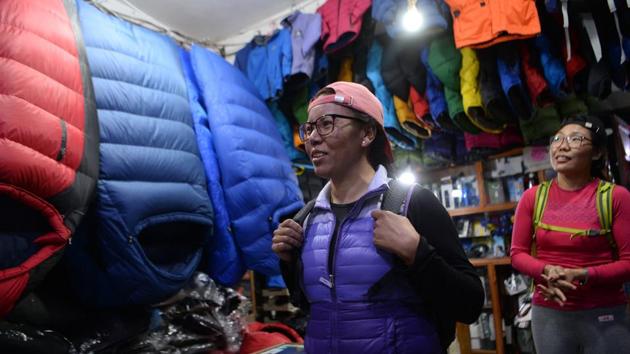
For women left to pick up the pieces, their grief and struggle is compounded by their newfound status as widows, one that carries stigma. “It is difficult and confusing for them. They are usually dependent on their husbands and not educated. And suddenly they are faced with the responsibility of taking care of the family,” said Tsering Dolker Sherpa of the Juniper Fund. (Prakash Mathema / AFP)
9 / 9
 View Photos in a new improved layout
Updated on Mar 31, 2019 04:57 pm IST