
 E-Paper



Photos: Sofia theatre group explores recycling’s ‘invisible hands’
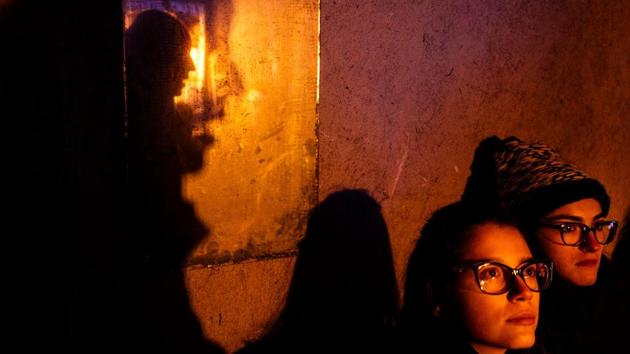
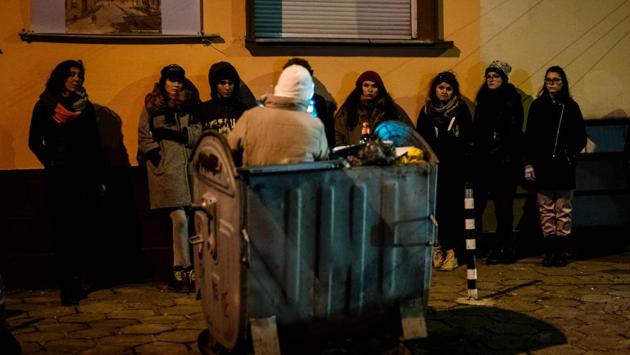
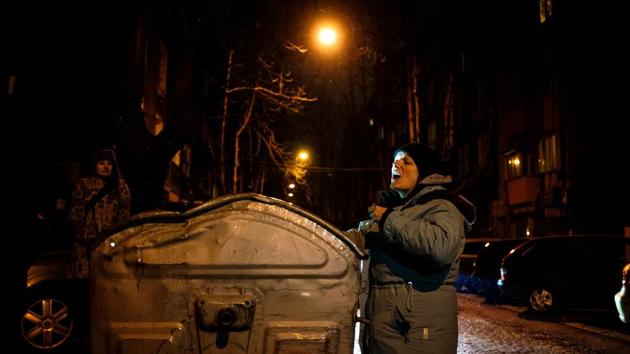
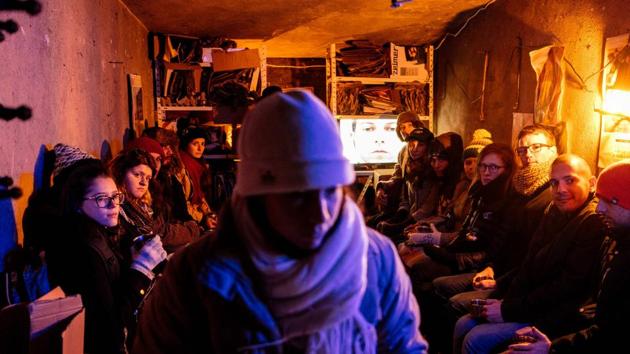
"You can tell a home by its rubbish. Show me people's rubbish and I can tell you who they are," says one actor dragging a cart, while another describes a collector's daily routine while sitting on top of a full garbage container. The unusual performance, downtown in a neighbourhood of the Bulgarian capital of Sofia, presented theatregoers verbatim some of the accounts of the 5,000 or so people who eke out a living in Sofia's ever-growing rag-and-bone trade and the cause for recycling.
Updated on: Aug 25, 2018 9:38 AM IST

Share via


Copy link

1/10
 View Photos in a new improved layout
Updated on Aug 25, 2018 9:38 AM
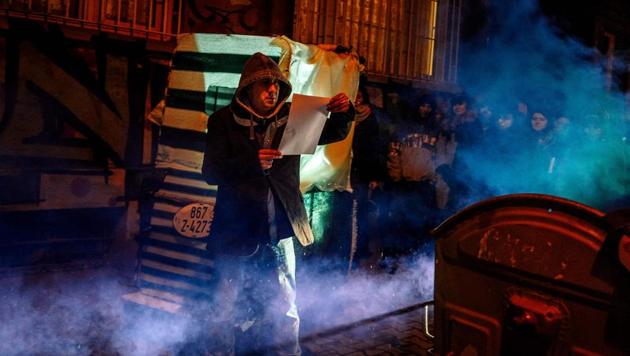
An artist during a performance organized by environmental pressure group Za Zemiata and the Vox Populi documentary theatre group in Sofia, Bulgaria. In a neighbourhood in downtown Sofia, theatregoers are looking for entertainment among the city’s rubbish -- quite literally. As night falls, spectators are led from one garbage bin to another, listening to the untold stories of the Bulgarian capital’s army of unofficial refuse collectors. (Dimitar Dilkoff / AFP)
2/10
 View Photos in a new improved layout
Updated on Aug 25, 2018 9:38 AM
“You can tell a home by its rubbish. Show me people’s rubbish and I can tell you who they are,” says one actor dragging a cart, while another describes a collector’s daily routine while sitting on top of a full garbage container. The unusual performance presents verbatim some of the accounts of the 5,000 or so people who eke out a living in Sofia’s ever-growing rag-and-bone trade. (Dimitar Dilkoff / AFP)
3/10
 View Photos in a new improved layout
Updated on Aug 25, 2018 9:38 AM
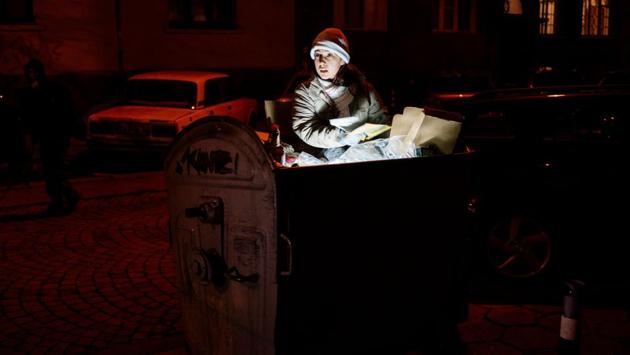
Za Zemiata, in addition to combating stigma that brands them “vagrants”, also wants to highlight the role unofficial collectors play in helping Sofia meet an EU target of recycling 50% of its rubbish by 2020. Field studies by Za Zemiata say, they handle between 70,000 and 100,000 tonnes of recyclables every year, accounting for between 41 and 57% of such material collected in the capital. (Dimitar Dilkoff / AFP)
4/10
 View Photos in a new improved layout
Updated on Aug 25, 2018 9:38 AM
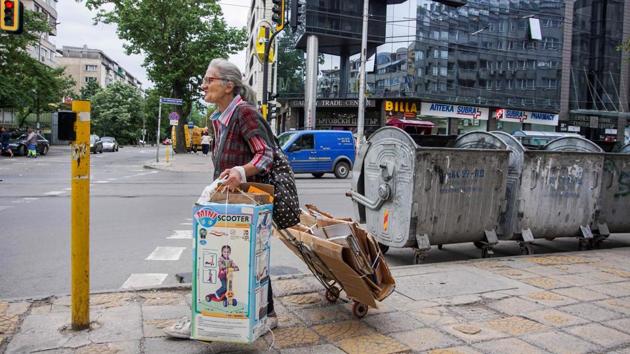
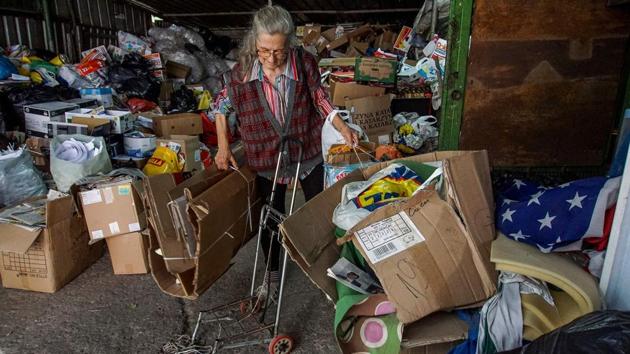
Most of the collectors are middle-aged or elderly, like former secretary Penka, 63,with two-thirds of them working seven days a week, carrying huge loads on foot or with small makeshift carts, and earning less than 10 leva ($6/5 euros) a day. That amounts to a monthly income that comes close to Bulgaria’s official poverty line of 321 leva. (Nikolay Doychinov / AFP)
5/10
 View Photos in a new improved layout
Updated on Aug 25, 2018 9:38 AM
Penka unloads cardboard at a local recycling depot. “Seven days a week, 2.50 leva (1.25 euros) per day makes around 20 leva per week but I am grateful,” the haggard woman told AFP outside the depot, clutching her daily haul of coins in her hand. In recent years, people like Penka have become a common sight in the capital of the EU’s poorest member state. (Nikolay Doychinov / AFP)
6/10
 View Photos in a new improved layout
Updated on Aug 25, 2018 9:38 AM
But according to Za Zemiata, they have remained largely invisible to the authorities and have often been unjustly vilified. “These people do what most of the others do not. Let us stop pretending they are not there,” said Za Zemiata activist Evgenia Tasheva. A recent national poll showed that 68% of the population do not recycle -- which is not obligatory in Bulgaria. (Dimitar Dilkoff / AFP)
7/10
 View Photos in a new improved layout
Updated on Aug 25, 2018 9:38 AM
Several schemes backed by city authorities to sort waste using different-coloured containers have also fallen flat, with the result that less than one-third of the city’s waste is recycled. A further 16% of the city’s rubbish ends up in landfill, while the rest is converted to fuel, with authorities recently green-lighting a new power plant to burn it. (Dimitar Dilkoff / AFP)
8/10
 View Photos in a new improved layout
Updated on Aug 25, 2018 9:38 AM
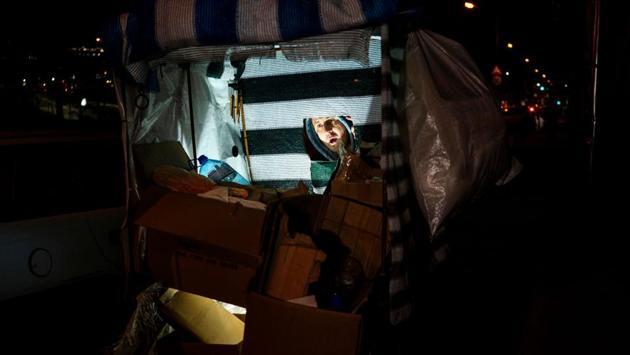
Za Zemiata has protested against the plant, saying authorities should focus instead on integrating collectors into the waste disposal system as a way of boosting recycling. But any such move would likely face stiff opposition from the contractors who run the city’s official recycling schemes and who accuse the unofficial collectors of “hindering” their work by rummaging through their bins. (Dimitar Dilkoff / AFP)
9/10
 View Photos in a new improved layout
Updated on Aug 25, 2018 9:38 AM
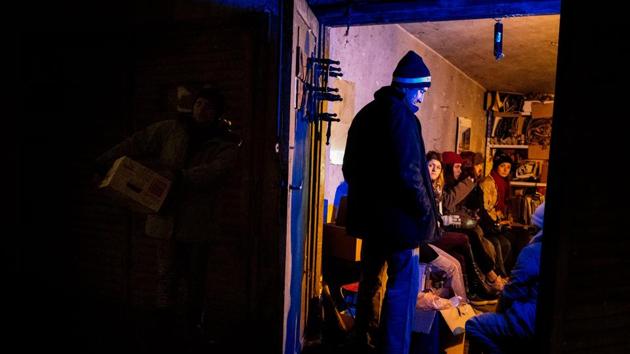
A scene from a performance. Za Zemiata has also raised the alarm over a recent official decision to move the depots where unofficial collectors hand in their materials to the outskirts of the city as of next year, citing pollution and noise complaints. The organisation fears the decision could push collectors like Penka even further into poverty. (Dimitar Dilkoff / AFP)
10/10
 View Photos in a new improved layout
Updated on Aug 25, 2018 9:38 AM


