
 E-Paper



Photos: Spring melts through frozen Gulf of Bothnia in Finland
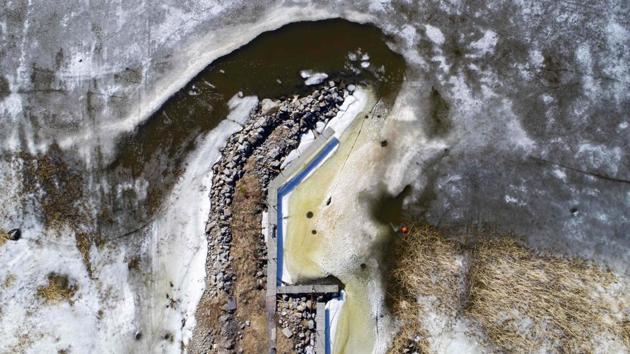
Every spring cracks emerge in the frozen Gulf of Bothnia around the UNESCO protected islands of the Merenkurkku Archipelago in western Finland, allowing ferries to sail through the melting ice. The archipelago, also known as Kvarkenoff and situated off the coast of Vaasa, has been a UNESCO World Heritage Site since 2006, drawing tourists to its natural scenery and wildlife. The landscape, featuring thousands of islands, is largely the result of the last Ice Age.
Updated on: May 06, 2018 2:01 PM IST

Share via


Copy link

1/7
 View Photos in a new improved layout
Updated on May 06, 2018 2:01 PM
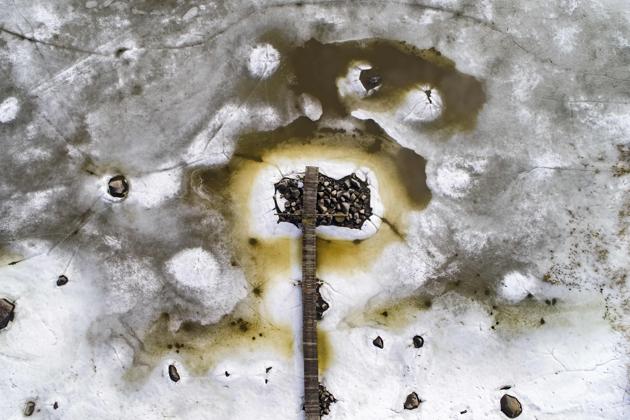
A wooden jetty is surrounded by melting sea ice in the islands of Merenkurkku Archipelago, near Vaasa, Finland. Spring has started to melt a way through the giant frozen expanse of this archipelago in western Finland, as cracks in the ice turn into rust-coloured pools around wooden jetties in a sign of the coming summer. (Olivier Morin / AFP)
2/7
 View Photos in a new improved layout
Updated on May 06, 2018 2:01 PM
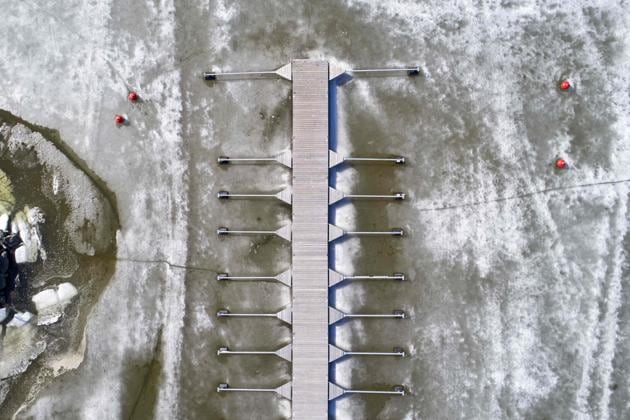
When the ice has finally receded, locals farther inland will break out their boats and sail to summer cabins on the islands of the Merenkurkku Archipelago in the Gulf of Bothnia. (Olivier Morin / AFP)
3/7
 View Photos in a new improved layout
Updated on May 06, 2018 2:01 PM
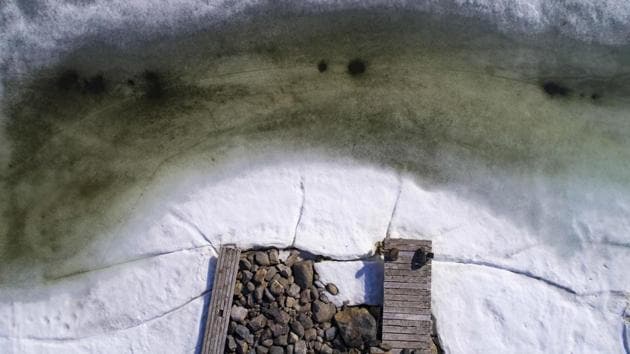
The archipelago, known in Swedish as Kvarken and situated off the coast of Vaasa, has been a UNESCO World Heritage Site since 2006, drawing tourists to its natural scenery and wildlife. (Olivier Morin / AFP)
4/7
 View Photos in a new improved layout
Updated on May 06, 2018 2:01 PM
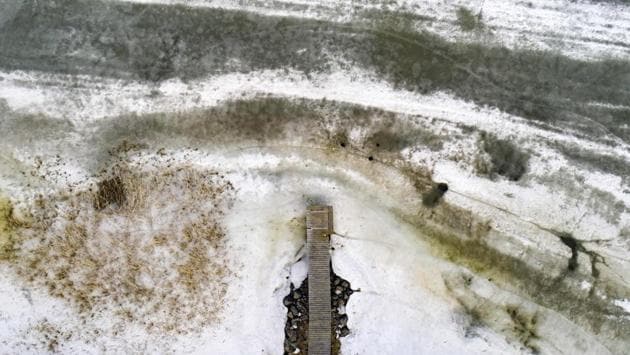
The landscape, featuring thousands of islands, is largely the result of the last Ice Age. (Olivier Morin / AFP)
5/7
 View Photos in a new improved layout
Updated on May 06, 2018 2:01 PM
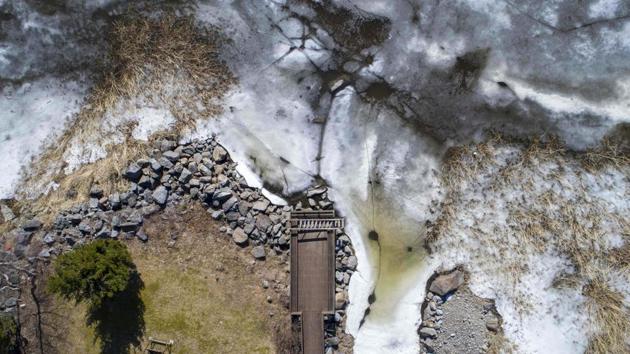
Due to post-glacial rebound, the landmass in this region is still rising up out of the water, by a rate of some 0.9 metres (three feet) per century. (Olivier Morin / AFP)
6/7
 View Photos in a new improved layout
Updated on May 06, 2018 2:01 PM
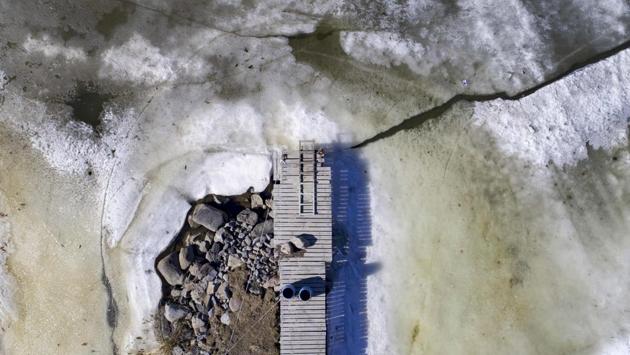
In winter the ice can reach 50 centimetres (20 inches) in thickness, making it impenetrable to most ships. (Olivier Morin / AFP)
7/7
 View Photos in a new improved layout
Updated on May 06, 2018 2:01 PM


