
 E-Paper



Photos: Venezuela dialysis patients face uncertain fate after power cuts
The dialysis patients in the western Venezuelan city of Maracaibo have been thrown into disarray because of the power cuts lasting 10 hours or more per day. It has led to water shortages, making it hard to provide the minimum 120 liters (32 gallons) of water that is needed for a full dialysis session. Also, many of the country's 1,600 machines are not working and some dialysis centres charge patients $70 for a three-hour session, equivalent to nearly a year of minimum wage of some patients.
Updated on: May 16, 2019 11:32 AM IST

Share via


Copy link

1/10
 View Photos in a new improved layout
Updated on May 16, 2019 11:32 AM
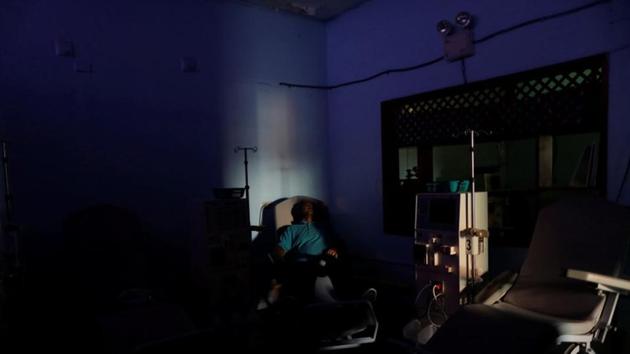
William Lopez, 45, a patient with kidney disease, waits for the electricity to return, at a dialysis centre, during a blackout in Maracaibo, Venezuela. Like any chronic kidney patient, he could die if he goes too long without treatment. “The impotence that I feel makes me want to cry,” said Lopez, 45, one of 11,000 Venezuelans whose dialysis treatment has been thrown into disarray by a wave of blackouts in the oil-rich but crisis-stricken South American country. (Ueslei Marcelino / REUTERS)
2/10
 View Photos in a new improved layout
Updated on May 16, 2019 11:32 AM
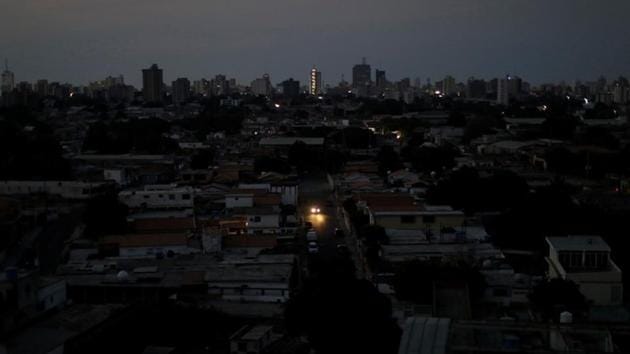
Electricity has largely been restored to the capital city of Caracas after two nation-wide power outages in March and April. But many other parts of Venezuela now have power for only several hours per day under a rationing plan put in effect by President Nicolas Maduro. (Ueslei Marcelino / REUTERS)
3/10
 View Photos in a new improved layout
Updated on May 16, 2019 11:32 AM
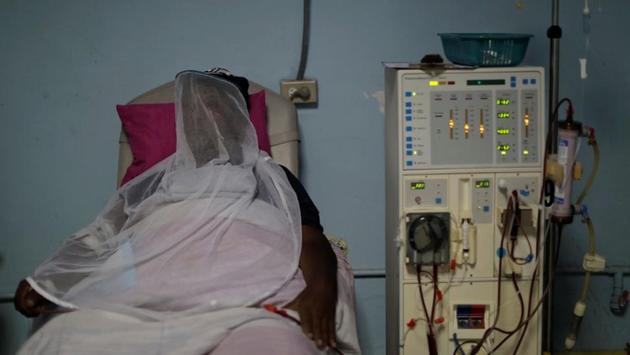
Elimenes Fuenmayor, 65, a kidney disease patient, reacts during a dialysis session, at a dialysis centre. Venezuela’s public hospitals for years have provided free dialysis treatment, thanks to abundant oil revenue and generous health-care spending. But since the economy crashed along with oil prices in 2014, new equipment rarely arrives and the existing machines are not maintained, doctors say. (Ueslei Marcelino / REUTERS)
4/10
 View Photos in a new improved layout
Updated on May 16, 2019 11:32 AM
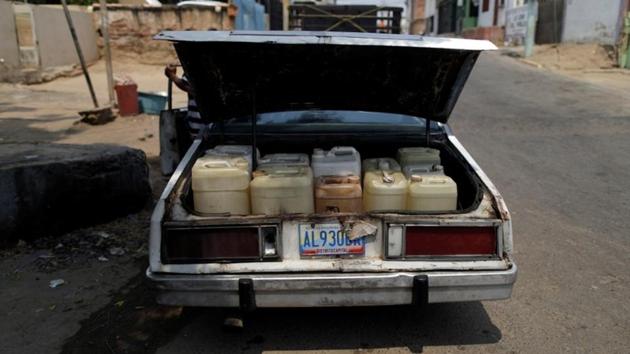
Lino Lopez (not pictured), who has kidney disease, uses his car to collect water during a blackout. There are few places that have been harder-hit than sweltering Maracaibo, the country’s second-largest city, which still experiences power cuts lasting 10 hours or more per day. That has led to water shortages, making it hard to provide the minimum 120 liters (32 gallons) of water doctors say is needed for a full dialysis session. (Ueslei Marcelino / REUTERS)
5/10
 View Photos in a new improved layout
Updated on May 16, 2019 11:32 AM
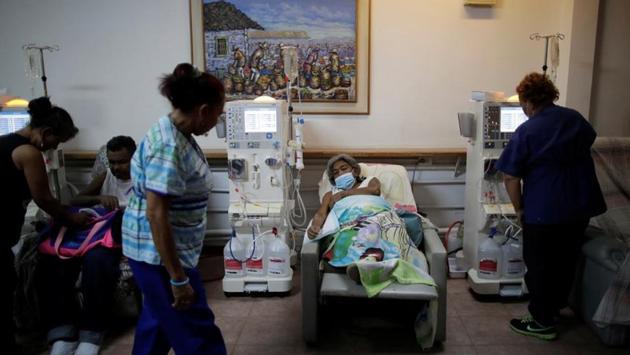
Lesbia Avila de Molina, 53, a kidney disease patient seen during a dialysis session at a dialysis centre, after a blackout. Dialysis requires consistent supplies of power and water to provide the recommended treatment of three or four hours, three times a week. Like any chronic kidney patient, he could die if he goes too long without treatment. (Ueslei Marcelino / REUTERS)
6/10
 View Photos in a new improved layout
Updated on May 16, 2019 11:32 AM
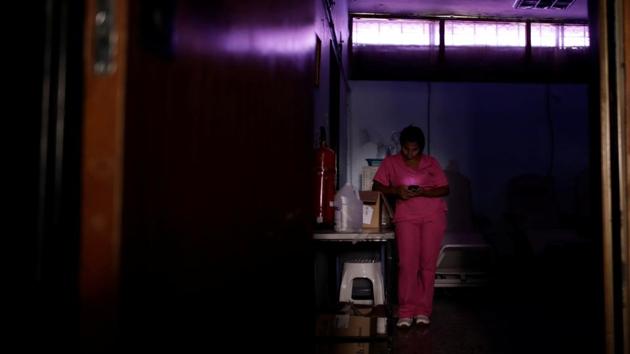
A nurse uses a mobile phone while she waits for the electricity to return in a dialysis centre, during a blackout. Maduro says healthcare problems are caused by U.S. sanctions that blocked funds in foreign bank accounts that could be used to pay for imports of equipment and medicine. He says the recent power outages are the result of Washington-backed sabotage of the electrical system. (Ueslei Marcelino / REUTERS)
7/10
 View Photos in a new improved layout
Updated on May 16, 2019 11:32 AM
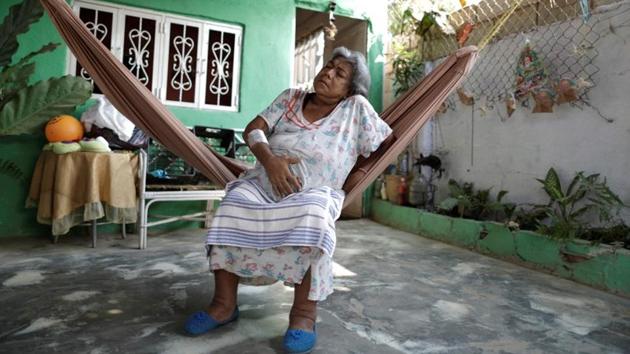
Lesbia Avila said she woke up feeling ill one recent morning after receiving just one hour and 40 minutes of treatment the prior day due to lack of power and equipment shortages at her Maracaibo clinic. “I just ask God that if I die, it will not be of choking,” said Avila, as she lay in a hammock at her home in a working class neighbourhood in western Maracaibo. (Ueslei Marcelino / REUTERS)
8/10
 View Photos in a new improved layout
Updated on May 16, 2019 11:32 AM
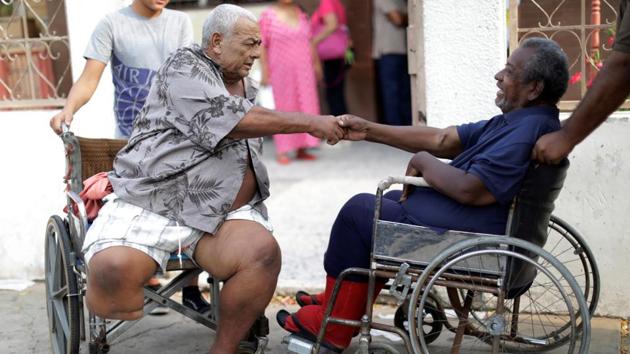
Elimenes Fuenmayor, 65, a patient with kidney disease, greets another kidney disease patient, as they wait for the electricity to return during a blackout. There are only 18 of 35 dialysis machines working in privately-owned dialysis center and the situation is similar at the 136 state-owned dialysis clinics across the country, said Carlos Marquez, the president of the Venezuelan Nephrology Society. Many of the country’s 1,600 machines are not working, he said. (Ueslei Marcelino / REUTERS)
9/10
 View Photos in a new improved layout
Updated on May 16, 2019 11:32 AM
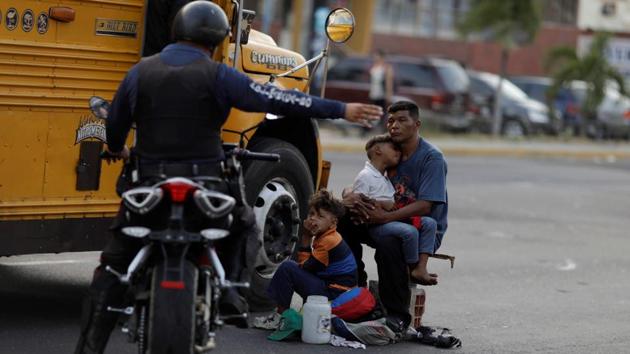
A Venezuelan police officer orders a man and his sons to move from the street where he was asking for donations, during a blackout. Some private Maracaibo dialysis centers charge patients $70 for a three-hour session, said 48-year-old kidney-disease patient Antonio Briceno. That is equivalent to nearly a year of minimum wage. (Ueslei Marcelino / REUTERS)
10/10
 View Photos in a new improved layout
Updated on May 16, 2019 11:32 AM


