
 E-Paper



Photos: Weaving rehab for Vietnam trafficking victims one stitch at a time
A group of Hmong women weave, dye and stitch indigo blue and yam orange fabrics at a textile cooperative in northern Vietnam that employs marginalised women, many touched by trafficking -- a common scourge in these remote hills near the China border.
Updated on: Jan 18, 2019 5:24 PM IST

Share via


Copy link

1/10
 View Photos in a new improved layout
Updated on Jan 18, 2019 5:24 PM
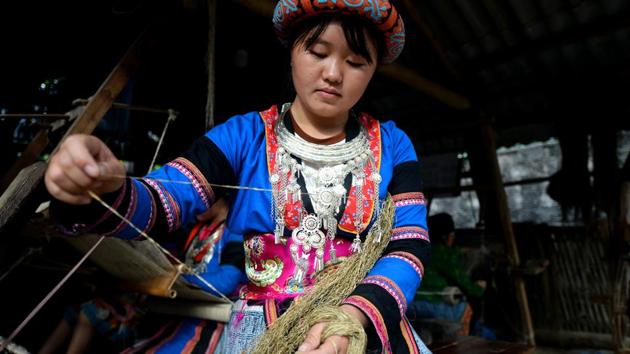
Thao Thi Van was just two when her mother disappeared during a trip to the market, likely taken by traffickers preying on women from the Hmong hill tribes of northern Vietnam to sell as brides or into brothels in China. Now aged 13 she is still haunted by the fate of her mother but has found some solace at the cooperative. (Nhac Nguyen / AFP)
2/10
 View Photos in a new improved layout
Updated on Jan 18, 2019 5:24 PM
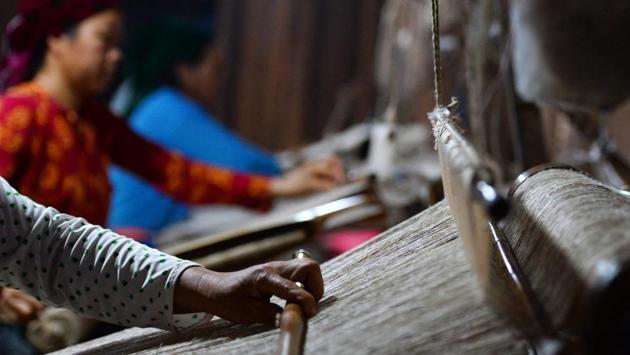
“I have almost no friends at school because they tease me for having no mother. I envy those kids with a mum,” the slight teenager told. “I have fun working here because I can earn some money and no-one teases me,” Van said. She’s been taken in by the older women she works with at the co-op, where she has earned a reputation as a skilled embroiderer. (Nhac Nguyen / AFP)
3/10
 View Photos in a new improved layout
Updated on Jan 18, 2019 5:24 PM
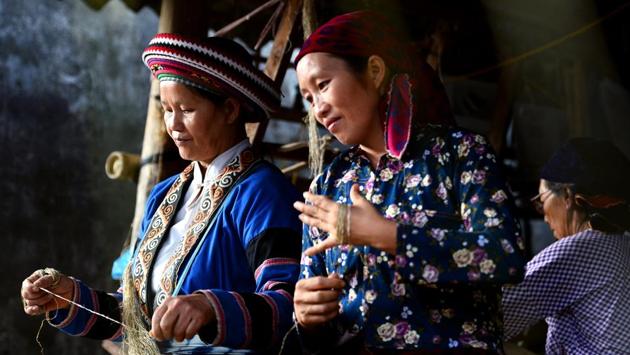
Thousands of Vietnamese women are trafficked or tricked across the border every year and in this remote mountainous region of Vietnam, spitting distance from the Chinese border, women and girls frequently vanish from communities. China’s buy-a-bride industry is booming, fuelled by a surplus of 30 million males. Some women go willingly, others are kidnapped or forced into marriage. (Nhac Nguyen / AFP)
4/10
 View Photos in a new improved layout
Updated on Jan 18, 2019 5:24 PM
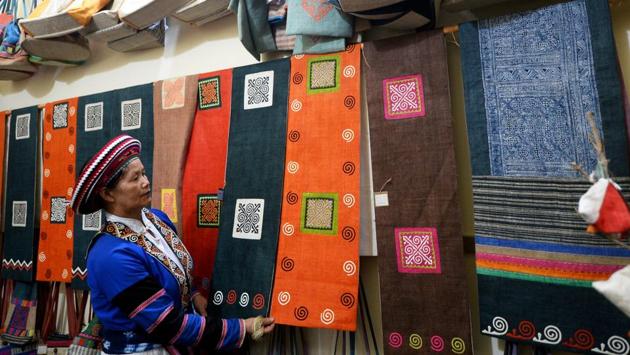
The lucky few who escape from China often face stigma upon their return and are shunned by neighbours. Driven to offer such victims a purpose -- and an income -- Vang Thi Mai set up the Lung Tam Linen Cooperative in 2001. “Society may not like them but here they are confident,” said Mai, dressed in a traditional pleated indigo hemp skirt and embroidered coat. (Nhac Nguyen / AFP)
5/10
 View Photos in a new improved layout
Updated on Jan 18, 2019 5:24 PM
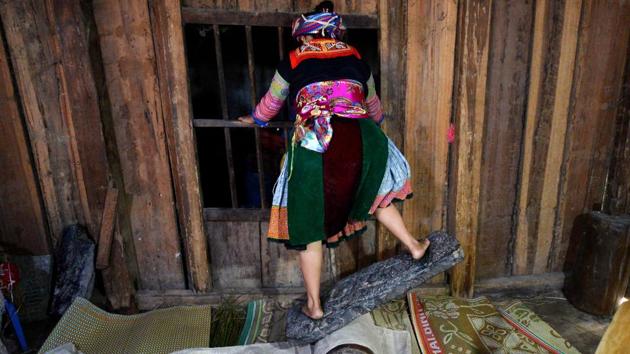
A Hmong woman softens textiles. The co-op quickly grew and today is a hive of activity that employs more than 130 women, not just trafficking victims but also orphans, single mothers and seniors, who weave, dye and stitch indigo blue and yam orange fabrics from dawn to dusk. (Nhac Nguyen / AFP)
6/10
 View Photos in a new improved layout
Updated on Jan 18, 2019 5:24 PM
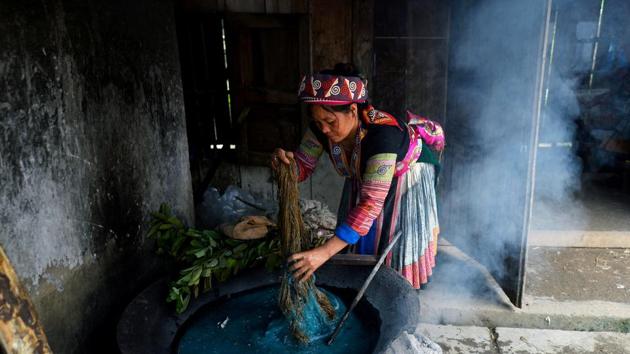
A girl dyes textiles at the Lung Tam Linen cooperative. The collective makes hemp handbags and table runners, coasters and stuffed animals, and the women can earn up to $170 per month, a decent wage in impoverished Ha Giang province. (Nhac Nguyen / AFP)
7/10
 View Photos in a new improved layout
Updated on Jan 18, 2019 5:24 PM
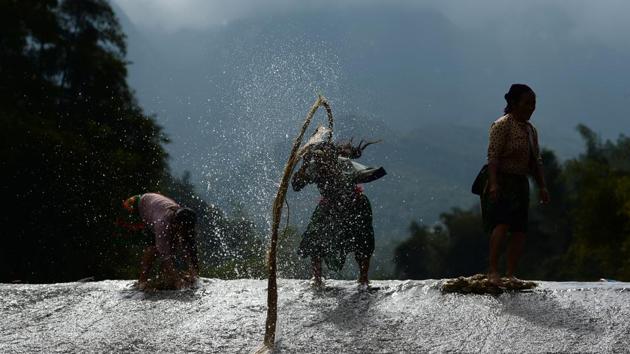
Hmong women wash clothes in a stream. With the jobs she is providing, Mai hopes for empowerment in a culture where sexism runs deep and where most women earn just a few dollars a month as farmers. That poverty is in part what drives the cross-border trade in women and boosting incomes protects potential victims -- and increases their social status. (Nhac Nguyen / AFP)
8/10
 View Photos in a new improved layout
Updated on Jan 18, 2019 5:24 PM
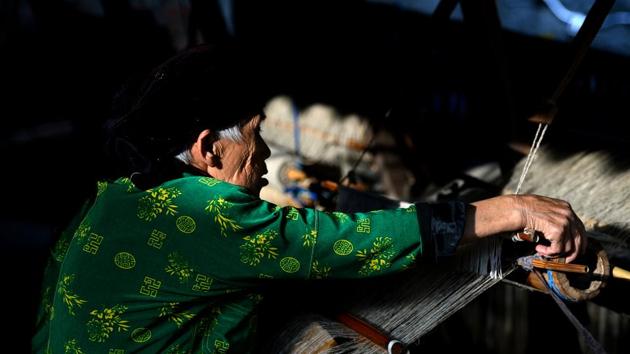
An eighty-year-old Hmong woman weaves textile. “If women, especially trafficked women, are working in a group together they make themselves stronger by gaining negotiating power, accelerating knowledge and integrating into society,” said Nguyen Tien Phong, head of inclusive growth at United Nations Development Programme in Vietnam. (Nhac Nguyen / AFP)
9/10
 View Photos in a new improved layout
Updated on Jan 18, 2019 5:24 PM
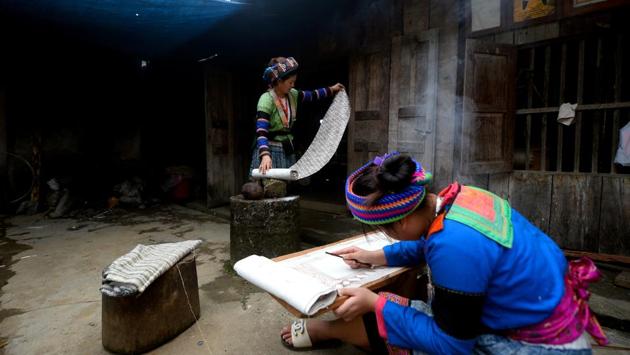
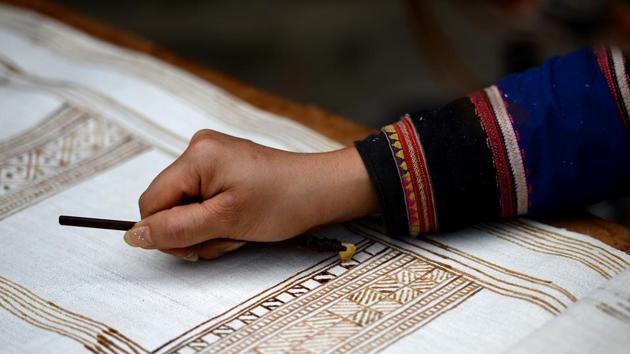
Mai has another goal too: to preserve the centuries-old custom of Hmong weaving, a tradition that has faded in many Hmong homes as modernity has crept in. Girls who once learned the craft from their mothers and grandmothers are busy these days with school work, or Facebook, or hanging out with friends. (Nhac Nguyen / AFP)
10/10
 View Photos in a new improved layout
Updated on Jan 18, 2019 5:24 PM


