
 E-Paper



Photos: Women and non-binary farmers work the soil in New York
Women and non-binary people are running some of the best-known organic farms on Long Island, in what is a growing, $50 billion industry nationwide. One reason organic farms are more gender-diverse is that their generally smaller size means less up-front investment is needed, making them more accessible to new farmers. Young farmers new to agriculture, are drawn to organic, sustainable farming because of a desire to do work with a social impact.
Updated on: Jul 30, 2019 1:24 PM IST

Share via


Copy link

1/10
 View Photos in a new improved layout
Updated on Jul 30, 2019 1:24 PM
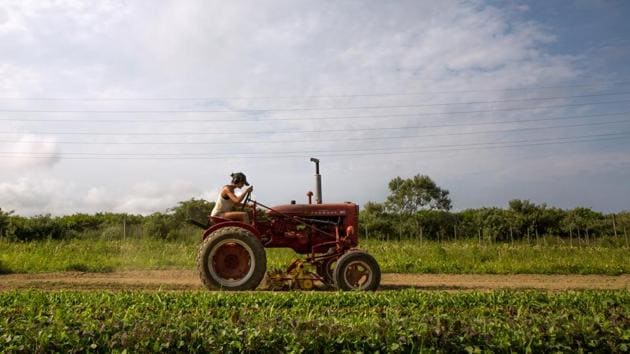
Farmer Isabel Milligan drives a tractor as she weeds and transplants crops on the farm in Amagansett, New York. Women and non-binary people are running some of the best-known organic farms on Long Island, in what is a growing, $50 billion industry nationwide. Women make up a slightly larger share of organic farmers than conventional farmers, 37% to 36%, according to the U.S. Department of Agriculture, a share that is likely to continue to grow. (Lindsay Morris / REUTERS)
2/10
 View Photos in a new improved layout
Updated on Jul 30, 2019 1:24 PM
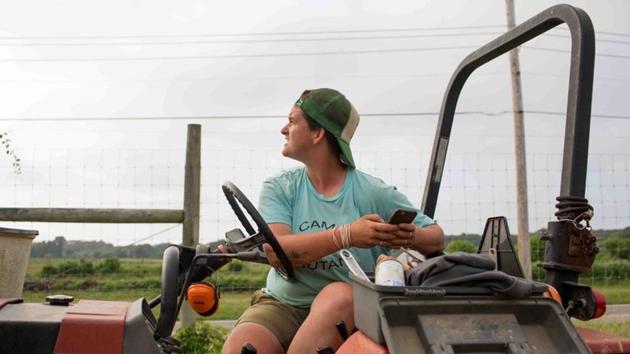
Layton Guenther, director of Quail Hill Farm, checks the sky for coming rain in Amagansett. “Farming - for where I grew up - was a very unusual career choice,” said Guenther, 32, who grew up in a New York City suburb and identifies as gender non-binary and uses they/them pronouns. But “everybody belongs on the land in their own way. None of us should feel alienated from it.” (Lindsay Morris / REUTERS)
3/10
 View Photos in a new improved layout
Updated on Jul 30, 2019 1:24 PM
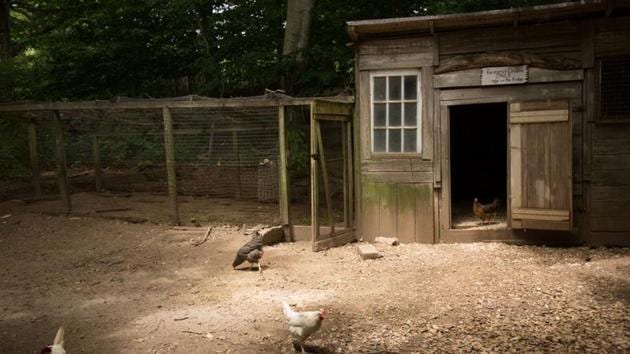
Chickens are seen at the Quail Hill Farm. Guenther grows potatoes, squash, wheat and other crops at Quail Hill, and is part of a growing cadre of gender-diverse college graduates in their 20s and 30s who are changing the face of organic farming. (Lindsay Morris / REUTERS)
4/10
 View Photos in a new improved layout
Updated on Jul 30, 2019 1:24 PM
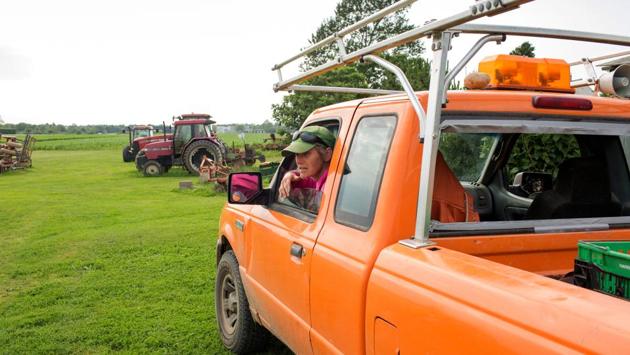
It isn’t just new farms that are sprouting new leadership. Marilee Foster’s family has been farming in Sagaponack, New York, for generations. Marilee, 48, is the first woman in the family to fully co-manage the farm. She recently transitioned to organic farming not just for environmental reasons, but also because it made business sense. “I farm organically because that’s what people want,” she said. (Lindsay Morris / REUTERS)
5/10
 View Photos in a new improved layout
Updated on Jul 30, 2019 1:24 PM
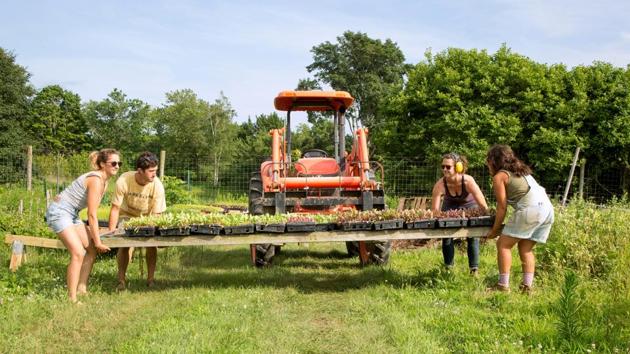
Farmers weed and transplant crops at Amber Waves Farm in Amagansett. One reason organic farms are more gender-diverse is that their generally smaller size means less up-front investment is needed, making them more accessible to new farmers, said Sophie Ackoff, vice president of policy and campaigns at the National Young Farmers Coalition. (Lindsay Morris / REUTERS)
6/10
 View Photos in a new improved layout
Updated on Jul 30, 2019 1:24 PM
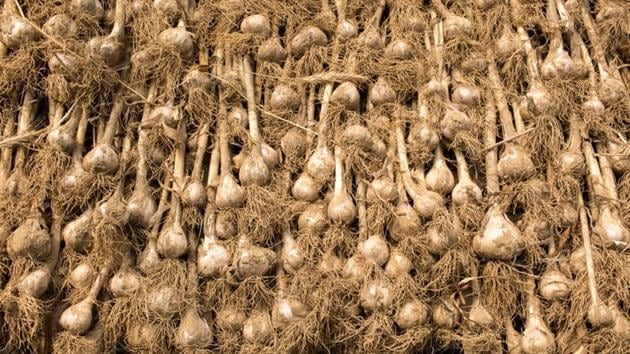
Garlic dries in a greenhouse at Quail Hill Farm. “They’re choosing to go organic because of the reasons they are going into agriculture in the first place: to protect natural resources for future generations, to fight climate change, to feed their community good, healthy food,” Ackoff said. (Lindsay Morris / REUTERS)
7/10
 View Photos in a new improved layout
Updated on Jul 30, 2019 1:24 PM
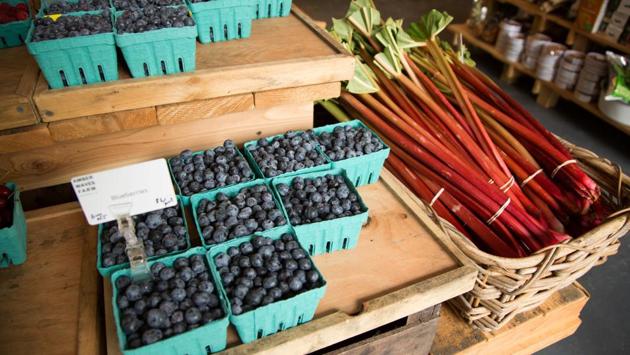
Produce, including blueberries and rhubarb, are seen at Amber Waves Farm. Amanda Merrow co-runs the farm with Katie Baldwin, whom she met during an apprenticeship program. Merrow said she had, quite simply, enrolled in the apprenticeship “with the intention of doing something else after,” but she fell in love with farming and couldn’t imagine doing anything else. (Lindsay Morris / REUTERS)
8/10
 View Photos in a new improved layout
Updated on Jul 30, 2019 1:24 PM
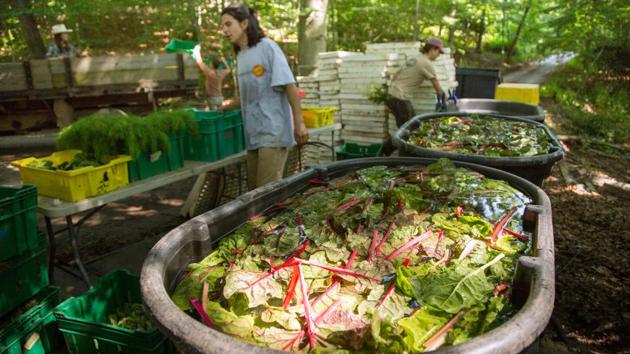
Vegetables are seen at the Quail Hill Farm. Many farmers are working in New York state, where organic farming is growing twice as fast as the national average, the latest USDA agricultural census showed, thanks in part to strong regional demand for organic, locally-produced foods. (Lindsay Morris / REUTERS)
9/10
 View Photos in a new improved layout
Updated on Jul 30, 2019 1:24 PM
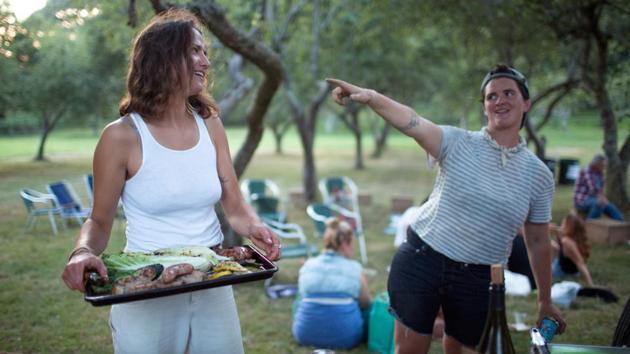
Layton Guenther (R) gathers with other farmers for a potluck dinner and music in Amagansett. New York has over 1,000 certified organic farms, ranking it third in the country, behind California and Wisconsin, the USDA data shows. These farms account for nearly 4% of the state’s overall farm acreage, compared with a national average of roughly 0.6%. (Lindsay Morris / REUTERS)
10/10
 View Photos in a new improved layout
Updated on Jul 30, 2019 1:24 PM


