
 E-Paper



Photos | World Leprosy Day: Life after illness and stigma in Vietnam
At its peak it treated 4,000 patients a year -- a number that has dwindled as leprosy cases have dropped across Vietnam thanks to improved healthcare, hygiene and greater awareness of the disease. Today there are only 190 patients at the Van Mon Leprosy hospice, all cured but living with disabilities caused by leprosy. On World Leprosy Day, a look inside at the lives of residents who have grown to call the country's oldest hospice home.
Updated on: Jan 27, 2019 2:14 PM IST

Share via


Copy link

1/11
 View Photos in a new improved layout
Updated on Jan 27, 2019 2:14 PM
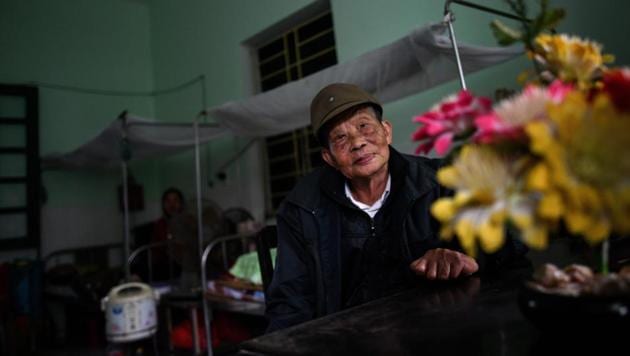
Tran Huu Hoa, 80, sitting in his room at the Van Mon Leprosy hospice compound. Hoa was scared, desperate and on the verge of suicide after his leprosy diagnosis in 1958, fearing he’d never work or marry in an age when lepers were completely shunned from Vietnamese society. (Manan Vatsyayana / AFP)
2/11
 View Photos in a new improved layout
Updated on Jan 27, 2019 2:14 PM
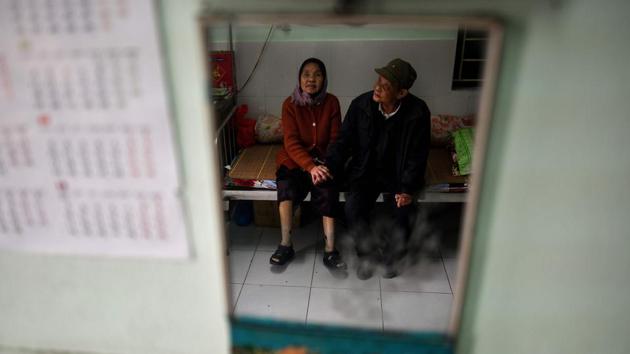
He could not imagine he would find new life at the leprosy hospice where he has been living for 61 years, a walled off compound in northern Thai Binh province where he met his wife Nyugen Thi Teo, worked as a union boss and took in needy children. (Manan Vatsyayana / AFP)
3/11
 View Photos in a new improved layout
Updated on Jan 27, 2019 2:14 PM
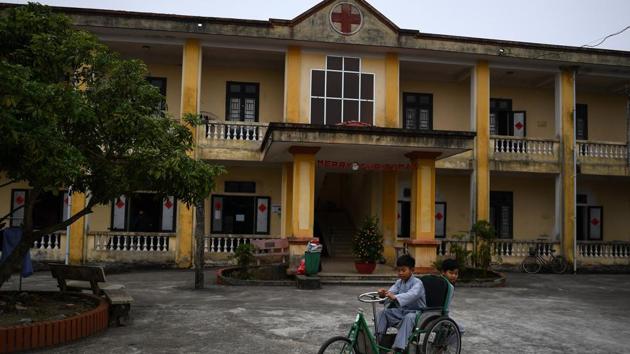
A young Vietnamese boy rides a tricycle for a leprosy patient at the Van Mon Leprosy hospice. “There were about 2,000 people here then, mostly young people. It was fun because we started a teen union,” the 80-year-old told AFP, sitting on his bed with his wife Teo of 54 years. (Manan Vatsyayana / AFP)
4/11
 View Photos in a new improved layout
Updated on Jan 27, 2019 2:14 PM
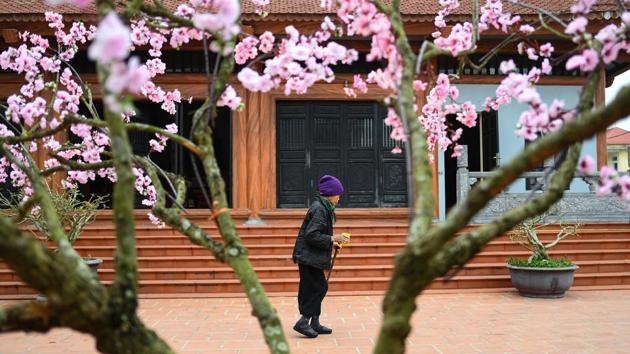
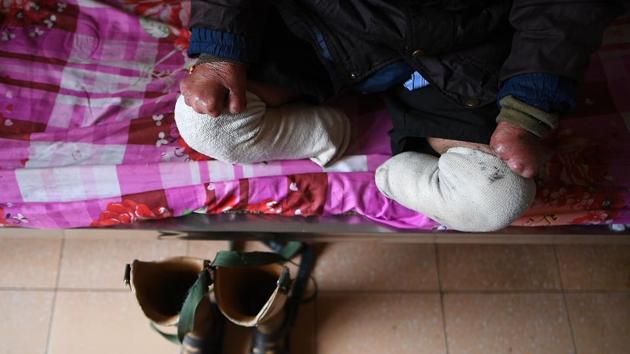
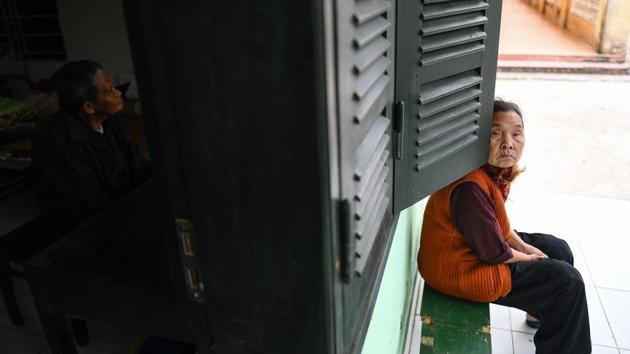
Today there are only 190 patients at the hospice, all cured but living with disabilities caused by leprosy. Many walk with prosthetic legs. Others like Hoa have lost fingers. Some are so severely disabled they spend the day bent over in bed, covered with thick blankets to keep the cold at bay. (Manan Vatsyayana / AFP)
5/11
 View Photos in a new improved layout
Updated on Jan 27, 2019 2:14 PM
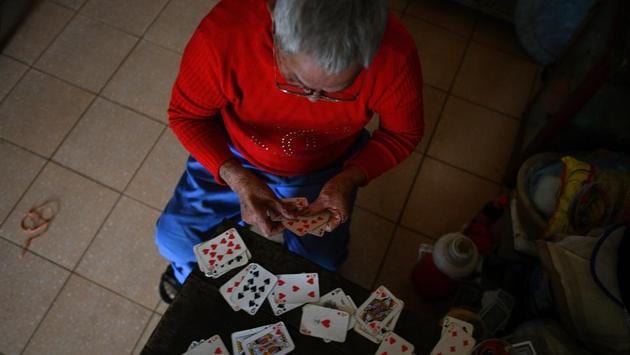
A leprosy survivor sorts stacks of playing cards alone in his room. Founded in 1900, Van Mon is the oldest leprosy hospital in northern Vietnam. At its peak it treated 4,000 patients a year -- a number that has dwindled as leprosy cases have dropped thanks to improved healthcare, hygiene and greater awareness of the disease. (Manan Vatsyayana / AFP)
6/11
 View Photos in a new improved layout
Updated on Jan 27, 2019 2:14 PM
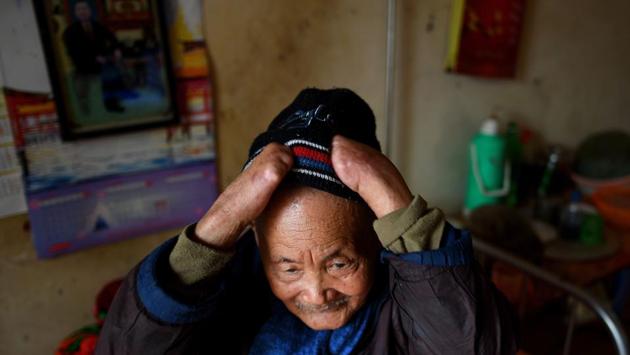
Leprosy patient Nguyen Quang Chieu, 85, wears his wool cap. There were 248 people being treated for leprosy in 2017 in Vietnam, down by more than half from a decade earlier, according to data from the World Health Organization. But as numbers have decreased so have the live-in patients at the Van Mon centre. (Manan Vatsyayana / AFP)
7/11
 View Photos in a new improved layout
Updated on Jan 27, 2019 2:14 PM
Meandering days are punctuated with a morning and midday meal. Some pass the time worshipping at the on-site chapel or pagoda, while most watch TV or listen to the radio during the day when they are not sleeping. (Manan Vatsyayana / AFP)
8/11
 View Photos in a new improved layout
Updated on Jan 27, 2019 2:14 PM
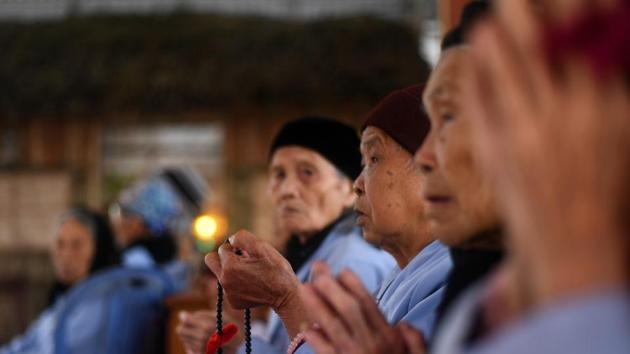
Leprosy survivors offering prayers on the 15th day of lunar month at a pagoda in the hospice. “I have no one to count on, I’m so lonely, so I just follow God. When I die I will follow God then too,” said Pham Van Bac, 83, who has been at the centre since 1960. (Manan Vatsyayana / AFP)
9/11
 View Photos in a new improved layout
Updated on Jan 27, 2019 2:14 PM
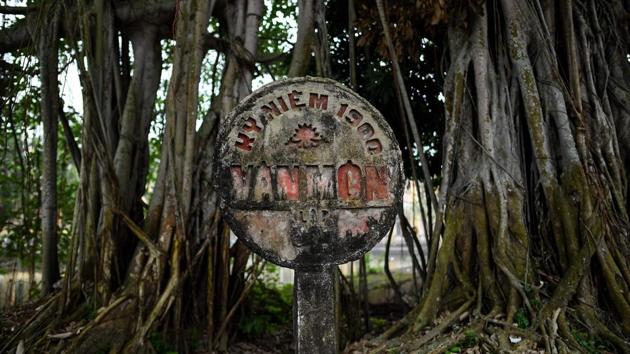
An old concrete sign bears the name of the Van Mon Leprosy hospice. His daughter no longer visits and his grandchildren come only once a year, so he has little to look forward to most days, he says. But many like Bac chose to stay, fearing they will be a burden on their families, or lose the care and small stipend provided at the government-run hospital. (Manan Vatsyayana / AFP)
10/11
 View Photos in a new improved layout
Updated on Jan 27, 2019 2:14 PM
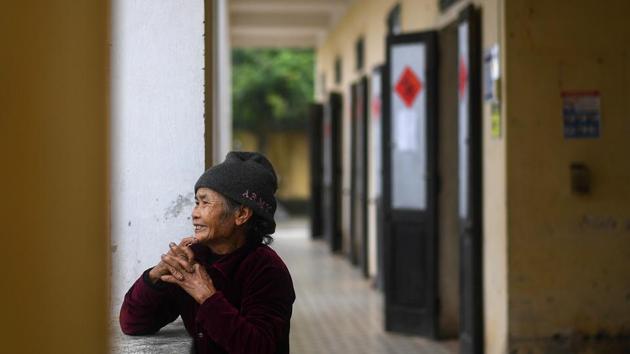
A leprosy survivor standing outside a room at the hospice. Some, like Hoa, have found companions in the centre. “It’s a source of encouragement and motivation and they can have a happier and better life,” said Nguyen Thi Thai, deputy director of the hospital where both her parents were once treated for leprosy. (Manan Vatsyayana / AFP)
11/11
 View Photos in a new improved layout
Updated on Jan 27, 2019 2:14 PM


