
 E-Paper



Photos: Young Chinese try to build a future in resource-rich Hegang
Li Hai is a nobody in China. But the 32-year-old ship mechanic became a minor internet sensation last month after posting a video of his everyday life in a largely forgotten coal city in the country's far north. Resource-rich cities like Hegang in Heilongjiang province helped power China's economic miracle. But as their coal, minerals and timber dwindled, their mines and industries declined. Populations shrank as the young fled south in search of jobs, opportunity and love. With China's economic growth at a 30-year nadir and living costs chronically high, cheap homes in hollowed-out cities are pulling a small tribe of frugal and independent-minded millennials to Heilongjiang.
Updated on: Jan 14, 2020 4:17 PM IST


Share via


Copy link

1/8
 View Photos in a new improved layout
Updated on Jan 14, 2020 4:17 PM
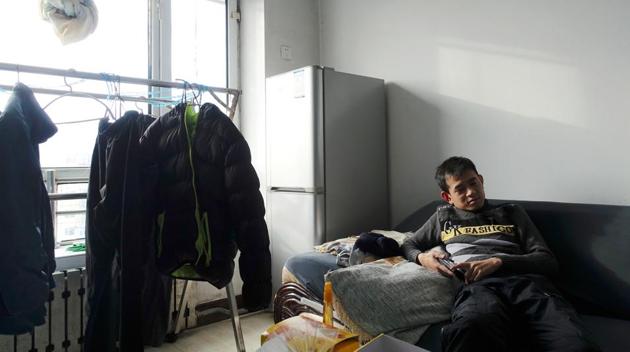
Ship mechanic Li Hai, 32, inside his flat during an interview with Reuters, in the coal city of Hegang, Heilongjiang province, northeast China. Li is a nobody in the country. But he became a minor internet sensation last month after posting a video of his everyday life in the largely forgotten coal city in the country’s far north. The country’s declining economy is driving some youth to settle in cities like Hegang. (Ryan Woo / REUTERS)
2/8
 View Photos in a new improved layout
Updated on Jan 14, 2020 4:17 PM
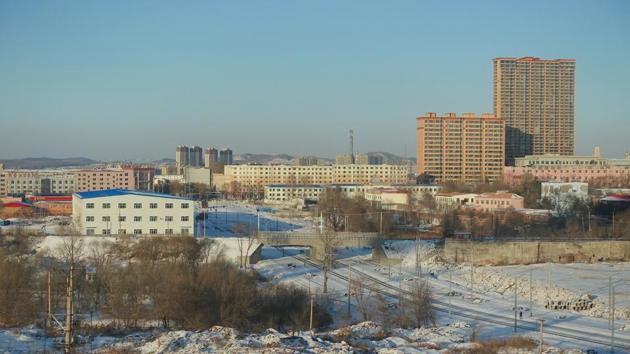
The coal city of Hegang covered in snow. Resource-rich cities like Hegang helped power China’s economic miracle. But as their coal, minerals and timber dwindled, their mines and industries declined. Populations shrank as the young fled south in search of jobs, opportunity and love. (Ryan Woo / REUTERS)
3/8
 View Photos in a new improved layout
Updated on Jan 14, 2020 4:17 PM
An icicle hangs off the window frame on a train heading to Hegang, Heilongjiang province. With China’s economic growth at a 30-year nadir and living costs chronically high, cheap homes in hollowed-out cities are pulling a small tribe of frugal and independent-minded millennials to Heilongjiang. (Ryan Woo / REUTERS)
4/8
 View Photos in a new improved layout
Updated on Jan 14, 2020 4:17 PM
The sun sets over snow-covered field as seen from a train heading to Hegang. Hegang was the cheapest real estate market among China’s 321 larger cities in 2019, a big attraction for Li when he was house-hunting last year. (Ryan Woo / REUTERS)
5/8
 View Photos in a new improved layout
Updated on Jan 14, 2020 4:17 PM
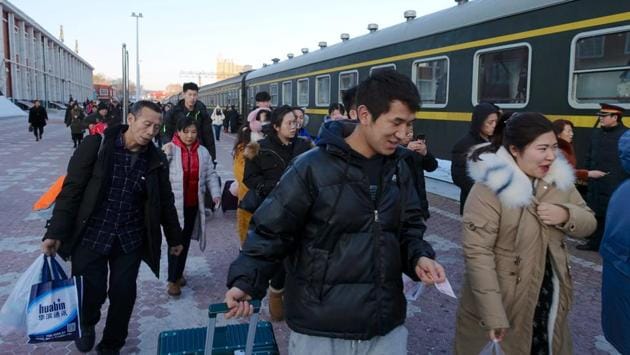
Passengers walk at a train station in Hegang. Li had few friends in his home city of Zhoushan 2,000km to the south. He had become estranged from his parents and his landlord was bent on raising his rent. Often out at sea for a stretch of six months, Li’s thinking was to build a base in Hegang and keep a lid on costs. (Ryan Woo / REUTERS)
6/8
 View Photos in a new improved layout
Updated on Jan 14, 2020 4:17 PM
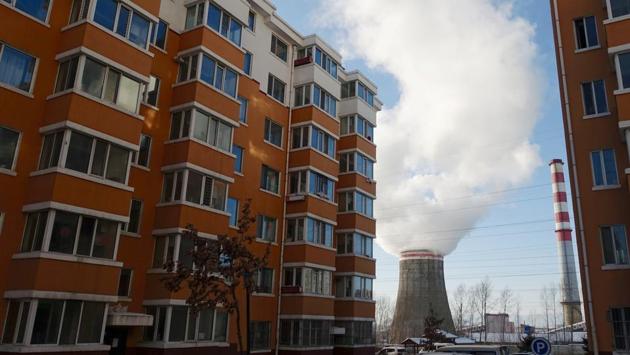
Smoke billows from a cooling tower of a thermal power plant near residential buildings in Hegang. “Many drifted here to buy homes as a fail-safe,” said Li, who paid 750 yuan ($100) per square metre for a top-floor flat in a low-rise housing estate. Apartments in Beijing cost 80 times more. (Ryan Woo / REUTERS)
7/8
 View Photos in a new improved layout
Updated on Jan 14, 2020 4:17 PM
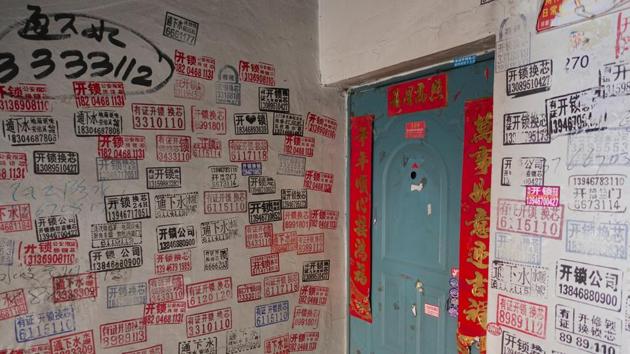
Advertisements fill the walls outside a flat at a residential compound in Hegang. Wary of frauds and tricksters, Li has few friends, who, like him, prefer not to go out. “You need money to socialise,” said Li, who earns 60,000 yuan ($8,640) a year. When not in bed with a novel, he would be posting positive product reviews online to get extra cash. (Ryan Woo / REUTERS)
8/8
 View Photos in a new improved layout
Updated on Jan 14, 2020 4:17 PM


