
 E-Paper



After a brief rise, enrolment rate in ZP schools in Pune district back to being low
In the academic year 2016-17, a number of facilities like computer laboratories, e-learning methods, English learning, solar classrooms, and more had led to an increase in the enrolment by 500 students. Failing to continue the progress, the graph showed a dip in the 2017-18 academic year by 1,076 students in Pune district alone.


In order to increase the enrolment rate in Zilla Parishad (ZP) schools, the state government had introduced a number of facilities in schools which had led to an increase in the number of students last year. However, a look into this year’s enrolment rates showed that the progress was short-lived.
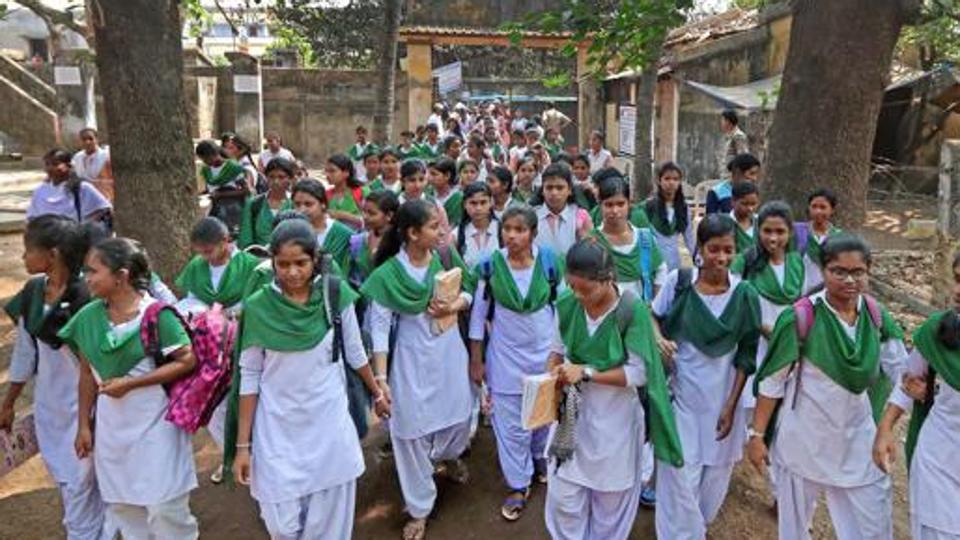
In the academic year 2016-17, a number of facilities like computer laboratories, e-learning methods, English learning, solar classrooms, and more had led to an increase in the enrolment by 500 students. Failing to continue the progress, the graph showed a dip in the 2017-18 academic year by 1,076 students in Pune district alone.
As opposed to the enrolment of 2,34,826 students in 2016, a total of 2,33,750 students have enroled this year in Pune district. The enrolment curve, however, has seen a downward trend since the last six years. According to experts, the reason behind the dip could be the choice of parents to provide private school education over public schools.
“While the efforts of the government to attract more students to government schools have shown results in the previous year, this year, it has fallen flat. The main reason behind this could be that parents continue to harbour the idea that quality education can be gained in private schools only.They are attracted to English-medium private schools. Plus, this year a sizable number of private schools have been sanctioned to be self-financed. However, a thorough survey needs to be done to understand the shortcomings, despite such promising schemes,” said education officer Mushtaq Shaikh.
Across the state, measures like activity-based learning along with special English sessions, handwriting improvement sessions and better infrastructure with solar classrooms and inverter to combat power cuts had been taken by the government over the past three years. Yet, the enrolment rate has come down by almost 1,500 students.
Enrolment over six years
2012: 2,46,765
2013:2,39,530
2014: 2,34,596
2015: 2,34,270
2016: 2,34,826
2017: 2,33,750


