
 E-Paper



Pune’s SRA projects suffer from poor planning and design says Pratima Joshi, co-founder, shelter associates
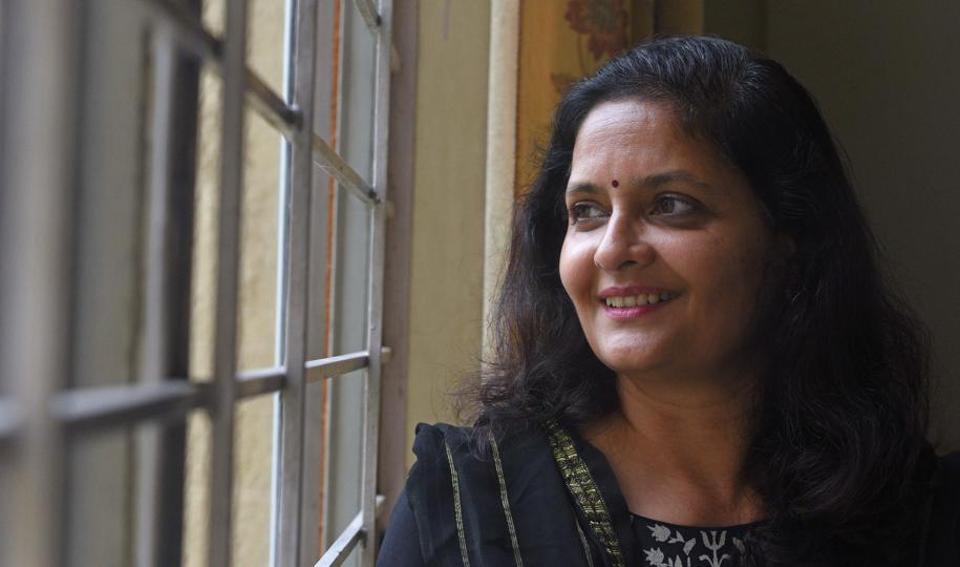
Pratima Joshi, co-founder, Shelter Associates, who has worked on housing and sanitation projects for slums spoke to Anjali Shetty on what needs to be done to improve the situation


What is your view on the buildings constructed under the Slum Rehabilitation Authority (SRA) scheme?
Typically, most of the SRA buildings are on private land. So you have a differential policy where major part of the project is for commercial activity and only a small area of 40 per cent has been let out for slum rehabilitation. This is the case across cities in Maharastra. The builders or consultants involved with the projects have no rapport with the slum dwellers. Thus leading to an unplanned and poorly designed property. The transition of the public from a slum to a high rise has to be smooth and undertaken in steps.
What do you think is wrong with the SRA scheme?
To start with, the lack of data and public involvement are major deterrents in this project. It is a non-inclusive process where the residents are not aware of what is happening. Their aspirations, lifestyle and livelihood has not been taken into consideration. Community mobilisation is missing. There is no effort taken to explain to them the demands of living in a high rise. There is no hand-holding or guidance. They are suddenly, just pushed into a huge space and expected to get used to everything.
What needs to be done to improve the situation?
The solutions implanted by the project are not sustainable. It is first important to collect data and work in a slum-by-slum approach. Land is precious and one has to optimise its use. SRA should have a neighbourhood approach, where they should see if they can combine nearby slums and work on existing land. Proper planning of waste management, common space maintenance and most importantly planning for space is necessary. Many of the families operate their livelihoods from their homes. So, they require planned spaces to continue it in a rehabilitated space.
Could you share some examples?
We have worked on housing projects in communities in Sangli, where the families were given a sense of ownership by involving them in the planning. Also, I believe no homes should be given away for free. If the family is asked to contribute then they become aware and try and put in their best to maintain the property.


