
 E-Paper



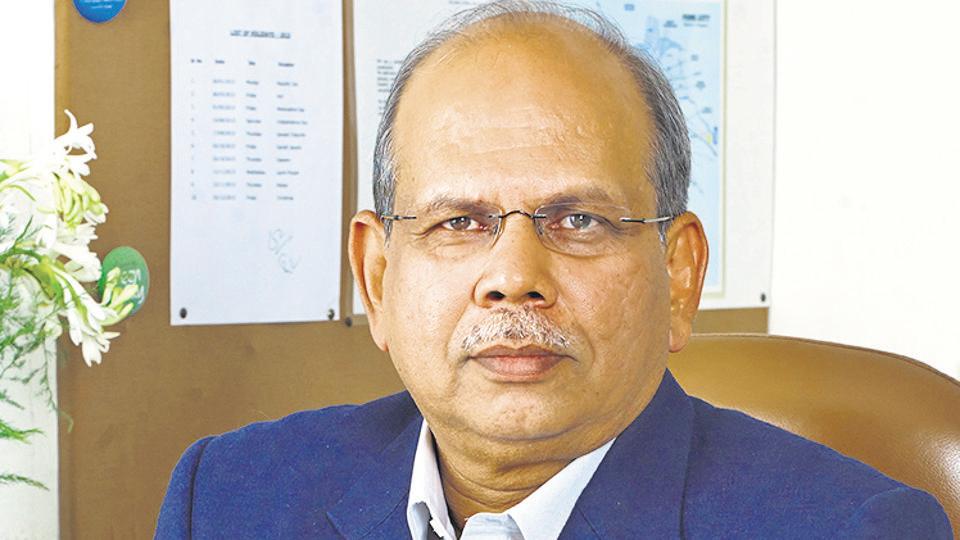
#puneonmymind: Townships are here to stay, says Satish Magar, CMD, Magarpatta township development
Townships are islands of excellence in a city. They cater to every need of a citizen through a planned model where the entire infrastructure, be it in physical or social space, is smoothly executed. A township will take into account every aspect of one’s life, workspaces, educational spaces and environment management.

 Prefer HTon Google


In my opinion townships are simply the extension of a city. It’s just that they are well planned compared to what exists. In the earlier days, the government implemented city development through town planning bodies; but now we have townships that are developed by private developers.
A township is a community living platform where the concept of walk-to-work can be implemented. Everything that families need is in close proximity from their homes – shopping malls, entertainment options, hotels, hospitals, schools, offices...
Townships also help in achieving sustainability and self-sufficiency. The test of sustainability of a city is based on a few parameters such as less use of vehicles, yet better access to commuting; efficient use of land, efficient use of resources, less pollution and waste; restoration of natural systems; good housing and living environments, healthy social ecology and so on.
Townships are, really speaking, islands of excellence in a city. They cater to every need of a citizen through a planned model where the entire infrastructure, be it in physical or social space, is smoothly executed. A township will take into account every aspect of one’s life, workspaces, educational spaces and environment management. All that is required for modern living is taken care of by a township.
Does this amount to passing on the civic responsibilities to the private sector? No, not really. These are initiatives by entrepreneurs to create smaller versions of a city. I think, in Pune we have the largest number of sanctioned townships - 20, if I am not mistaken. There is Blue Ridge, Life Republic, and many more in different stages of development. Our Nanded City has already completed 10,000 flats and we have moved on to our second phase. Townships are here to stay.
The difference between doing a real estate project and developing a township is that this really is an infrastructure project. You need a lot of investment for it. In a regular project you will tap the water or sewage line from the existing one. In a township you have to create one. You need really deep pockets for this. And the government policy too promotes townships. The government wants to be a facilitator to private enterprise. Though, of course, there are some ground rules.
The government has made it possible to get 100% foreign direct investment (FDI) for integrated township projects. Non-agriculture permission will be automatic. Townships have floating floor space index (FSI) where unused FSI of one plot can be used anywhere in the township. Stamp duty is 50% of prevailing rates and so on. However, there are responsibilities too. A developer has to provide basic infrastructure and all amenities are to be an integral part of the project. There has to be the creation and maintenance of 15% green cover, of the minimum residential area cover of 60%. A minimum of 10% has to be reserved for low-income housing.
Besides this, you also have to develop systems in place that will take care of the infrastructure that you have built. People not only have homes to live in, but have everything that one needs in life. They also have built-in workspaces. Twenty per cent of a township is earmarked for commercial space. Townships are built to provide housing to the middle-income group. Townships enable development of sustainable cities.


