E-Paper



Guinness World Records checks evidence, measurements and official guidelines before certifying a record
From witness statements to video evidence, Guinness World Records has specific rules for verifying achievements.

 Prefer HTon Google


Guinness World Records recognises extraordinary achievements across the world, from unusual collections to record-breaking feats. But how does an achievement qualify for an official world record? The process involves more than completing a challenge or sharing proof online. Here’s what goes into getting a record recognised.
What makes an achievement eligible for a world record?
According to Guinness World Records, a record must meet several criteria. It must be measurable, verifiable, breakable and standardisable, meaning other people should be able to attempt it under the same conditions.
The achievement must also focus on one clear variable, such as the fastest time, greatest height or largest number of items collected. Claims based on subjective opinions, such as being the most talented or beautiful, are not accepted.
Guinness World Records also assesses whether a proposed title is substantially different from existing records. An unusual idea is not automatically eligible simply because nobody has attempted it before.
(Also Read: Beyoncé’s mother Tina Knowles started a salon to support her children. Years later, she built a beauty business)
How does the verification process work?
The process begins with an application. Anyone interested in setting or breaking a record must apply through the Guinness World Records website and wait for the organisation to assess the proposal.
If the application is accepted, the applicant receives specific guidelines explaining the rules of the attempt, how the achievement will be measured and what evidence must be submitted.
Following these instructions is essential. An attempt that fails to meet even one of the required conditions could be rejected, regardless of how impressive the result appears.
According to the organisation's evidence submission guidelines, applicants must provide supporting documentation, including witness statements and relevant photographs or video recordings. Every attempt requires at least two witnesses, while records involving speed or time also require appropriate timekeeper statements.
The evidence is then reviewed by the Records Management Team, which checks whether the achievement meets the requirements. Applicants cannot assume that a record has been recognised simply because they believe they have broken it.
(Also Read: Indian founder recounts Bali ‘nightmare’ amid fuel crisis, shares advice for tourists)
Does Guinness World Records send officials to every attempt?
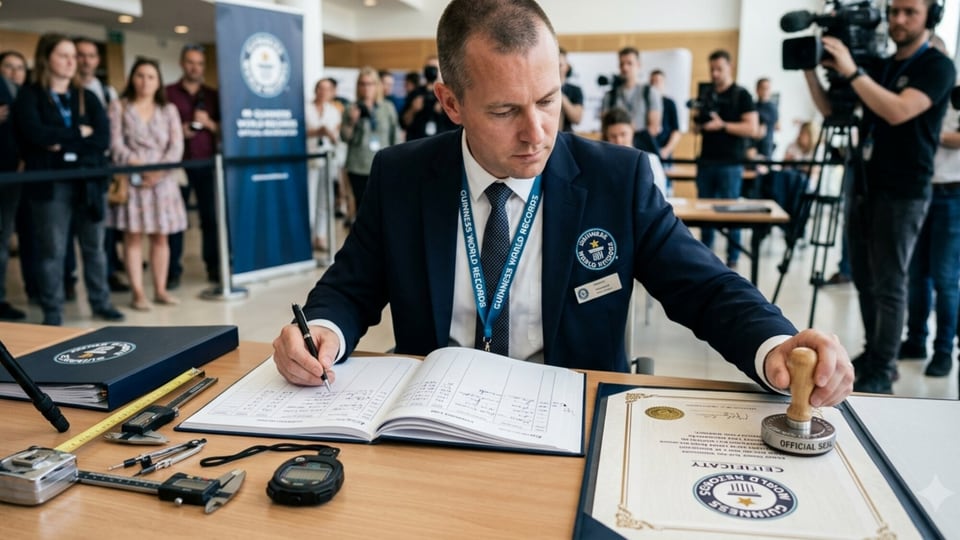
No. Most records are verified through evidence submitted online. However, applicants can arrange for an official Guinness World Records adjudicator to attend an event through a paid service.
An adjudicator checks whether the rules are being followed, reviews measurements and evidence, and announces the result if the attempt is successful.
Ultimately, the process is designed to ensure that every recognised record can be supported by evidence, measured fairly and challenged by someone else in the future.