
 E-Paper



From world's third-highest peak to beautiful monastery: Inside Khangchendzonga National Park in Sikkim, a UNESCO World Heritage Site

 Prefer HTon Google


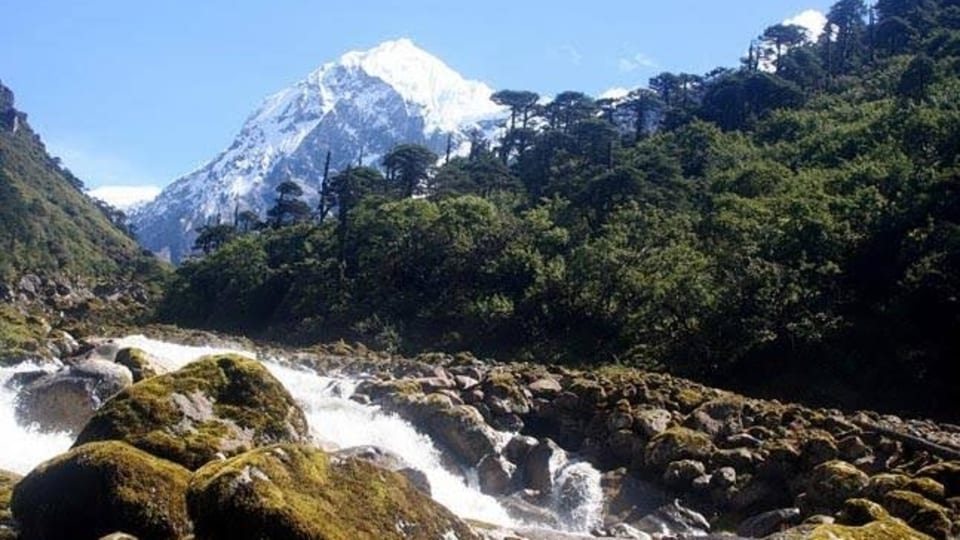
Home to the world's third-highest peak, magnificent glaciers and sacred monasteries, Khangchendzonga National Park is a Himalayan wonder worth exploring.
Imagine standing amidst towering Himalayan peaks, surrounded by pristine lakes, awe-inspiring glaciers and lush forests. Add to this the spiritual significance of the landscape, and you have Khangchendzonga National Park in Sikkim, a destination that offers an extraordinary blend of natural beauty and cultural heritage.
Recognised as a UNESCO World Heritage Site, the park covers an area of 1,784 square kilometres. Its dramatic landscape stretches from lowland areas and steep valleys to snow-covered mountains, including Mount Khangchendzonga, the world's third-highest peak. (Also read: Step inside a world of whimsical cottages and holistic healing at this 51-acre regenerative wellbeing sanctuary on the outskirts of Pune )
According to Incredible India, the park is home to approximately 19 Himalayan mountain peaks, 18 glaciers and 17 alpine lakes, making it a fascinating destination for nature lovers and adventure enthusiasts.
A landscape of extraordinary beauty
Khangchendzonga National Park is home to the magnificent Khangchendzonga Massif, along with several other towering peaks that dominate the Himalayan skyline.
The park's rugged terrain, glaciers, tranquil lakes and dense forests create a landscape that changes dramatically with altitude. From deep valleys to snow-covered mountain slopes, every part of the park offers a glimpse of the extraordinary diversity of the Himalayan environment.
Among its natural wonders is the Zemu Glacier, which stretches for approximately 26 kilometres and is one of the region's most remarkable geographical features.
For nature lovers, the park is a destination where the grandeur of the mountains meets the tranquillity of the wilderness. Its vast stretches of old-growth forests and remarkable collection of flora and fauna make it an important natural habitat and a fascinating place to explore.

A haven for rare wildlife
Beyond its spectacular scenery, Khangchendzonga National Park is recognised for its rich biodiversity. Its varied habitats support several rare and endangered animal species, making it an important destination for wildlife enthusiasts.
According to Incredible India, the park is home to animals such as the elusive snow leopard, red panda, Himalayan tahr, blue sheep, musk deer and Tibetan wolf.
Visitors may also find a variety of bird species, including the Himalayan monal and grey peacock pheasant, adding to the park's ecological significance.
The diversity of wildlife, combined with its extraordinary mountain landscapes, makes the park a remarkable example of the natural richness of the Eastern Himalayas.
A sacred landscape with deep cultural significance
Beyond its spectacular scenery, Khangchendzonga National Park holds immense spiritual significance for the people of Sikkim.
The mountain landscape is revered by several religious and cultural communities. For Buddhists, the region is associated with the concept of Beyul, or a sacred hidden land. The Lepcha community reveres it as Mayel Lyang, a sacred ancestral homeland.
These beliefs reflect the deep connection between the people of Sikkim and their natural surroundings. The mountains, forests and lakes are not merely geographical features but are also an integral part of the region's cultural identity.
The coexistence of different religious traditions and ethnic communities has helped shape the unique cultural heritage of Sikkim, making the park significant not only for its natural beauty but also for its contribution to the state's identity and unity.
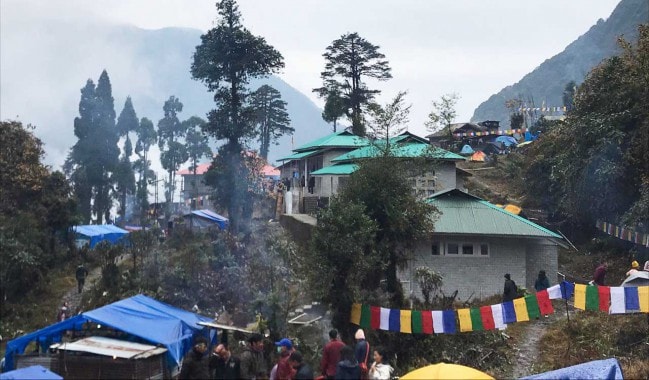
Discover Tholung Monastery
Adding to the park's spiritual appeal is Tholung Monastery, located in its buffer zone. The monastery offers visitors an opportunity to experience the region's Buddhist heritage while exploring its tranquil natural surroundings. Its peaceful setting reflects the close relationship between spirituality and nature that defines much of Sikkim's cultural landscape.
For travellers seeking a deeper connection with the region, a visit to the monastery offers a glimpse into the traditions and beliefs that have shaped the identity of the local communities.
A destination for adventure seekers
Khangchendzonga National Park also offers opportunities for adventure and exploration. Its rugged terrain and mountain trails make it a popular destination for trekking enthusiasts. Visitors can explore its scenic trails, discover hidden paths and enjoy panoramic views of the Himalayan mountain ranges.
Camping under the stars and waking up to the sounds of nature can add another dimension to the experience, allowing visitors to appreciate the park's wilderness and tranquillity.
The surrounding region also offers opportunities to explore other cultural and natural attractions, including Sang Choeling Monastery, Pemayangtse Monastery, Khecheopalri Lake and Kanchenjunga Waterfalls.


Catch your daily dose of Fashion, Taylor Swift, Health, Festivals, Travel, Relationship, Recipe and all the other Latest Lifestyle News on Hindustan Times Website and APPs.


