
 E-Paper



India's largest Buddhist monastery is in Arunachal Pradesh: At 10K feet, Tawang Monastery has 65 residential buildings

 Prefer HTon Google


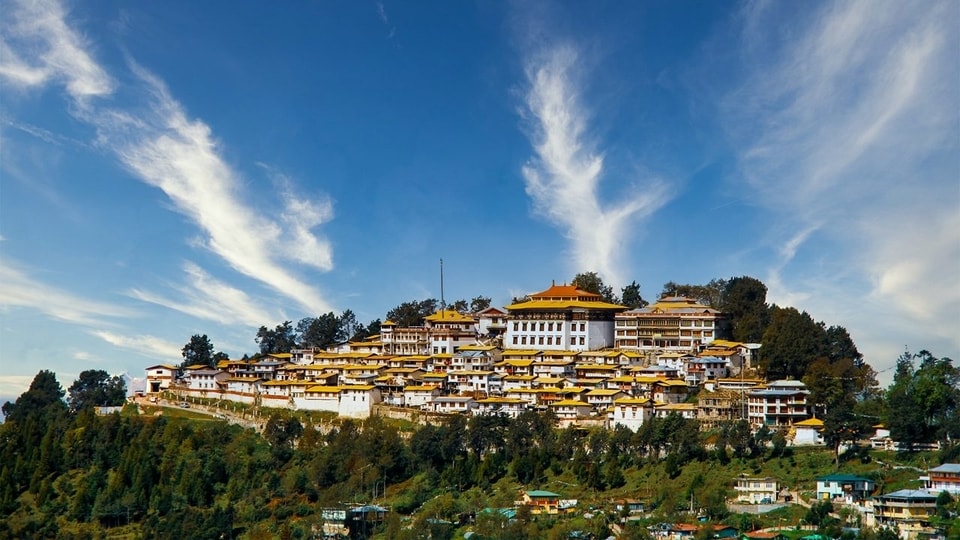
Founded in 1681 by Merak Lama Lodre Gyatso, Tawang Monastery is India’s largest monastery, perched above 10,000 feet in Arunachal Pradesh.
Imbued with a sense of mystique and charm, every corner of the high-altitude Buddhist mountain town of Tawang in Arunachal Pradesh is incredibly stunning. From its towering peaks to its serene monasteries, Tawang is where culture and tranquillity meet adventure amid gorgeous nature.
One of the most stunning architectural marvels here is the Tawang Monastery, a magnificent, divine symbol of Mahayana Buddhism. Nestled in the majestic eastern Himalayan range, it is also India's largest monastery.
Tawang Monastery: India's largest monastery
According to Incredible India, Tawang Monastery is the largest monastery in India and was founded in the 17th century by Merak Lama Lodre Gyatso in accordance with the wishes of the fifth Dalai Lama. It is also known as Gaden Namgyal Lhatse, which means ‘the divine paradise of complete victory’.
Established in the latter part of 1681, the monastery is situated at an elevation of over 10,000 feet and overlooks the picturesque Tawang Valley. It is a three-story-high architectural marvel. The monastery is enclosed by a 925-foot (282 m) long compound wall and consists of 65 residential buildings. Its library houses valuable old scriptures, mainly Kangyur and Tengyur.
The colourful gate
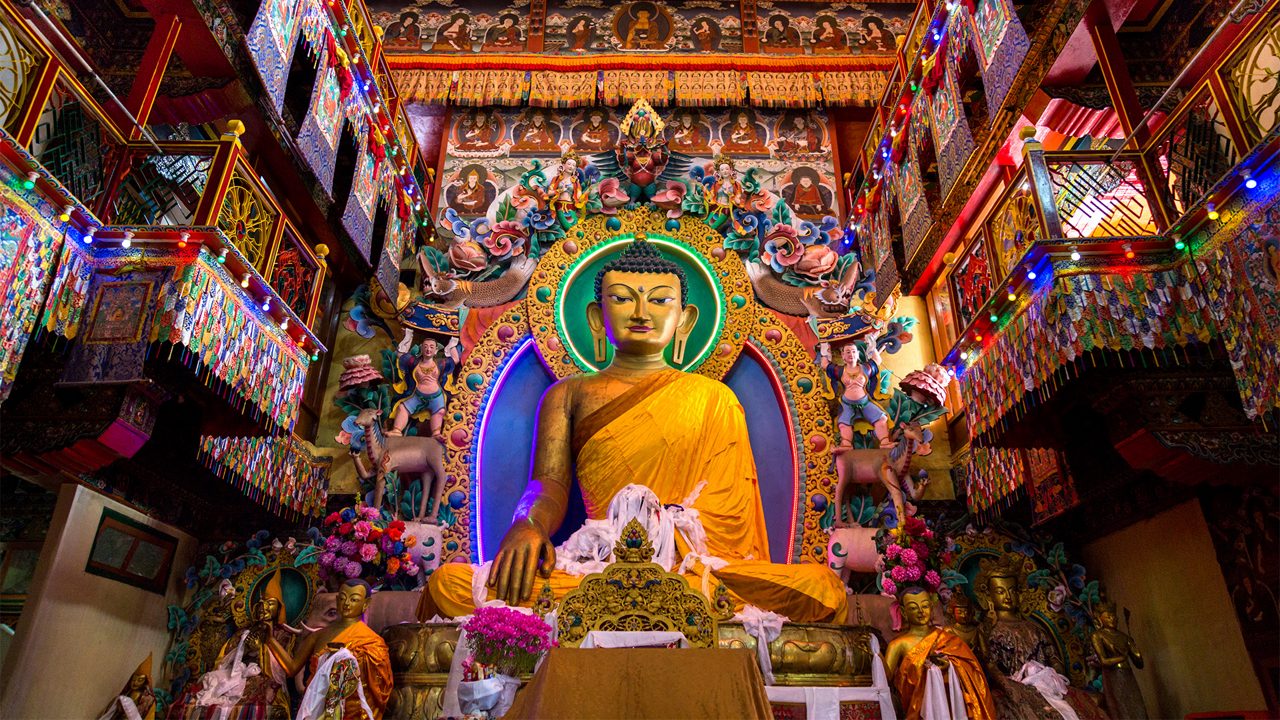
According to Incredible India, the entrance of the monastery features a colourful gate structure known as the Kakaling. It is shaped like a hut and has side walls made of stone masonry. The roof of the Kakaling is decorated with mandalas, and the interior walls are adorned with murals of divinities and saints.
The monastery also has a printing press that produces religious books using locally made paper and wooden blocks. These books are primarily used by literate Monpa Lamas (spiritual leaders and monks from the indigenous Monpa community of Arunachal Pradesh) to conduct religious rituals. The library, located on the entire second floor, houses scriptures such as Gyetengpa, Doduipa, Mamtha, Kangyur, Tengyur, and Zungdui that have been affected by insect infestations.
The origins
According to scriptures and information shared by Incredible India, there are three origin stories associated with the Tawang Monastery. The most popular of them all states that the present Monastery's location was chosen by a horse belonging to Merak Lama Lodre Gyatso.
Merak Lama Lodre Gyatso was on a mission assigned to him by the 5th Dalai Lama to establish a monastery. After an intense search for a suitable place, he retired to a cave to offer prayers, seeking divine intervention to guide him in choosing the site. When he came out of the cave, he found his horse missing.
He went in search of the horse and finally found it grazing at the top of a mountain called Tana Mandekhang. In the past, it was the palace of King Kala Wangpo.
Merak Lama Lodre Gyatso took this as divine guidance and decided to establish the monastery there with the help of the local people.


Catch your daily dose of Fashion, Taylor Swift, Health, Festivals, Travel, Relationship, Recipe and all the other Latest Lifestyle News on Hindustan Times Website and APPs.


