
 E-Paper



Sanjay targets Majithia on drug menace in Punjab ‘despite case’
While addressing a gathering at Talwandi Sabo during the party’s Baisakhi mela rally, Punjab Aam Aadmi Party (AAP) affairs in-charge Sanjay Singh again alleged that Shiromani Akali Dal (SAD) minister Bikram Singh Majithia was behind the drug menace in the state.

 Prefer HTon Google


While addressing a gathering at Talwandi Sabo during the party’s Baisakhi mela rally, Punjab Aam Aadmi Party (AAP) affairs in-charge Sanjay Singh again alleged that Shiromani Akali Dal (SAD) minister Bikram Singh Majithia was behind the drug menace in the state. He said that he was “not afraid” despite a defamation case against him by Majithia.
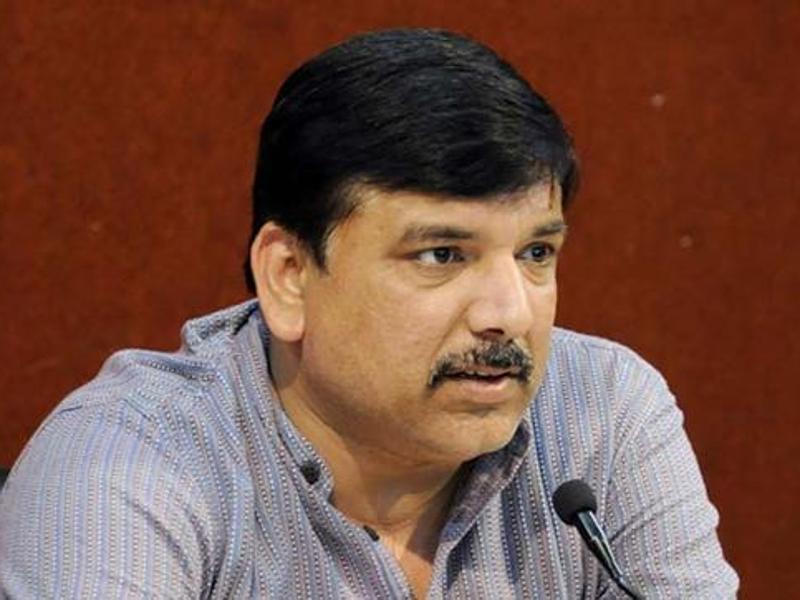
In a fiery speech, Singh said, “he has filed a case against me. But I repeat that once we come to power, we will hold Majithia by the collar and put him in jail for spreading drug abuse. This is no time to be afraid; this is the time to fight.” He also cited a host of examples of nepotism in politics from RJD’s Lalu Prasad Yadav to SP’s Mulayam Singh Yadav and down south, besides the Badals. He said the country had two big “jumlebaaz” (false-promise-making) politicians, one was PM Narendra Modi and the other Sukhbir Singh Badal. “Sukhbir says he will run buses in on water, hold meetings on Mars!”
Jarnail counters ‘piao’ allegation, blames BJP
AAP’s Delhi MLA Jarnail Singh, in his speech, sought to debunk the SAD’s blame on the Kejriwal-led Delhi government for the demolition of piao (water kiosk) outside Gurdwara Sis Ganj in Delhi, underlining that the BJP ruled the municipal corporation of Delhi and the Modi government controlled the police in the capital. “All papers, minutes of the meeting, show that the Delhi government actually was never in favour of any such demolition. It’s the BJP that did it after court orders; even the SAD-controlled DSGMC did not argue in court against it.” He said the petition that led to the demolition had been filed by Manushi, an organisation run by Modi sympathiser Madhu Kishwar. “I challenge Parkash Singh Badal to ask his daughter-in-law Harsimrat Kaur Badal to resign as central minister on the issue since SAD is a partner of the BJP.”


