
 E-Paper



Earthquake hits Delhi-NCR: Essential tremor safety checks before buying an apartment in a high-rise building
After a 4.4-magnitude earthquake shook Delhi-NCR, structural safety experts say buyers must verify the tremor resilience of high-rise buildings before investing

 Prefer HTon Google


A 4.4-magnitude earthquake shook parts of Delhi-NCR on July 10, according to initial reports from the National Center for Seismology. The epicentre was located in Jhajjar, Haryana, at a depth of 10 kilometres. Tremors were felt in Delhi, Noida, Ghaziabad, Gurugram, and Faridabad, as per reports.
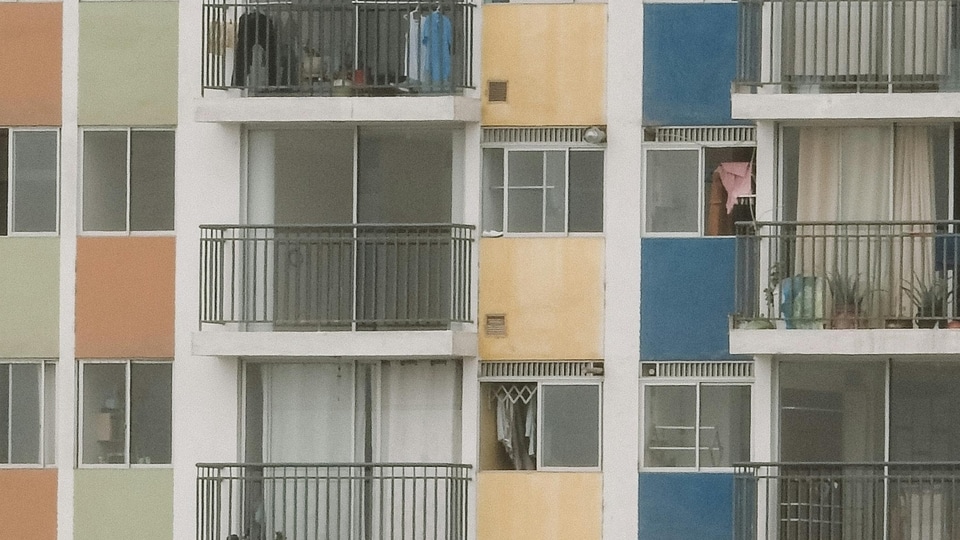
With Delhi-NCR increasingly becoming a hub for high-rise developments, some reaching 30 floors or more, structural design experts advise residents and prospective homebuyers to understand the nuances of structural safety.
While many buildings claim compliance with seismic norms, structural engineers caution that terms like ‘designed to Zone 4 or Zone 5 standards’ refer only to seismic hazard zones, not the actual earthquake resilience of the structure, they say.
Experts say that buyers should ensure that the ‘earthquake-resistant’ label is not just a marketing gimmick but backed by facts and proper documentation. These often indicate that the building merely complies with minimum regulatory requirements, not that it can withstand a major quake without damage.
What to check before buying an apartment in a high-rise building
According to Abhay Gupta, director at Skeleton Consultants Pvt Ltd, real estate ads that claim a project is ‘earthquake-resistant’ should back it up with key technical details. These include the name of the structural designer, the relevant IS code number, and a clear declaration that the building has been designed for Earthquake Zone 4.
“An architect alone is not responsible for the strength and durability of a building,” Gupta explains. Buyers should ask for the building’s soil report, structural drawings, and design documents to properly assess its safety.
Before booking a flat, prospective buyers should find out who the structural and soil consultants are for the project. Gupta also recommends verifying construction quality, something that can be done by hiring a structural expert. The cost can range from ₹25,000 for an individual flat to a few lakhs for an assessment of the entire building, if done collectively by residents.
Structural safety: What homebuyers residing in high-rises must know
Concrete buildings typically have a lifespan of about 50 years, but due to the quality of materials used, deterioration can begin as early as 15 to 25 years. This is why, according to Gupta, RERA should mandate structural inspections for group housing projects after 10 years of completion and at five-year intervals thereafter.
Also Read: Fire safety in high-rise buildings: 12 things residents should know
If you're planning to buy an apartment on a higher floor, especially above the 20th floor, Gupta advises checking whether key IS codes such as 16700, 456, 1893, and 13920 have been followed. These codes govern the structural safety and design of high-rise buildings, particularly those over 50 metres in height.
He also stresses the importance of testing for building movement. Wind force has a significant impact on high-rises, and lateral sway during an earthquake can be substantial. This is why loose furniture is often discouraged on upper floors.
Another important, yet often overlooked, indicator of quality is the windows. “Check for any humming or whistling sounds,” Gupta suggests. That’s a simple way to assess how well-sealed and structurally stable they are, especially critical during high winds or tremors.


