E-Paper



From ₹60,000 to ₹25 crore: Here's why buyers are betting big on farmlands in high-growth corridors
Farmland investments can deliver strong returns, especially in rapidly urbanising areas, with location and infrastructure connectivity playing a key role

 Prefer HTon Google


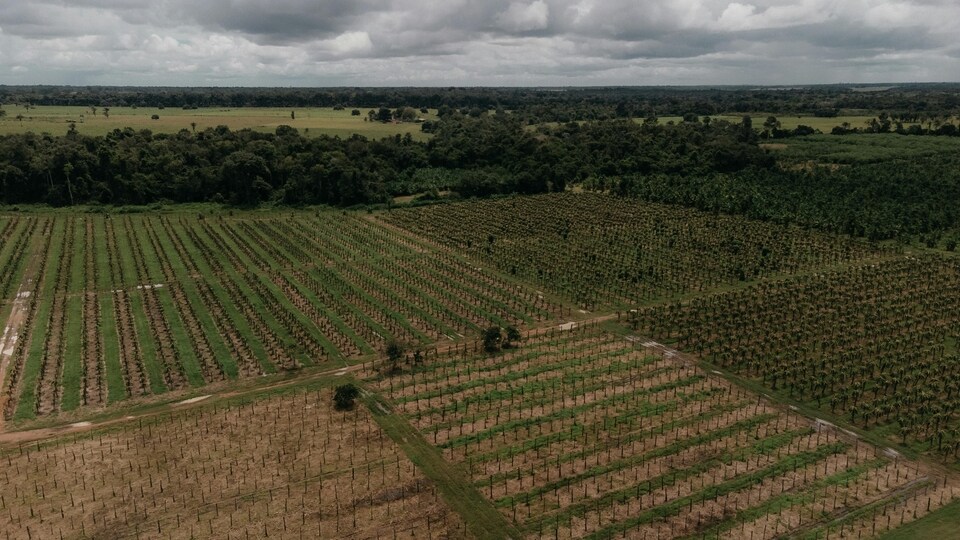
In a now-viral X (formerly Twitter) post, stock market trader Swapnil Kommawar revealed that his uncle once bought four acres of land in their hometown for just ₹60,000. As the area grew into a full-fledged district, the land’s value skyrocketed, with retail giant DMart acquiring two acres of the plot for ₹25 crore. Such stories of modest land purchases turning into multi-crore windfalls highlight the long-term potential of real estate, especially in rapidly urbanising regions. Experts note that while farmlands can indeed become real estate jackpots, the extent of appreciation largely depends on the plot’s location and connectivity to infrastructure.
Also Read: How farmlands turned into a real estate jackpot — no trading, no flipping, just patience and timing
Patience and location drive returns
In Kommawar’s example, the remaining land retains its value. At the proceeds from the partial sale have been reinvested into fixed deposits, reportedly generating a steady monthly income, the user wrote on X.
A similar pattern emerges from another Reddit anecdote: a Delhi-NCR family purchased 3 bighas of farmland in Noida for ₹6 lakh nearly 2 decades ago. Over time, the land was acquired by the authority, with compensation payouts rising from ₹23 lakh in 2009 to an additional ₹15 lakh in 2013 after revision.
Instead of liquidating gains, the family reinvested the proceeds into a residential plot in Greater Noida West and farmland near the upcoming Noida International Airport. Today, these assets are estimated to be worth over ₹5 crore, the Redditor said.
Plotted developments gain traction among long-term investors
Real estate experts say that investing in land continues to appeal to buyers seeking long-term optionality, be it for future construction, capital preservation, or eventual resale gains. Unlike built properties, plotted assets typically do not generate immediate rental yields, but they have historically delivered stronger capital appreciation over longer holding periods, market observers note.
“Returns in land investments are fundamentally driven by micro-market dynamics and developer quality,” Manjesh S Rao, Chief Real Estate Officer at BrokerInBlue, said. He also said that buyers should prioritise well-planned, gated layouts with strong connectivity and essential infrastructure, as these are more likely to sustain long-term appreciation.
Buyers should also exercise caution
Experts caution that while farmland can deliver outsized returns, it comes with a distinct set of risks, particularly around documentation and legal clarity. Ensuring a clean and marketable title remains one of the biggest challenges for buyers, often requiring detailed due diligence before any transaction.
“Clear title verification is critical in farmland deals, as ownership records can sometimes be fragmented or unclear,” Sunil Singh, director at Realty Corp, said. He pointed out that location plays an equally important role, with parcels closer to infrastructure corridors and within an accessible distance of urban areas centres commanding stronger long-term appreciation.
According to Singh, farmland within a 100-km radius of Bengaluru is now priced at ₹1–2 crore per acre, reflecting heightened investor interest following regulatory changes that allow individuals to purchase agricultural land. “Earlier, restrictions limited participation, but with policy easing, demand has increased significantly, pushing up prices,” he noted.
He emphasised that investors need a long holding horizon to realise meaningful gains. “If someone is buying land at around ₹1 crore per acre today, it could take 10–15 years to scale that into ₹15–20 crore, depending on how the surrounding infrastructure develops,” he said.
Citing recent transactions, Singh pointed to deals in Chikkaballapur, where farmland purchased at around ₹90 lakh per acre a few years ago is now valued at approximately ₹2.5 crore per acre. He said that road access is another key factor, recommending plots close to at least 40-foot-wide roads that can be expanded in the future, further enhancing land value.
(Disclaimer: This report is based on user-generated content from social media. HT.com has not independently verified the claims and does not endorse them.)