E-Paper



Moving to Bengaluru? Here’s what to consider before choosing between coliving and standalone paying guest accommodation
Bengaluru real estate: Experts say the choice between PG and coliving depends on lifestyle preferences and budget, with PGs typically being more affordable

 Prefer HTon Google


Bengaluru’s paying guest accommodation market is in crisis, battered by IT sector layoffs and stringent Bruhat Bengaluru Mahanagara Palike (BBMP) regulations. Many operators have reported losses of up to 30%, with areas like Mahadevapura and Marathahalli seeing widespread shutdowns. As a result, students and professionals are left scrambling for affordable housing in a city where conventional rents continue to rise.
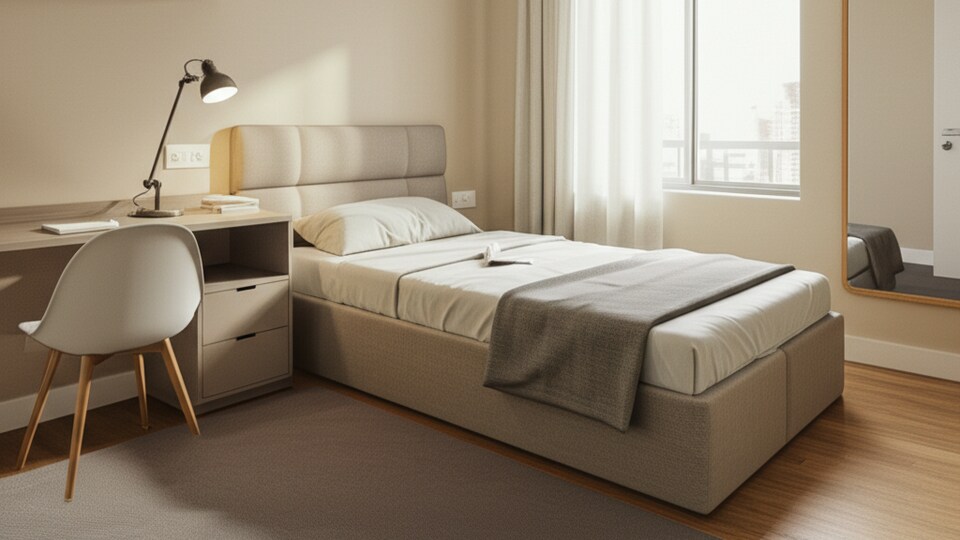
Yet, Bengaluru continues to draw students and working professionals from across the country, all in need of budget-friendly accommodation. Increasingly, the choice comes down to traditional standalone PGs versus modern coliving spaces.
For Kishan Sharma, a student who recently moved to Bengaluru, renting and setting up an entire apartment feels both unnecessary and burdensome. Instead, he's searching for PG accommodation that fits his lifestyle. “I’m looking for a PG in Bangalore with a quiet environment, something that helps me focus on studying and job hunting,” he said. “A washing machine, reliable Wi-Fi, and good food are must-haves.”
Like Sharma, many newcomers find themselves choosing between coliving spaces and traditional standalone PG accommodations, weighing which offers better value. According to experts, the decision largely depends on individual lifestyle preferences, budget, and long-term plans. While PGs are generally more affordable, coliving spaces appeal to those seeking enhanced comfort, privacy, and a stronger sense of community.
Also Read: Bengaluru’s paying guest crisis: Why over 200 PGs have shut down, leaving owners with 20–30% losses
Price plays an important factor
In sought-after neighbourhoods such as Koramangala and Indiranagar, standalone PG monthly rentals typically range from ₹8,000 to ₹13,000. A two-sharing room in a standard PG set-up in these areas may cost around ₹8,000, while a single occupancy room can go up to ₹12,000–14,000.
"For those looking at more budget-friendly accommodations, PGs in Bengaluru’s outskirts of areas like Whitefield, Electronic City, and Yelahanka, the rentals can start as low as ₹5,000 per month," Sukhi Seo, secretary of the Bengaluru PG Owners' Association, said.
However, local brokers point out that rents for coliving accommodation typically start from ₹10,000 to ₹14,000 per room, slightly higher than conventional PG.
For example, on a platform like Zolo Stays, a private room in Koramangala starts from ₹17,000 and a two-sharing starts from ₹9,800 onwards. On other platforms, like Stanza Living, a two-sharing room in the same area starts at ₹15,000 per month, while single occupancy can reach almost ₹25,000 per month.
Also Read: BBMP shuts down 21 PGs in Bengaluru over safety violations in city-wide drive: Report
Coliving units operate like serviced apartments
Real estate experts say that while traditional PGs remain the more affordable option, coliving spaces have grown in popularity among those seeking a community-oriented living environment. Unlike PGs, coliving setups often allow co-ed living, attract working professionals, and operate more like serviced apartments.
“Coliving options usually include housekeeping, Wi-Fi, laundry, and access to shared spaces like gyms, lounges, and gaming areas,” said Kiran Kumar, vice president at Hanu Reddy Realty. “You’re paying for convenience and a more community-driven living experience.”
For a basic PG, essential amenities like Wi-Fi, home-cooked meals, washing machines, and a community kitchen are provided, Seo said. Some PGs even have community fridges for shared use, offering flexibility for residents who prefer to cook on their own, she said.
Also Read: Coliving segment to add 1 million beds by 2030: Colliers report
So, what should you choose?
Standalone PG accommodation provides essential amenities like Wi-Fi, home-cooked meals, washing machines, and a community kitchen. Some even have community fridges for shared use, offering flexibility for residents who prefer to cook on their own.
“They’re budget-friendly, offer basic services like meals and Wi-Fi, and don’t require heavy documentation or long-term commitments," Kumar said.
However, working professionals, particularly those in the tech and startup sectors, are increasingly leaning toward coliving spaces as a middle ground between PGs and renting a full-fledged apartment. Many of them prefer the comfort, flexibility, and curated lifestyle offered by co-living operators, despite the higher rent.
“For professionals who don’t want the responsibilities of renting and furnishing an entire flat, coliving is becoming an attractive option,” Kumar said. “They pay a bit more, but they get better amenities, privacy, and a modern living experience without the need to deal with landlords or maintenance issues.”