E-Paper



In 1949, Marion Island brought in five cats to fight mice; within decades, 2,000 were killing 450,000 seabirds each year
Five cats introduced to control mice multiplied into thousands, creating a major predation threat for Marion Island's seabirds.

 Prefer HTon Google


In 1949, five cats were brought to sub-Antarctic Marion Island to control the population of mice. The plan addressed one problem but eventually created another, as the cats established a feral population that preyed heavily on seabirds. By 1977, the number of cats had grown to about 3,400, according to the study Control of feral cats on sub-Antarctic Marion Island, Indian Ocean, published in Biological Conservation in 1992.
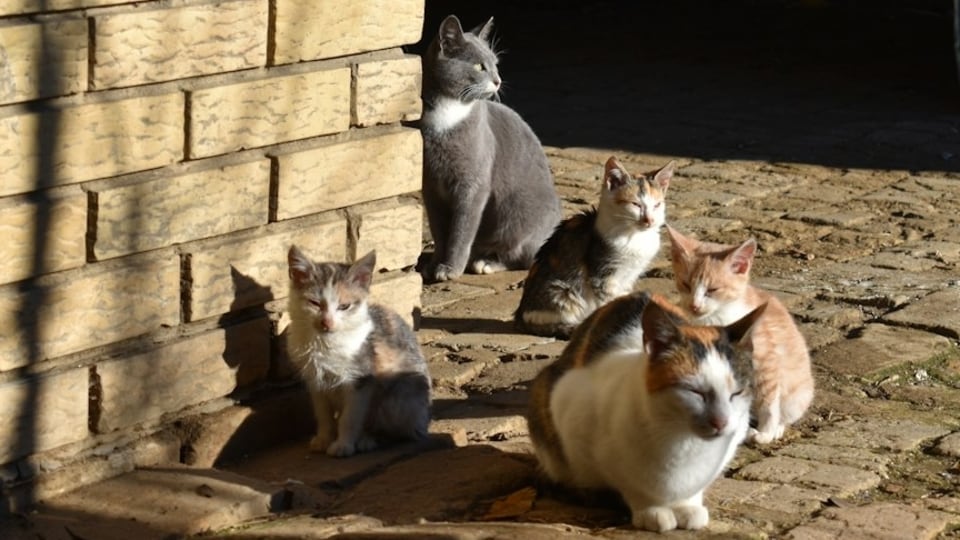
The paper by J.P. Bloomer and Marthán N. Bester examined the effort to bring the population under control. The campaign eventually combined several methods. An attempt was made to reduce the cats using feline panleukopenia virus, followed by hunting, trapping, and other control measures. The researchers' account of the eradication program shows how the approach had to change as the cat population became harder to reduce.
From five cats to thousands
Marion Island covers about 290 square kilometers and is an important breeding ground for seabirds, including burrowing petrels. As the feral cat population expanded, birds nesting on or below the ground became vulnerable to predation. The 1992 paper reports that 872 cats were shot and another 80 were trapped during 14,725 hours of hunting between 1986 and 1990. As hunting became less effective, trapping was added to the program.
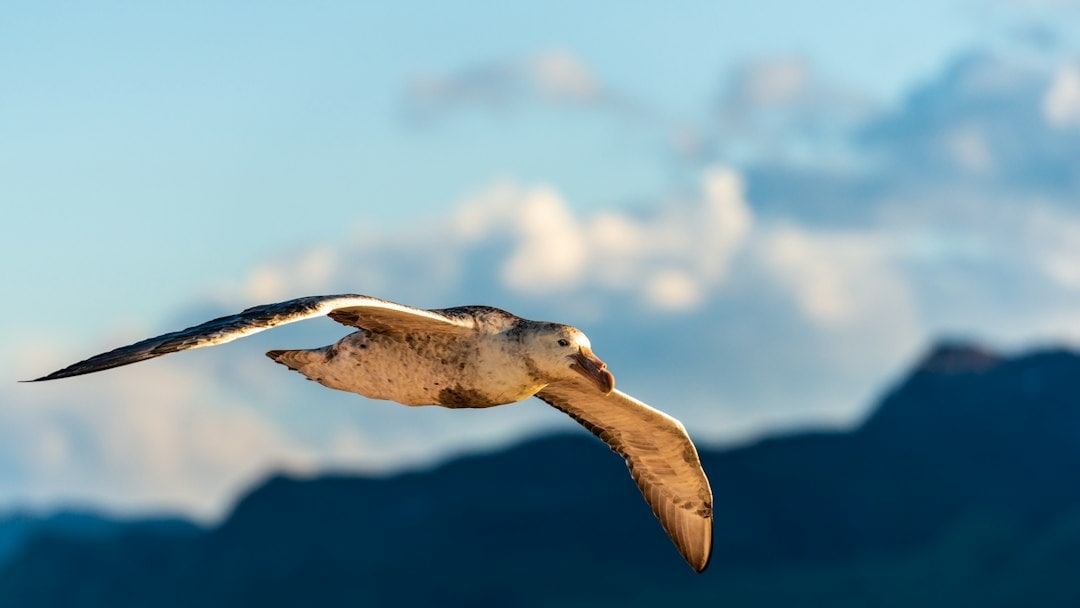
The scale of the problem is also reflected in the Polar Biology paper. Ben J. Dilley, Michael Schramm and Peter G. Ryan noted that the cats had reached an estimated 2,000 animals by the 1970s and were killing about 450,000 seabirds each year. The researchers said this predation had greatly reduced burrowing petrel populations.
The cats were eventually eradicated in 1991. Their removal took away a major source of predation, but the seabirds did not immediately return to their earlier numbers. The later study set out to examine how petrel populations had changed after the cats disappeared.
After the cats were gone
To examine the response of the petrels, Dilley, Schramm and Ryan repeated the sampling approach used in an earlier survey. In 2013, they systematically searched 741 sample quadrats measuring 10 by 10 meters in the northeastern part of Marion Island. The researchers compared those measurements with data collected in 1979.
The survey found that the density of utilized petrel burrows had increased by 56% since 1979. White-chinned petrels showed the greatest increase, while the response varied among species. The researchers had expected a much larger increase in petrel numbers after more than two decades without cats, but the measured recovery was relatively modest.
House mice remained on Marion Island after the cats were eradicated, and the study identified mouse predation as the most likely explanation for the limited recovery of the petrel populations. Smaller summer-breeding species showed smaller recoveries, while winter-breeding species also recorded limited increases in burrow density.
That finding adds an important detail to the island's conservation history. The cats had been introduced to address mice, yet their eventual removal left seabirds facing a different form of predation pressure. The later survey did not show that the ecosystem had simply returned to its earlier condition once the cats were gone. Instead, it found uneven recovery among the petrel species, with mice identified as a likely factor.
The story of Marion Island began with five cats brought in to deal with mice and developed into a decades-long effort to remove their descendants. By the 1970s, the feral cat population had reached thousands, while seabird losses were estimated at hundreds of thousands each year. The cats were ultimately eradicated, but the subsequent survey showed that removing them was only one part of the island's wildlife story. What started as a straightforward pest-control measure in 1949 had consequences that continued to be visible in the seabird population decades later.