
 E-Paper



In 2025, scientists found eucalyptus plantations in northwest Spain had about half as many birds as native forests
A 2025 study of 240 sites in Spain's Galicia found eucalyptus plantations held half as many birds per site as native forest, though total species were similar.

 Prefer HTon Google


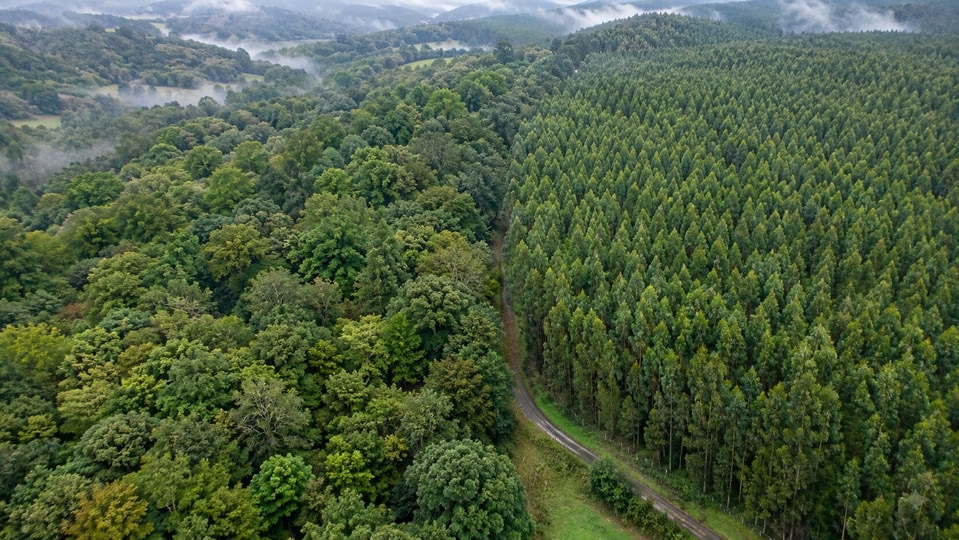
In northwest Spain, two patches of forest can look equally green from a distance. One is native forest. The other is a eucalyptus plantation. Yet a 2025 study in Forest Ecology and Management found they are homes to very different levels of birdlife. Researchers counted birds at 240 spots in and around Fragas do Eume Natural Park in Galicia. The park is one of the few remaining examples of Atlantic coastal forest in the Iberian Peninsula.
Roughly half the birds at each spot
The surveys took place during the 2022 breeding season. In total, 130 locations were sampled in the natural deciduous forests and 110 in eucalyptus plantations. During the survey, one person observed the number of birds seen or heard within 10 minutes at every location. The method did not count raptors, owls, or waterfowl. On average, there were 9 bird species and 14 birds at every natural forest location and 5 species and 7 birds at plantation locations. Of the 19 common species analyzed, 15 were more common and more abundant in native forest. Four, including the wren and the blackcap, showed no clear difference.
There is one catch. The total number of species recorded from all spots was similar: 35 in native forest and 36 in plantations. The gap appears at the level of individual spots: a typical plantation spot held about half as many birds and fewer species than a native forest spot. In other words, plantations did not lack species overall, but each patch supported far less birdlife.
Why eucalyptus is a tough home
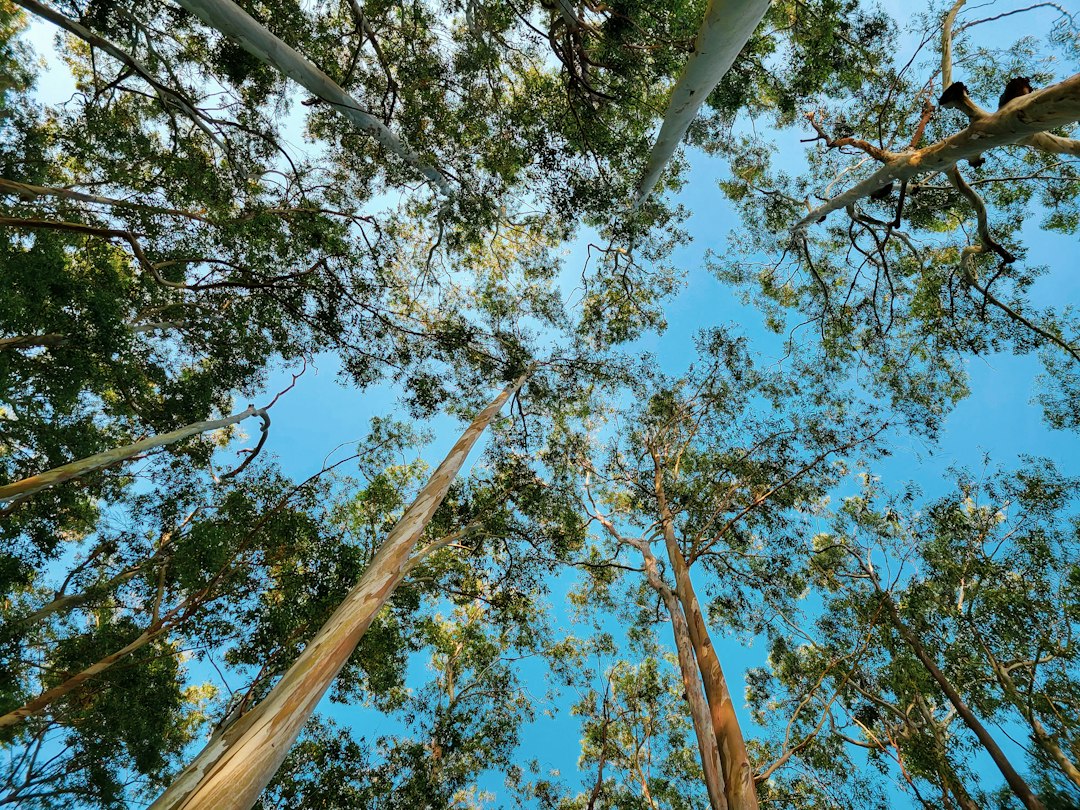
Eucalyptus is not native to Spain. In the northwest part of the country, eucalyptus trees are now present in 30% of the wooded areas. In the park, the scientists say the plantations tripled in size over 60 years. Among the variables in the plot area surveys, the proportion of eucalyptus trees was the most significant factor predicting a lower number of birds. According to the scientists, this is because plantations offer fewer tree cavities for nesting and less insect food for growing chicks. The thick bushes that grow in many plantations were of little help.
Old native trees matter most
Mature native trees had the strongest effect on forest birds. The species of birds dependent on the mature forests, for example the Eurasian nuthatch, short-toed treecreeper, and crested tit, got the biggest help. Mature eucalyptus trees were bad substitutes, benefiting few birds and offering little to these forest-dependent species.
Not the first warning
A 2019 study published in the journal Global Ecology and Conservation compared 14 pairs of native forests and plantations in northwestern Spain. It found that there were fewer bird and herb species in the plantations. The abundance of cavity-nesting forest birds was at least 64% higher in the native forests than in the plantations. The authors concluded that plantations are not a replacement for native forests.
What could help
The 2025 study authors suggest leaving strips within the plantation untouched. That could allow shrubs, native tree species, and deadwood to develop there, providing habitat and food for birds and other wildlife. They also call for stricter plantation policies and for native habitat to be restored within protected zones.
Green cover is not the whole story
This study explores only one region and only the birds, so it does not describe all the plantations around the world. The paper also suggests that some forest birds can thrive in a mixed landscape that includes small plantations of tall trees, which points to the proportion of eucalyptus, rather than its mere presence, as the main concern. Still, its message is easy to hold onto. The forest may appear crowded and green but may have fewer birds. When you hear about tree planting, it's reasonable to ask what trees are going in and what's living among them.


