E-Paper



How Steve and Terri Irwin turned a 3,500-acre land purchase into 44,000 trees and 1,630 more acres of protected habitat
In 1994, Steve and Terri Irwin bought land for koalas, planted 44,000 trees, and added 1,630 acres of protected habitat that still supports wildlife today.

 Prefer HTon Google


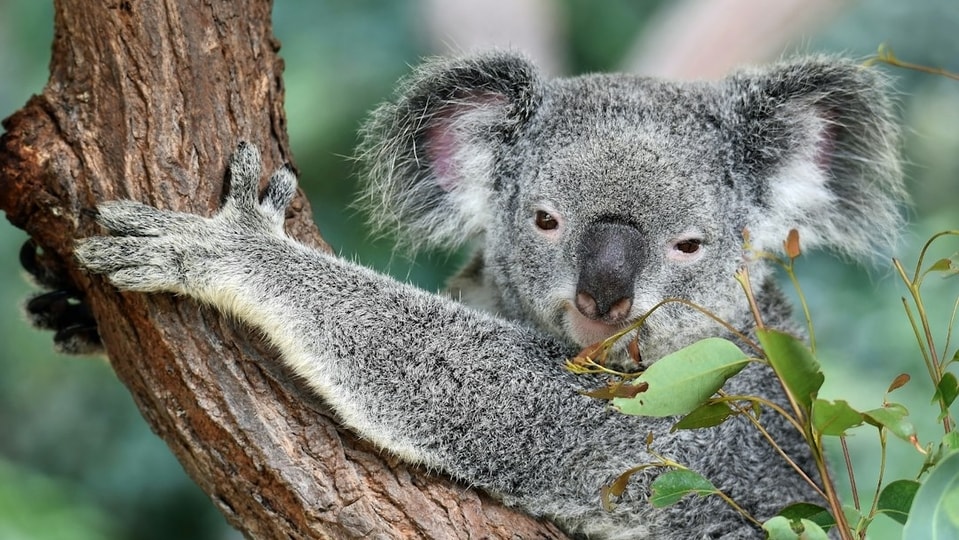
Most of us probably know the feeling. You read a sad story about wildlife, feel bad, and keep scrolling. The Irwins, however, went another way. According to Australia Zoo, which lists Ironbark Station among its conservation properties, the zoo bought the 3,500 acres at Blackbutt, Queensland, in 1994. The property was purchased to restore dwindling koala habitat and boost koala numbers.
They began with trees
Steve and Terri didn't wait. They immediately planted 44,000 eucalyptus trees to begin what would be a pretty long process. Think of it like moving into an empty house. You would need food, a roof, and a way to get around before you can live there. Phillipa Beale, Karen Marsh and Kara Youngentob make a similar point in a 2022 report. Prepared for the Australian government's environment department, it offers guidelines for revegetating koala habitat, built around what is known about koalas' habitat requirements and nutrition.
Why is habitat important?
Saving koalas matters, and so does protecting the habitat they live in. The Beale report is written for landscape managers and restoration practitioners who want to restore or improve koala habitat. The advice is based on peer-reviewed research into koalas' habitat needs and nutrition, the report says. So, the guidance is based on published science, not guesswork.
Deep Dive

The land kept expanding
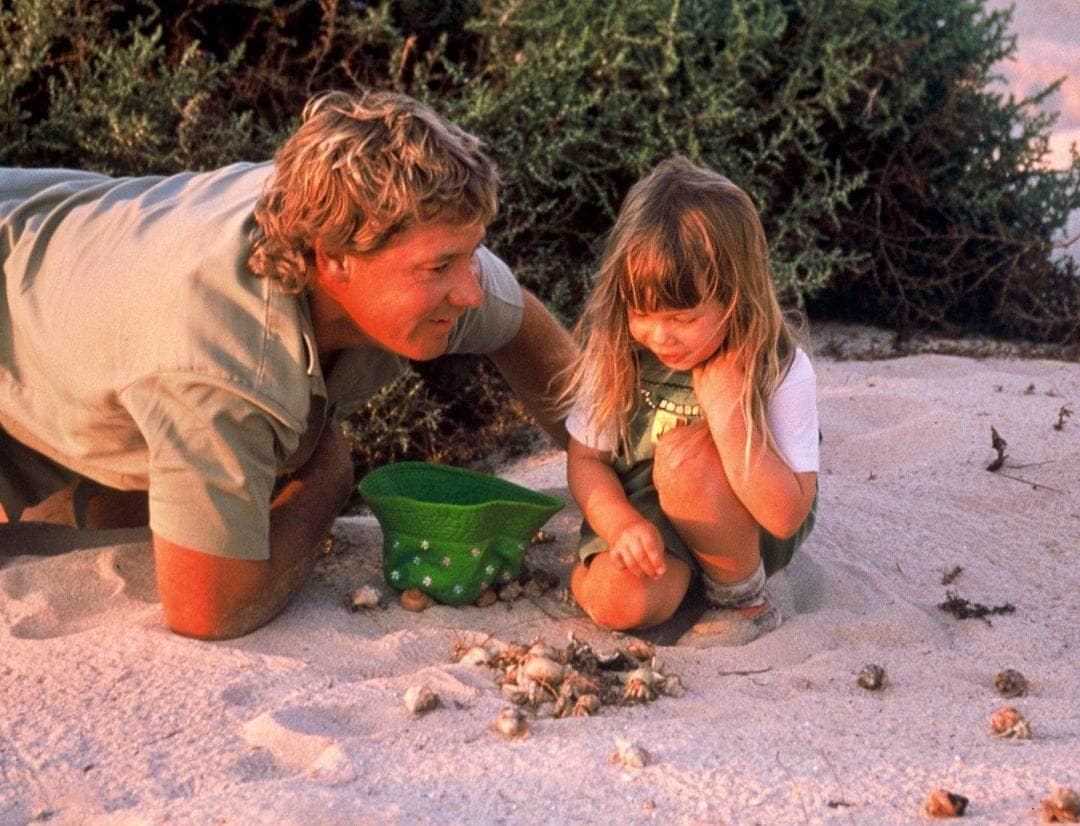
The size of Ironbark Station didn’t stay the same. Australia Zoo says the property has since been expanded by 1,630 acres, solely for the purpose of wildlife conservation in the area. This is the part of the story that is often overlooked. Buying land is only the first step. Looking after it is the daily work.
Planting is half the job
Weeds and invasive plants at Ironbark are preventing native wildlife from moving freely to find food and shelter, according to Australia Zoo. These plants also make koalas prone to attack by wild animals. The Queensland government awarded the property a grant to remove them. The zoo adds that the tough terrain means the project will require special equipment and will take some time.
A related observation is made by Beale and colleagues. The authors say restoration also involves dealing with other threatening processes, not just planting. Meanwhile, more than three decades later, the zoo says its team is still working toward Steve's dream of restoring koala numbers to their once-flourishing level. So, this is not a victory in the bag. It's a story yet to be written.
What we can learn from this
You do not need 3,500 acres to apply the idea in your own life. Big change often starts with one simple plan, and a lot of follow-through. Start with a small, manageable spot, plant the right thing, and keep monitoring the site. A native plant on your balcony or a community planting day might not be a forest, but it builds discipline. Choose plants that are suited to your area, not just what looks pretty. Ask a simple question if you volunteer or donate to a planting project: who will care for the site when planting day is over?
Since 1994, the Irwins’ Ironbark project has shown what patience looks like. Buy the land, plant the trees, fix what's broken, and keep going. In a world of quick fixes and one-click donations, that's a refreshing idea.