E-Paper



Two sisters bought a Cornish island in the 1960s, left it to a trust; today it hosts seals, gulls and butterflies
Sisters Evelyn and Babs Atkins bought Looe Island in the 1960s, then gave it to a wildlife trust. Today, it's a reserve for seals, seabirds and butterflies.

 Prefer HTon Google


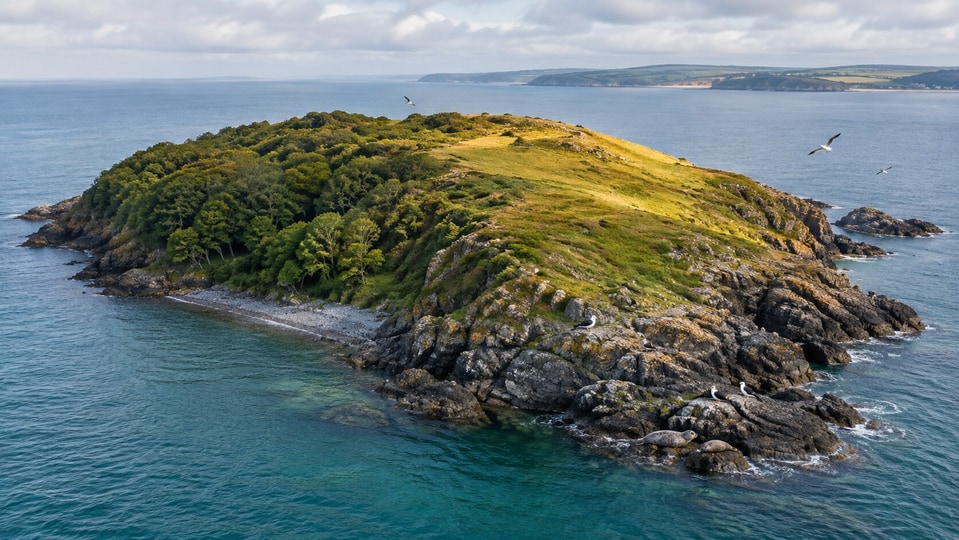
Most of us have daydreamed about escaping to a quiet place. Two sisters actually did it. The Cornwall Wildlife Trust says Evelyn and Babs Atkins bought Looe Island, off the Cornwall coast, in the 1960s and lived there for decades. The island later passed to the trust, which now runs it as a nature reserve.
Life without the usual comforts
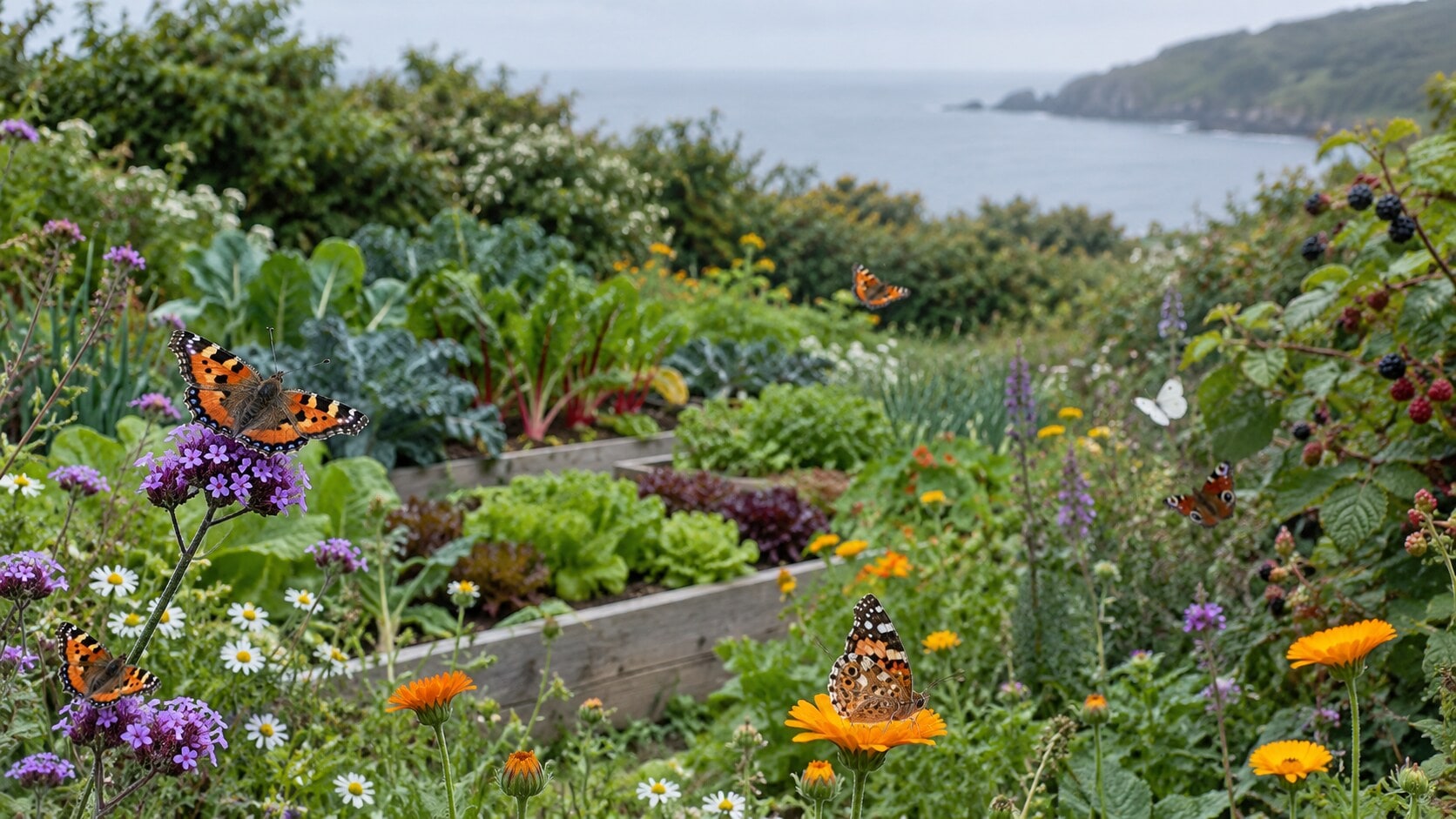
Island life often isn't as easy as it might appear on your social media feed. According to the trust, the island runs without mains water, grid electricity or shops. That's a far cry from a one-tap delivery life. The island has self-sufficient fruit and vegetable plots that help keep it fed. The gardens are managed for wildlife, so even the vegetable patch has a job to do.
A busy home for wildlife
Look closer, and the island isn’t really empty. The trust lists nesting birds such as cormorants, shags and oystercatchers. It also has the largest breeding population of great black-backed gulls in Cornwall. These gulls have a wingspan of around 1.5 meters.
Deep Dive

Gray seals live there too. The trust says adult males are about 3 meters long and can weigh up to 300 kilograms. Butterflies also flourish here. Small wildflower meadows and mixed habitats help moths and butterflies to thrive, with the most common sightings being the speckled wood, meadow brown and red admiral.
Why islands matter well beyond Cornwall
Looe Island is small, but islands matter for a bigger reason. In a 2017 Science Advances paper, Dena Spatz and colleagues started with a stark fact. Globally, biodiversity loss is especially rapid on islands, where invasive species play a major role as drivers of extinction.
The team scoured existing research and consulted more than 500 experts to piece together the full picture. The survey covered some 465,000 islands worldwide. Researchers identified 1,189 highly threatened land vertebrates (as classified by the IUCN) that breed on 1,288 islands. That includes 319 amphibians, 282 reptiles, 296 birds and 292 mammals. These species make up 41% of all highly threatened land vertebrates, according to the study.
The paper adds that the islands studied make up just 0.3% of the world’s estimated 465,000 islands, but 61% of the global island area. Looe Island is one small example, and that study covers much more ground. So the Atkins sisters’ story shouldn’t be read as proof that every island can be saved. It simply shows what one protected place can look like.
What the sisters' choice really did
Their choice didn't solve a global problem, but it did change what happens to one place. For decades the island was the sisters' private home. Evelyn died in 1997, and when Babs died in 2004, the island passed to the trust under her will, becoming a reserve run by a wildlife charity. The trust says the habitats on the island are carefully managed and protected for nature, and visits are only possible on organized trips; that matters because it turns a personal dream into a shared one.
What it means for the rest of us
You don't need an island to think like the Atkins sisters. Most of us won't own a piece of coast. But we can choose something worth protecting. It might be a local park, a shared garden, or even a stretch of shore near home. The scale may change, but the idea remains the same. Care for one place, and let others enjoy it too.