E-Paper



In 2020, a Dutch lake got a floating solar farm; scientists later found unexpected changes beneath the panels
A Dutch floating solar farm changed conditions beneath its panels, giving scientists a closer look at how the technology affects lakes.

 Prefer HTon Google


Solar panels were placed on part of Bomhofsplas, a deep former sand-extraction lake close to Zwolle in the Netherlands, in 2020. The project consists of 72,000 solar panels with a generation capacity of 27.4 MWp, covering 18.25 hectares, or roughly 30% of the lake's surface area. Its size gave researchers an opportunity to examine conditions beneath a large floating solar installation while it was in operation.
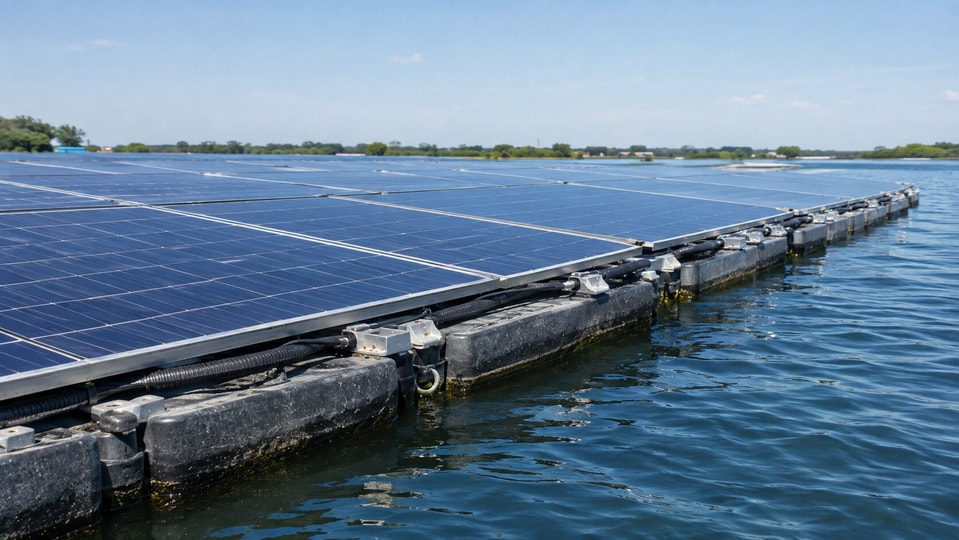
Floating solar can generate electricity without requiring additional land, but installing panels on a lake also changes the surface of the water. The panels can affect how much sunlight reaches the water below and create a different physical environment underneath the array. At Bomhofsplas, researchers set out to determine whether those differences could be detected through direct water-quality measurements.
What the scientists discovered beneath the panels
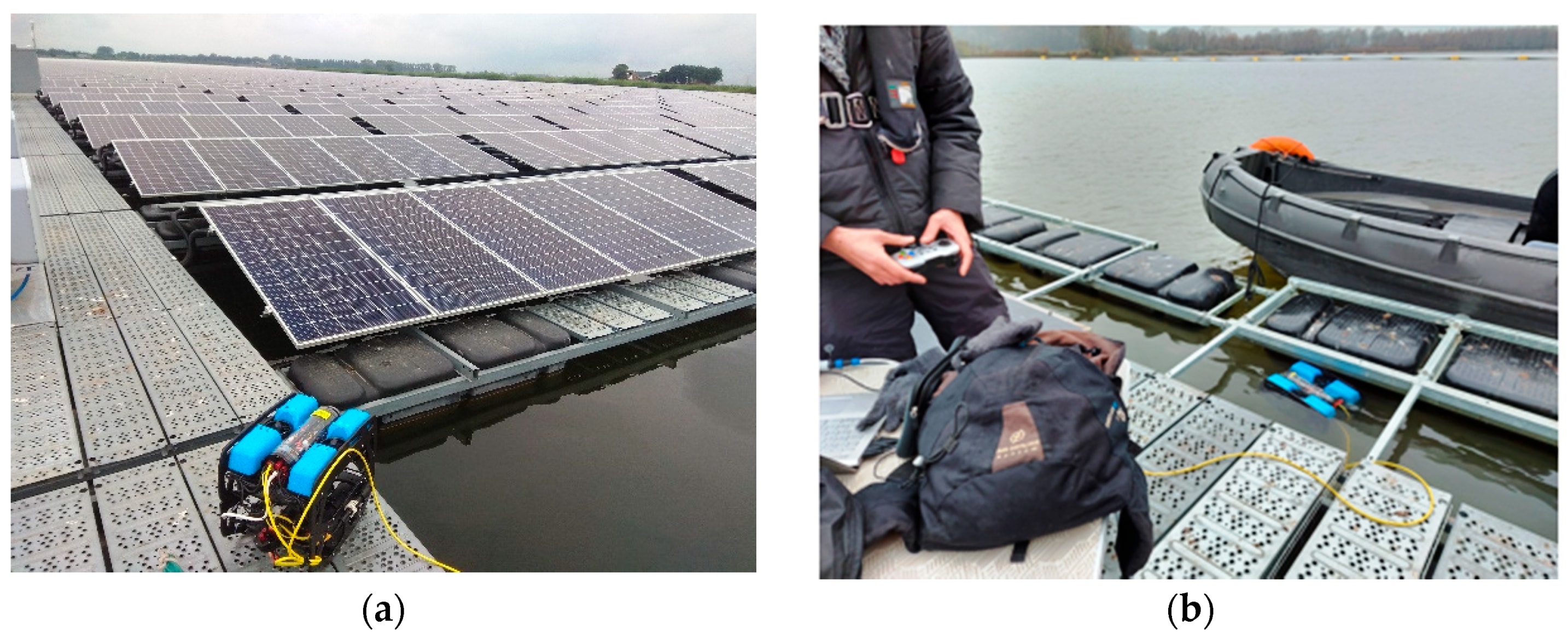
The findings appeared in Sustainability in 2021 in a paper titled In-Situ Water Quality Observations under a Large-Scale Floating Solar Farm Using Sensors and Underwater Drones. The researchers continuously monitored key water-quality parameters at two locations, one beneath the solar park and another at a reference point in open water more than 100 meters away. They also used an underwater drone to collect measurements at different depths and record underwater images.
The comparison showed relatively little difference across the main water-quality parameters that were measured. Still, the researchers found some measurable changes. Water temperature in the upper layers was lower beneath the panels, and fewer temperature fluctuations were detected there. Water-quality conditions remained within healthy levels during the monitoring period, with dissolved oxygen not falling below 6.48 milligrams per liter. Electrical conductivity was also slightly higher at the open-water reference point than beneath the solar park during most of the monitoring period.
The underwater images revealed another feature of the installation. Within a few months of construction, researchers could see a layer of biofouling on the floating structure. Biofouling refers to the accumulation of organisms and other material on a surface that remains in contact with water. Its presence showed that the newly installed structure was already being colonized by organisms, although the observation alone did not establish whether this had a broader effect on the lake's ecosystem.
The researchers also placed clear limits on what could be concluded from their work. Their study focused on a limited set of water-quality measurements and was not a complete assessment of the lake's ecology. They noted that a fuller evaluation would require additional biological and chemical measurements, along with ecological indicators. That distinction is important because detecting a physical change beneath solar panels does not, by itself, show that the wider ecosystem has been harmed.
Why it is worth paying attention to underwater processes
A broader perspective comes from the 2024 review Potential environmental impacts of floating solar photovoltaic systems, published in Renewable and Sustainable Energy Reviews. Rather than examining one installation, the paper reviewed existing knowledge about floating photovoltaic systems in freshwater and marine environments. The researchers grouped potential effects into areas such as shading, changes in hydrodynamics and water-atmosphere exchange, impacts on bottom-dwelling communities, and interactions with mobile species.
Shading is one of the most direct effects. When panels cover part of a lake, less sunlight reaches the water beneath them. The consequences can vary depending on the size and design of the installation, the proportion of the water surface that is covered, and the characteristics of the individual water body. The review therefore highlights the importance of developing appropriate monitoring methods as floating solar expands, rather than assuming that every installation will have the same effects.
This broader review helps put the Bomhofsplas observations in perspective. The Dutch study provides direct measurements from one large floating solar farm, while the 2024 research shows that shading and other physical changes are among several factors worth examining when these systems are installed on aquatic environments.
The evidence does not support describing the Bomhofsplas installation as having transformed the entire lake ecosystem. Instead, it shows something more specific: some physical conditions beneath the panels differed from those at nearby open water, while the main water-quality measurements remained relatively similar overall.
That distinction matters as floating solar becomes more common. The technology may keep solar generation off valuable land, but the panels still occupy part of a living aquatic environment. Understanding what happens below them, through site-specific measurements and longer-term ecological monitoring, can help researchers determine how different lakes and reservoirs respond to floating solar installations.