
 E-Paper


Gold price today: Why is gold near a 7-week low as oil prices rise?
Gold price today stays near a 7-week low as oil prices and US Treasury yields rise, raising inflation and Fed rate hike concerns for gold investors.

 Prefer HTon Google


Gold prices moved slightly higher on Tuesday, but remained close to a seven-week low. Gold had suffered a sharp fall in the previous session, dropping about 4%, as investors reacted to higher oil prices and rising US Treasury yields.
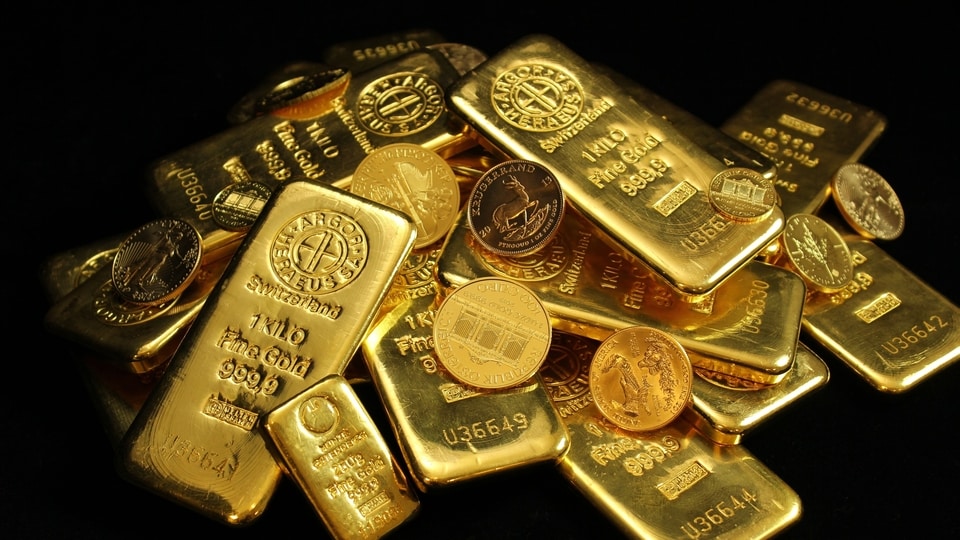
Spot gold rose 0.4% to $4,131.10 an ounce at 00:13 ET (04:13 GMT) on Tuesday. However, gold futures moved in the opposite direction, falling 0.2% to $4,162.32 an ounce, according to Yahoo Finance. The main pressure on gold is coming from higher energy prices and rising Treasury yields. Higher oil prices are raising concerns about inflation, while higher bond yields are increasing expectations that the US Federal Reserve could raise interest rates again.
Why are oil prices rising?
Oil prices continued to rise as the US and Iran remained unable to reach an agreement over the Strait of Hormuz. Talks about reopening the important waterway have remained unresolved, according to the supplied material.
Iranian officials have privately expressed pessimism about reaching a deal with the US before the November midterm elections. This came after President Donald Trump rejected Iran's latest proposal to reopen the Strait of Hormuz within seven days, according to the supplied material. The US-Iran conflict has now continued for eight months. The conflict has disrupted energy flows and added to concerns about future inflation.
How do oil prices affect gold?
Higher oil prices are making investors more worried that inflation could remain high. If energy prices stay elevated, the Federal Reserve may have less room to cut interest rates and could consider additional rate increases.
US Treasury yields hit 19-year high
US Treasury yields have also moved sharply higher, adding more pressure on gold. The 10-year Treasury yield reached a fresh 19-year high on Monday, according to the supplied material. Higher Treasury yields can make gold less attractive to investors. Gold does not pay interest, so when government bonds offer higher yields, investors may see a bigger opportunity cost in holding gold instead of interest-paying assets.
Also read: Why are Dow, S&P 500 and Nasdaq futures wavering today? AI concerns, oil prices in focus
The recent sell-off in the US Treasury market has become stronger over the past month. The selling began after the US-Iran conflict started in late February and has accelerated recently, pushing longer-term borrowing costs higher. The Trump administration has increased Treasury buybacks to try to reduce pressure on longer-term borrowing costs. However, Treasury yields have continued to rise despite those efforts.
Why are Treasury yields rising?
Cleveland Federal Reserve President Beth Hammack said several factors were behind the rise in longer-term Treasury yields. She pointed to expectations of stronger economic growth, concerns about US government debt and expectations for more interest rate increases.
Gold price falls 7% in September
Gold has fallen about 7% in September. The metal was trading around $4,510 an ounce earlier in the month but has since dropped sharply. The decline in gold has come after the Federal Reserve delivered its first interest rate increase since 2023. Fed policymakers have also kept the possibility of more rate increases open as they continue to deal with persistent US inflation.
Will the Fed raise rates again?
Markets are now expecting another possible Fed rate increase in October. The supplied material said markets were pricing in about a 70% probability of another increase. ANZ analysts said gold had fallen to around $4,130 an ounce as rising US Treasury yields triggered renewed selling. They also said higher energy prices were increasing expectations for another near-term Federal Reserve rate increase.
Higher oil prices are therefore creating a double pressure on gold. They are increasing inflation concerns while also pushing up expectations for higher interest rates, both of which can make non-interest-paying gold less attractive.
Also read: Oil supply from the Middle East rises sharply: What happens to crude prices next?
Fed officials warn about inflation
Federal Reserve Governor Lisa Cook also warned about near-term inflation pressures. She said on Monday that productivity gains linked to artificial intelligence may not be enough to offset inflationary pressures in the near term. Cook also highlighted rising investment in data centres. She said the growth of data-centre investment was increasing competition for important resources, including energy and construction workers. ANZ said the short-term economic environment remains difficult for gold. The bank pointed to higher Treasury yields and continuing inflation risks as key challenges for the precious metal.
What could move gold prices next?
Gold investors are now watching the next major US economic data closely. Markets will first look at Wednesday's personal consumption expenditures inflation data, which is the Federal Reserve's preferred inflation measure. The US jobs report will be another major test for the gold market. Friday's nonfarm payrolls report could give investors more clues about the strength of the US economy and the Federal Reserve's future interest-rate decisions.
Other precious metals also moved lower on Tuesday. Silver fell 0.3% to $60.45 an ounce, while platinum dropped 1% to $1,700.17. The US dollar also strengthened slightly. The US Dollar Index rose 0.1% to 101.27, adding another factor that can weigh on dollar-priced gold.
For gold investors, the key issue now is the combination of oil prices, inflation and interest rates. If oil prices remain high and inflation stays sticky, markets may continue to expect higher US interest rates, keeping pressure on gold. Gold's small recovery on Tuesday has not yet changed the bigger trend. The metal remains near a seven-week low after its sharp September decline, with Treasury yields, oil prices and the Federal Reserve's rate outlook continuing to drive the market.


