E-Paper


In 1851,16 house sparrows were released in Brooklyn, reportedly to eat caterpillars; in less than 50 years, they spread
In 1851, about 16 sparrows were released in Brooklyn to eat caterpillars. Within 50 years, they had spread across the US and were crowding out native birds.

 Prefer HTon Google


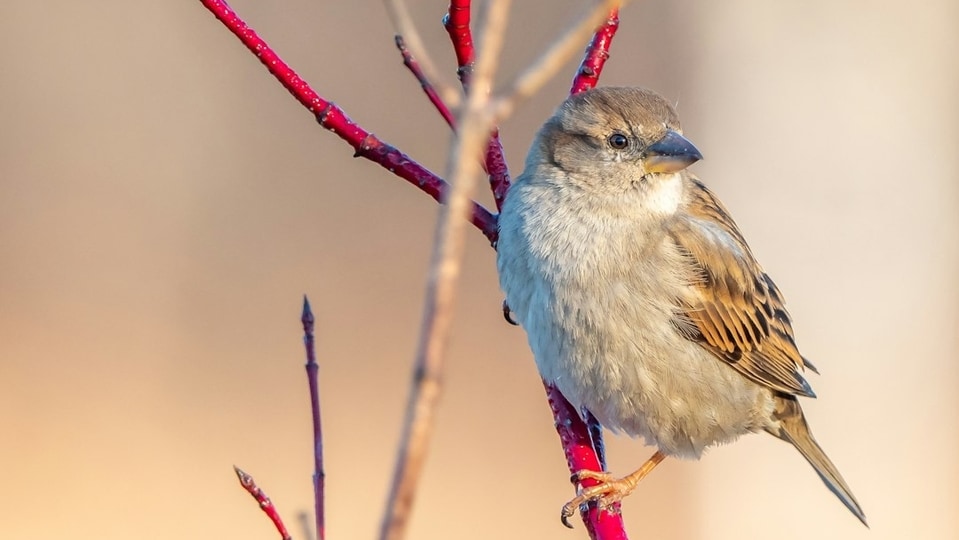
You’ve probably seen one today. A small brown bird hops around a café patio, pecking at crumbs as if it owns the place. It’s easy to ignore, but this bird has an interesting North American backstory. According to a 2010 study in Biological Invasions by Michael Moulton and colleagues, the first house sparrows in the country were released in Brooklyn, New York, in 1851. The authors, from the University of Florida and USDA Wildlife Services, say just 16 birds were probably enough to get it all started.
How 16 birds came to Brooklyn
The study contains an account by Nicholas Pike, who was directing the Brooklyn Institute at the time. He said eight pairs of sparrows were imported from England in 1850. That makes 16 birds altogether. They were kept in cages till the spring of 1851 and then were let loose. The birds reportedly didn't fare too well at first, but the authors suggest that may simply mean people lost track of them.
The plan to protect the city’s trees
Then why bring the birds here? The American Bird Conservancy notes that house sparrows were imported to Brooklyn to eat caterpillars. The hope was to save the city’s basswood trees from the linden moths. It was an unusual plan for such a small bird.
Deep Dive

A messy origin story
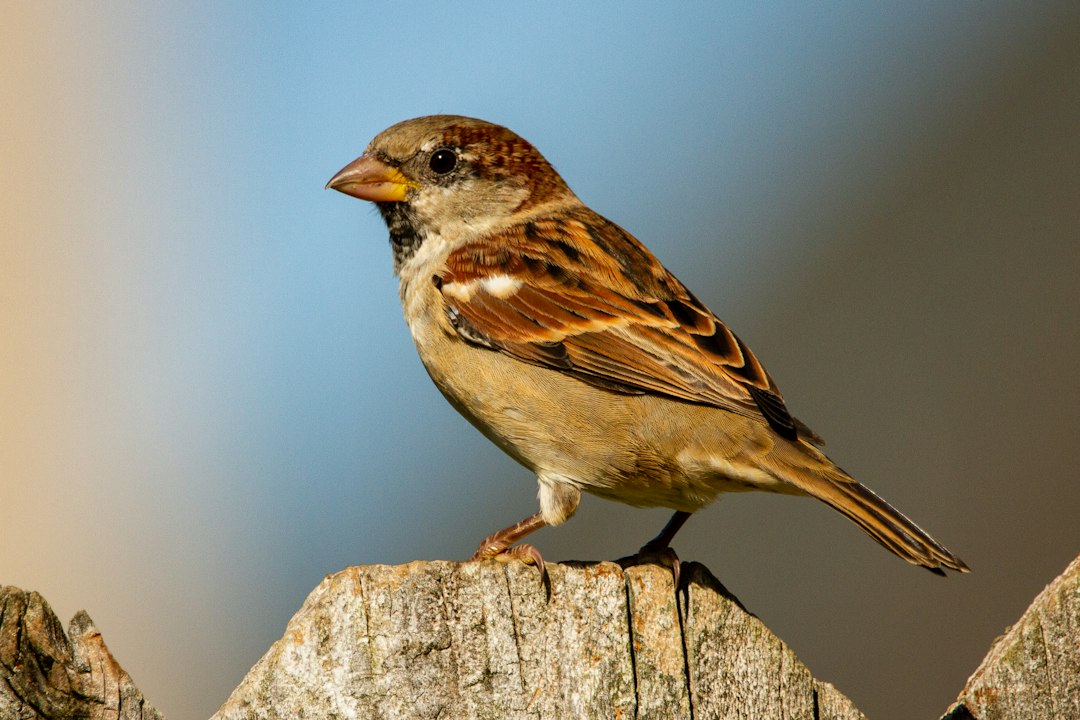
Many writers gave a bigger number over the years. Some said about 100 sparrows were brought in three separate releases. The authors of this study disagree. They say the extra releases rely heavily on one man's memory, recalled decades later. No other record apparently backs them up. Shaky records can often produce shaky conclusions, the authors warn.
A city perfect for sparrows
So how did such a tiny group survive? The study points to horses. There were a lot of them in New York at that time. The spilled grain and horse manure, full of undigested grain, gave the sparrows plenty to eat. The authors could see no reason why 16 birds could not have survived under such conditions. To their eyes, it is more likely that the first birds simply escaped notice after release.
Spreading across a continent
The birds kept moving once they had settled. The American Bird Conservancy writes that the House Sparrow became established throughout the continental U.S. in less than 50 years. That’s a pretty big reach for a bird whose story started in one city. The group also calls it one of the most widely distributed birds in the world.
Problem for native birds
That success, however, was not good news to some. The conservancy reports that House Sparrows are ferocious competitors for nesting space. They’re known to drive native species away from nest boxes. One example would be the Eastern Bluebird. House Sparrows will drive out, and even kill, bluebirds when both want the same nest box. Some farmers also consider the birds pests.
What the sparrow story shows
The sparrow is not a villain; it simply found a favorable environment. New York had enough food, and the people had a plan. The plan didn’t remain small. The Moulton study adds another lesson. Even famous stories can rest on thin records, so it’s worth checking them out. So next time you see a sparrow landing beside your coffee, remember where its story began and how far it has come.