
 E-Paper



Why Ousman Dembélé won the Ballon d'Or 2025: 5 moments that defined his season
Dembélé's contributions were key in PSG's historic treble, highlighted by moments that shifted psychological dynamics and solidified their European status.

 Prefer HTon Google


PSG’s historic treble in the 2024-25 season was forged in pressure-cooker moments where Ousman Dembélé, their talented winger, turned himself into a championship catalyst. After years of heartbreak, PSG finally scaled the European summit, with Dembélé capping it off by winning the Ballon d’Or. It was the cherry on the top for a season that the PSG manager, Luis Enrique, called ‘the perfect season’.
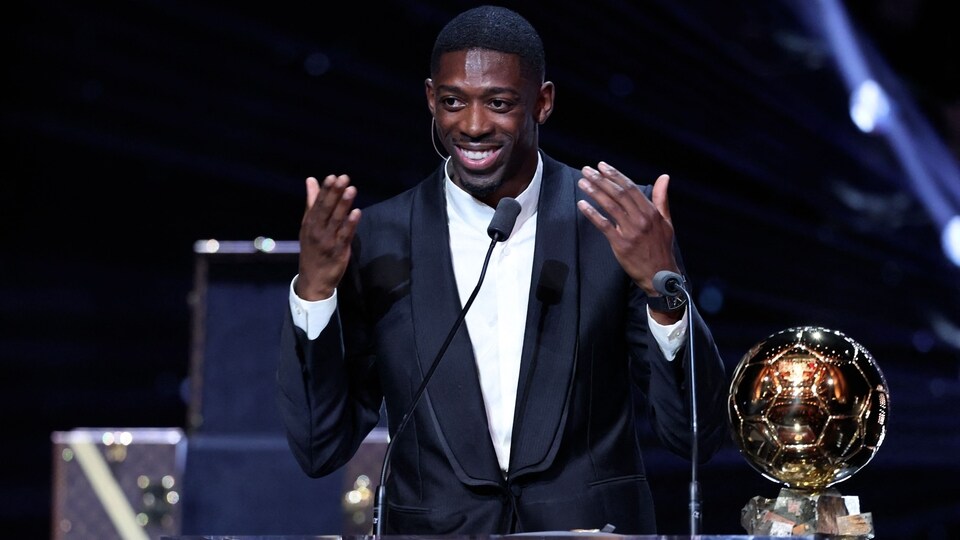
Dembélé’s season numbers of 35 goals and 16 assists tell only half the story. Throughout the season, he made some crucial contributions in crunch situations that demonstrate how elite players bend entire narratives through sheer brilliance and tactical intelligence.
1. The trophy ignition: January 5 vs Monaco
Context: Trophée des Champions
Moment: 90+2’ winner breaking 1-0 deadlock
Strategic impact: Season psychology established
With the match drifting towards the penalties, Dembélé’s late intervention did more than just secure the silverware. It established a winning mentality that would prove crucial throughout the entire historic run of the club. The goal from PSG’s 28th shot of the match highlights both their dominance and their problems with finishing that had plagued them previously.
Why it mattered: Championship seasons often pivot on early psychological wins. By delivering when PSG’s wasteful finishing threatened to undermine their superiority, Dembélé demonstrated the clutch gene in him.
2. The narrative catalyst: January 22 vs Manchester City
Context: Champions League (league stage), trailing 2-0
Moment: First goal in 4-2 comeback
Strategic impact: Transformation of European credibility
While trailing 2-0 to Pep Guardiola’s Manchester City, PSG were on the brink of a repetitive script: domestic dominance, European capitulation. Dembélé’s goal ignited the most significant comeback of PSG’s European history, transforming them from Ligue 1 giants to legitimate continental threats.
Why it mattered: The comeback wasn’t just emotional; it was systematic. Dembélé’s goal triggered a pressing intensity that exposed City’s vulnerability to vertical transitions. Luis Enrique later cited this match as the moment his team understood that they could beat anyone, anywhere.
Ballon d’Or relevance: Big-club victories in elite competition carry disproportionate weight with the voters. Outclassing Guardiola’s City provided the signature win that elevated Dembélé’s claim to the crown.
3. The away goal architect: April 29 vs Arsenal
Context: Champions League semi-final, 1st leg
Moment: 4th minute opener, 1-0 away win
Strategic impact: Tie control established
Early goals in away matches of Champions League knockout football are leverage multipliers. They don’t just provide leads, they rewrite tactical dynamics. Dembélé’s precise fourth-minute finish in Arsenal’s home game forced the Gunners into expansive football that played directly into PSG’s counter-attacking strengths.
Why it mattered: The single goal shifted PSG’s qualification probability from roughly around 50% to over 75%. Arsenal’s game plan, which is based on controlled pressure, dissolved immediately. They were left chasing the tie from the beginning to the end of the 180 minutes.
4. The control master: May 7 vs Arsenal
Context: Champions League semi-final, 2nd leg
Moment: Maximum tactical impact
Strategic impact: Managing the tie
In PSG’s 2-1 second-leg win, Dembélé did not record goals or assists, yet delivered his most sophisticated 90 minutes of the season. Arsenal’s defensive game plan centered entirely around stopping him, creating systematic overloads that freed Fabián Ruiz and Achraf Hakimi to control the tie.
Why it mattered: Elite players impact games beyond goals or just numbers. By drawing consistent double-teams, Dembélé became PSG’s tactical fulcrum without even registering himself on the scoresheet. This kind of gravity creation is what Ballon d’Or voters recognize as true game intelligence.
5. The coronation stage: May 31 vs Inter Milan
Context: Champions League Final
Moment: Two assists in 5-0 demolition
Strategic impact: Cementing his legacy
Champions League finals aren’t spreadsheets; they are the theater. When the biggest stage demanded PSG’s best performance, Dembélé delivered not through goal-scoring heroics but through creative orchestration that turned a final into a procession.
Why it mattered: The combination of competition (Champions League final), venue, opponent, and the margin of win was the perfect showcase for Ballon d’Or. Voters often favor players who rise to the sport’s grandest occasions. Dembélé delivered PSG’s first European crown in historic fashion, thus ensuring his first-ever football’s best.


