
 E-Paper



Nano Banana trend: Not just figurines, these 5 AI tools offer more
The “Nano Banana” trend is transforming photos into lifelike 3D miniatures, but several AI tools offer even more creative possibilities. Read on to know more.

 Prefer HTon Google


A quirky name and an easy-to-use AI tool have pushed the “Nano Banana” trend into global conversations. Known formally as Google’s Gemini 2.5 Flash Image model, it lets users turn photos into hyper-realistic 3D figurines with just a text prompt. From pets and celebrities to personal portraits, people have been generating lifelike miniatures complete with packaging mockups, all without technical skills or investment.
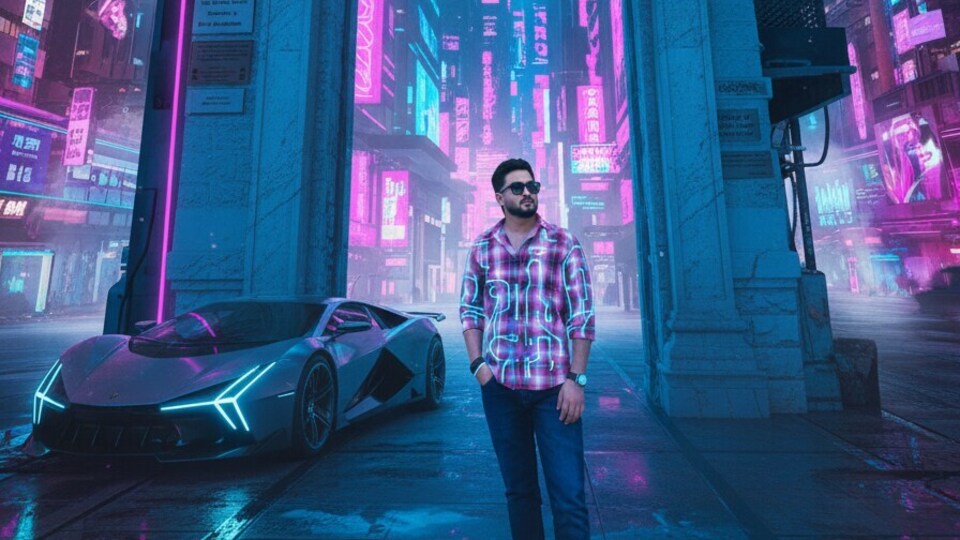

While Nano Banana is dominating social media feeds, several other platforms also offer creative possibilities that go beyond figurines. Here are five alternatives that are drawing attention.
Also read: This cassette tape is made from DNA and can hold every song ever recorded, researchers say
Imagen 4
Google’s main focus in AI imagery is not Nano Banana but its flagship model, Imagen 4. Unlike Nano Banana, which edits existing photos, Imagen 4 creates fresh visuals from scratch. It excels at realism, producing portraits and product shots that resemble professional photography. With improved contextual understanding, it reduces the odd errors that older AI models produced. Users can even start with Imagen 4 and refine results further in Nano Banana, making the two tools complementary.
Also read: iPhone Air, Apple’s thinnest iPhone yet, launched in India: Price, specs and more
OpenAI’s DALL·E 4
Best known for ChatGPT, OpenAI also offers DALL·E 4, a versatile image generator. Its strengths lie in inpainting and outpainting, allowing users to extend images, replace elements, or insert new objects seamlessly. The model responds well to simple prompts, making it suitable for quick, playful creations. While Nano Banana shines in detailed editing sessions, DALL·E remains a strong choice for fast and flexible content.
Adobe Firefly and Adobe Express
Adobe has integrated AI into its Creative Suite through Firefly and Express. These tools combine the power of Photoshop with AI-driven speed, giving users both control and efficiency. Firefly caters to professionals who need branding consistency and detailed adjustments, while Express provides instant results for everyday design needs. For those seeking precision and polish, Adobe’s AI tools stand apart.
Also read: iPhone 17 launched with ProMotion display and A19 chip: Check features and price in India
Canva AI Image Generator
For users focused on social media posts, Canva’s AI Image Generator is a practical option. Integrated into Canva’s design workspace, it generates visuals quickly, with presets tailored to platforms like Instagram. Free credits allow experimentation, and built-in scheduling tools streamline the process from idea to post. It highlights convenience for casual and professional creators alike.
DeepAI
DeepAI takes a different approach by offering unlimited generations and a wide variety of styles. While not as sharp as Google’s Imagen or Nano Banana, it encourages experimentation. With adjustable settings and developer APIs, it functions as a creative playground for those who want freedom rather than polished commercial results.


