
 E-Paper



Samsung may keep the Exynos 2600 chip exclusive to South Korea for Galaxy S26 series: Report
Samsung’s next flagship phones may not share the same processor worldwide, as a new report hints at a restricted rollout for the Exynos 2600 chipset.

 Prefer HTon Google


You may be interested in








Samsung’s upcoming flagship smartphone lineup may follow a split-chip strategy once again, as new reports suggest that the company could restrict its upcoming Exynos 2600 processor to select markets. The Exynos 2600, recently showcased by Samsung as its next high-end mobile chipset, is expected to appear in the Samsung Galaxy S26 series. However, the latest findings suggest that only users in South Korea may receive devices powered by Samsung’s in-house chip.
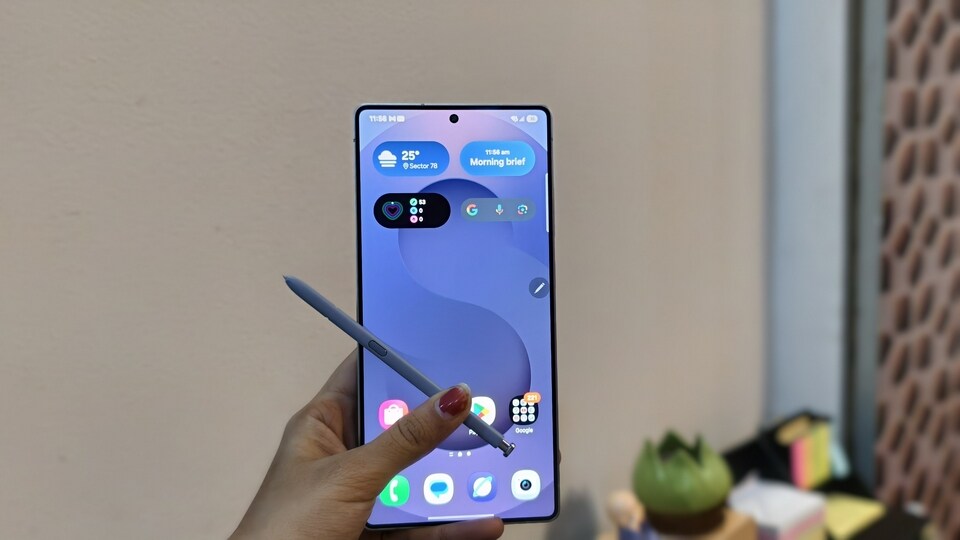

Samsung Galaxy S26 Series: Different Chips for Global and Local Markets
According to the IT Home report, Samsung is preparing two different processor variants for the Galaxy S26 lineup. Global buyers may receive models equipped with Qualcomm’s Snapdragon 8 Elite Gen 5 processor, while the Exynos 2600 chipset may remain exclusive to Samsung’s home market. It seems that the decision is based on concerns about the performance and reliability of earlier Exynos generations.
According to details shared by the South Korean research group CTT Research, earlier Exynos chips faced three recurring issues - kernel-level security flaws, overheating during intensive use, and a low manufacturing yield. These setbacks reportedly influenced consumer preference, as many buyers tended to choose devices powered by Snapdragon chips due to their more consistent performance history. The analysis suggests that Samsung may not be ready to risk a global rollout of its own chip despite recent improvements.
Also read: WhatsApp will soon let you leave a voice message after missed calls - Details
Exynos 2600 Chipset
Samsung has reportedly attempted to address these concerns in the Exynos 2600’s design. The chipset is being built on Samsung Foundry’s 2nm process and may introduce new thermal management technology known as Heat Pass Block. This feature is expected to help maintain lower temperatures by facilitating more efficient heat transfer, which could reduce the chip’s heat levels by up to 30 per cent. The upcoming processor may also use fan-out wafer-level packaging technology, which is intended to enhance efficiency and stability.
Reports also suggest that Samsung Foundry’s 2nm GAA process has achieved a 50 percent yield rate, which marks progress from its earlier 3nm production levels. Even with these advancements, Samsung may still rely heavily on Qualcomm for the Galaxy S26 series. Industry sources claim that Samsung and Qualcomm have agreed to a partnership that will allow Qualcomm to supply processors for about 75 percent of Samsung’s smartphone portfolio next year.
Also read: iPhone 17 Pro loses this popular camera feature despite hardware support: Here’s why?
Qualcomm President and CEO Cristiano Amon also referenced the company’s growing involvement in Samsung’s next-generation flagship devices during Qualcomm’s Q4 earnings call. If the reports hold true, Samsung’s strategy for the Galaxy S26 series may mirror its earlier approach of offering different chipsets depending on the market, with the Exynos 2600 staying limited to South Korean buyers.


