
 E-Paper



That ‘waterproof’ phone you trust? Google now says its protection fades fast and you could already be at risk
Google has admitted the water and dust resistance that comes with IP68-rated phones fades with normal use.


How many of us have bought a “waterproof” phone with the peace of mind that it can handle life’s messy moments? From accidental drops in the kitchen sink to unexpected rain storms, those little IP68 labels are supposed to promise your device can take a splash and keep ticking. But what if that sense of security was only ever meant to be short-lived?
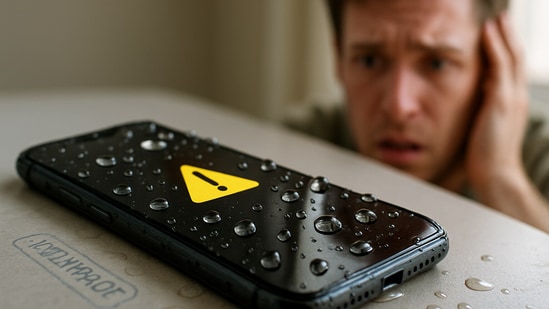

Google has confirmed what many in the tech world have suspected for a while: the water and dust resistance on your phone is not a lifelong guarantee. In its latest support pages, Google states clearly that IP68 protection “may decrease as a result of normal wear,” which means that every little bump, tumble or day-to-day use will slowly weaken your device’s ability to fend off water and dust, The Verge reported.
What IP68 really means
IP68 has become one of the most quoted numbers in mobile marketing, standing for “Ingress Protection” against water and dust. Common understanding is that your device should survive drops in up to 1.5 metres of water for half an hour. That sounds impressive, but here is what rarely gets mentioned: these numbers are awarded in very controlled lab conditions, often when the phone is fresh out of the box. With regular use, the fine rubber seals and adhesives that block water start wearing out. The more you drop your phone, carry it in a dusty pocket, or simply use it daily, the more those barriers shrink. Google’s own quiet admission brings this reality into the open.
Should you trust "waterproof" claims?
Even with strong marketing claims, industry experts have long said that water and dust resistance is really just backup safety, not a permission slip for abuse. In practice, dropping your phone in water once might be harmless, but months or years later, the seals may no longer hold up. This makes warranties tricky too. Many warranties, including those from phone manufacturers, quietly exclude water damage if any seal wear is detected. It is another reason why Google’s latest statement changes the game: the onus is back on the user to pay extra attention to their device’s aging components.
What should users do?
Treat any IP68 device as splash-proof when new, but as it ages, get more careful. Do not assume your phone has lifetime immunity from water or dust. Use waterproof cases if you must, avoid needless dunking, and try to keep your phone away from exposure as much as possible. For those who rely on a rugged device for outdoor work or travel, consider replacing it after a couple of years to maintain the best level of protection.


