
 E-Paper



Women, be careful: 7 types of photos to avoid that can easily be ‘undressed’ by AI dress changing apps
AI dress changing apps: There are 7 common photo types these AI tools rely on — avoid them, and you make their job a hell of a lot harder for perverts.

 Prefer HTon Google


You may be interested in

Neelkanth - Mechanic Consumer Electronic Appliances Theory (I & II Year) - Hindi NSQF Level - 4 ITI Book
 Neelkanth - Mechanic Consumer Electronic Appliances Theory (I & II Year) - Hindi NSQF Level - 4 ITI Book

₹490
Check Details


5% OFF

Consumer Electronic Systems SEM 4 MSBTE K SCHEME DIPLOMA E &TC ENGINEERING
- Consumer Electronic Systems SEM 4 MSBTE K SCHEME DIPLOMA E &TC ENGINEERING
₹233
₹245Check Details

52% OFF

BNF®Smart Camera Wall Mounting Base Premium Replaces for Tp-Link|Consumer Electronics | Security Cameras|1Set Smart Camera Wall Mounting Base Plate
- BNF®Smart Camera Wall Mounting Base Premium Replaces for Tp-Link|Consumer Electronics | Security Cameras|1Set Smart Camera Wall Mounting Base Plate
₹389
₹814Check Details
Be careful about what kind of photos you’re putting out there. A full-length shot in a sharp business suit on LinkedIn can be turned into a bikini pic in seconds — no skill, no money, just one AI app that pops up on the first page of Google Search. The scary part is that these apps are now getting better in terms of accuracy.
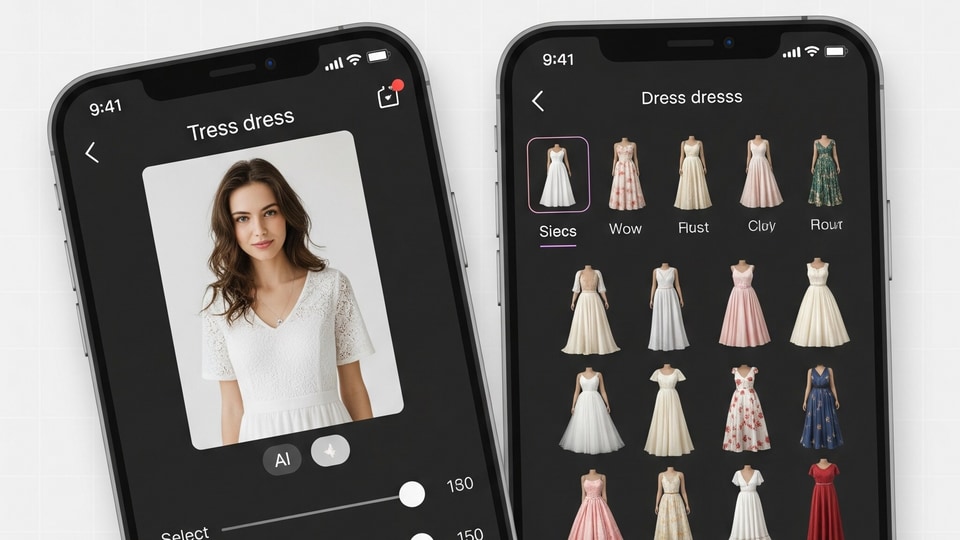

Across India, women are discovering their social media photos are being misused by AI-powered “dress changing” tools that digitally strip clothes and create fake nudes. No consent. No clue. Just a clear image and a screenshot.
These apps are floating around on Telegram channels, and the dark web. Many free AI dress changing apps that ‘gets-the-job-done’ can be accessed through a simple Google Search for free. And they’re not going after celebrities. They’re targeting everyday women: students, professionals, influencers, even homemakers.
Why blame just shady apps? Google has announced its own AI dressing changing app called “Doppl”. This app is currently available in the US and does not support try-ons for shoes, swimwear, lingerie, or accessories, yet.
All it takes is a screenshot of one solo, full-body image. That’s enough for the algorithm to generate a fake lingerie or nude version that can look realistic, without the woman ever knowing.
The threat is real. But there are ways to prevent your public photos from being misused. There are 7 common photo types these AI tools rely on — avoid them, and you make their job a hell of a lot harder for perverts.
7 types of photos you should avoid posting
If you want to stay active on social media but reduce your risk, avoid uploading these photo styles:
1. Full-length, solo shots
AI tools work best on clear, front-facing, full-body pictures — especially when you’re alone in the frame. Stick to waist-up or group shots when possible.
2. Single-layer or body-hugging clothes
Tight outfits or visible body outlines make it easier for AI to guess what’s underneath. Layered clothing like jackets, dupattas, or scarves are harder to fake.
3. Photos with plain backgrounds
Blank walls or clean backdrops are ideal for AI detection. Instead, use natural settings like streets, parks, or indoor scenes with visible objects.
4. Unedited high-resolution images
Crystal-clear, high-res images give AI more data to process. Slightly reduce resolution or apply filters before posting.
5. Photos without watermarks
A small watermark, even a light diagonal one with your name or username, can confuse AI and lower the chances of misuse.
6. Straight-on poses with arms by the side
Straight posture with arms by your side makes it easy for AI to outline your figure. Natural poses — crossing your arms, holding a bag, or turning sideways — make manipulation harder.
7. Similar photos posted frequently
Posting the same type of pose or angle often gives AI more data to learn from. Vary your photo style and frequency.
Why AI dress-changing apps are dangerous
These tools use machine learning to scan a photo, detect the body outline under clothes, and generate a manipulated version of the image — sometimes changing traditional Indian outfits into revealing bikinis, lingerie, or outright fake nudes.
Unlike Photoshop, these apps don’t need skill. All they need is the right kind of photo — which is where your caution comes in.
What can Indian users do to keep a check
India has one of the largest internet user bases, but awareness about image misuse is still low. Here’s how you can stay ahead:
- Set your profile picture visibility to private on Facebook, Instagram, and WhatsApp. While WhatsApp blocks profile pic screenshots on the app — but anyone can still grab it using WhatsApp Web or the desktop app.
- Avoid posting in public forums or large WhatsApp groups.
- Run a quick check using Google Reverse Image Search or tools like PimEyes to see if your photos are being misused.
- If your photo is being misused, report it immediately at https://cybercrime.gov.in under Section 66E or 67 of the IT Act.


