E-Paper



Google researcher says AI may 'kill us all' in exit post: ‘We might be running out of time’
A Google DeepMind safety researcher has resigned from his position, citing fears of unchecked artificial intelligence growth

 Prefer HTon Google


A Google DeepMind safety researcher has resigned from his position, citing fears of unchecked artificial intelligence growth. Bilal Chughtai is the latest AI researcher to warn about the potentially dire consequences of AI. In a social media post, the London-based researcher said he had resigned “from Google DeepMind, where I worked on AGI safety and alignment research”.
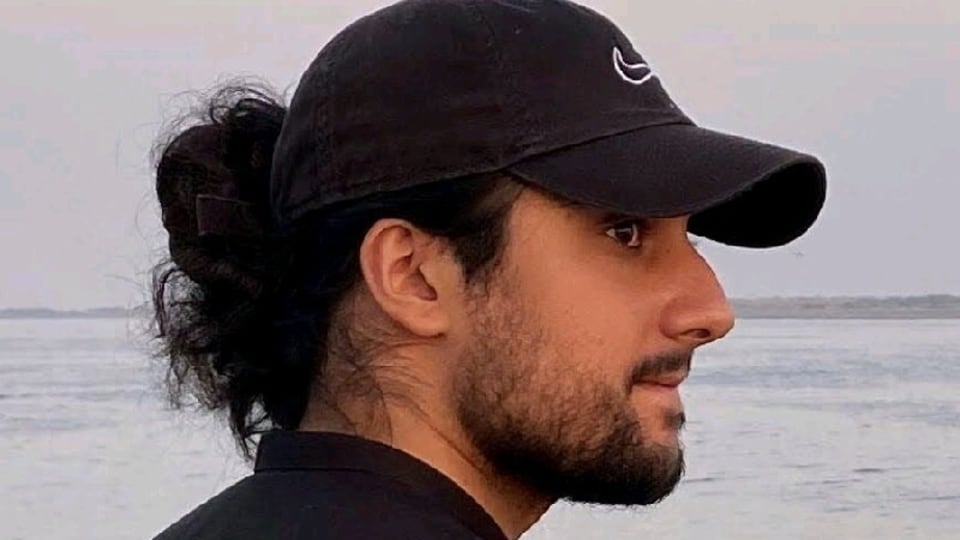
“At Google, I witnessed AI development first hand. I too am extremely concerned by the default trajectory of this technology,” he said in a social media post this morning.
Could AI kill us all?
Bilal Chughtai’s resignation follows the resignation of Anthropic researcher Jacob Coxon. Like Coxon, Chughtai also voiced concerns about AI killing humanity in the near future.
(Also read: ‘AI could kill us all by end of decade’: Anthropic researcher quits, issues dire warning)
“I earnestly believe that AI has the potential to kill us all, and that we might be running out of time to avoid this outcome,” he warned.
Chughtai further echoed the concerns of top AI leaders by saying that AI research had grown tremendously in recent years. Days earlier, Anthropic CEO Dario Amodei had made a public call to slow down the pace of AI research, which was then endorsed by OpenAI's Sam Altman, Microsoft CEO Satya Nadella and Google's Demis Hassabis.
“The pace of AI progress in the past few years has been staggering,” Bilal Chughtai said, noting serious incidents of AI systems taking actions autonomously.
“When I first started working on AI in early 2022, AIs were amusingly useless. Just four years on, AI agent swarms from OpenAI are cracking famous century-old math problems and, more worryingly, escaping the control of OpenAI and autonomously hacking into the third-party company HuggingFace, against anyone's wishes.”
“Death of humanity”
Chughtai indicated that his main fear is that companies could soon build superintelligent AI — systems that are better than humans at almost everything. He warned that superintelligence could permanently reduce humanity's ability to control its own future, or even cause human extinction.
“I think it's possible that the AI companies might, in the next few years, succeed in building superintelligent AI systems that far exceed human capabilities in every domain.
“I am not confident that these AI systems will do what we want. In particular, misaligned superintelligences may, much like the rogue AI agents involved in the HuggingFace incident, escape our control and take dangerous actions that may result in the permanent disempowerment or death of humanity,” the former Google DeepMind researcher warned.
“Worse, we are not on track to solve alignment in time: frontier AI capabilities are improving much faster than our understanding of AI alignment,” he added.
AI alignment science is the research field dedicated to ensuring that artificial intelligence systems act in accordance with human instructions. Essentially, it makes sure that AI interprets what humans actually want rather than misinterpreting instructions and causing harm.
A note of optimism
Despite these grim warnings, Chughtai ended his message on a positive note, saying that navigating AI safely is possible.
He proposed to slow down the race between AI companies and introduce more coordination and transparency.
“I am optimistic that navigating AI safely is possible. In order to do so, we need to coordinate to avoid this manic race between AI companies,” Chughtai wrote in his X post.
(Also read: Could AI kill humans? Anthropic CEO Dario Amodei responds)