
 E-Paper


Mild electric shocks to the brain may temporarily remove bias linked to objectification of women, study finds
Researchers said the findings do not mean that brain stimulation can stop sexism. But they said that it can give insight into how objectification works.

 Prefer HTon Google


Mild electrical shocks to the brain can temporarily change how people see sexualised images of women, reducing a bias linked to treating women as objects, a new study has found.
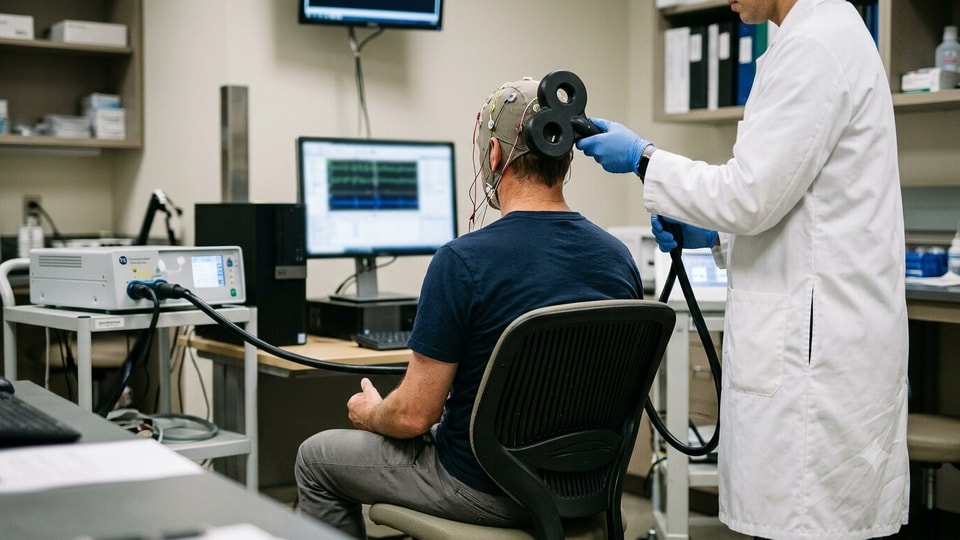
According to a report by The Independent, the study, conducted by the University of Exeter, found that applying a mild electrical current to the scalp for 10 minutes helped participants recognise upright images of sexualised women more easily. It also removed the difference in how participants processed such images of men and women.
However, researchers said the findings do not mean that brain stimulation can stop sexism. But they said that it can give insight into how objectification works.
Professor Ciro Civile, who led the study, said, “Sexual objectification means treating a person as a body to be looked at or used, rather than as a whole person. It’s dehumanising and most often experienced by women.”
“Our findings are initial evidence that the way our visual system processes sexualised images of women can be changed, at least temporarily, by mildly stimulating the brain. This was a lab study – we didn’t measure attitudes or behaviour, and brain stimulation is no cure for sexism – but it gives us a new way to study how objectification works,” he added.
How the study was conducted
Published in the journal Social Neuroscience, the study involved 76 students, including 54 women and 22 men. Participants were shown images of male and female models wearing underwear. The images were shown both upright and upside down. Later, they were shown a mix of the same images and new ones and asked to identify the models they had seen earlier.
Half of the participants received mild electrical stimulation to the scalp for 10 minutes. The other half received a placebo treatment, with stimulation lasting just 30 seconds. Neither the participants nor the researchers knew who had received the active treatment.
(Also Read: Female AI agents paid 10% less than male counterparts for same work, study finds)
What did the researchers find?
In the group that received the placebo treatment, participants found it easier to recognise upright images of male models than upside-down ones. However, the difference was much smaller for images of female models.
Among those who received electrical stimulation, participants became better at recognising upright images of women. The difference between how they processed images of men and women also disappeared.
Professor Civile said earlier studies had tried to reduce this bias by changing images or influencing how viewers thought about the people in them. These methods included blurring or pixelating sexualised body parts and giving viewers information that helped them see the people as individuals.
The new study took a different approach by using electrical stimulation to change how the brain processed the images.
“Both groups saw exactly the same pictures, so the bias seems to lie in how we process the images rather than in the images themselves, which opens new avenues for understanding how gender-based biases arise in perception,” Professor Civile said.
Sexual objectification has been linked to a greater tolerance of harassment, as well body shame, eating disorders, anxiety and depression.
The researchers said more studies are needed to understand whether changes in how people process images can also affect their attitudes and behaviour in everyday life.


