E-Paper



US men lose their lives after using bat poop as fertiliser for cannabis plants
Two US men died from a rare fungal infection after using bat poop as fertiliser for cannabis.

 Prefer HTon Google


In a bizarre and tragic case from Rochester, New York, two men died after inhaling spores from bat faeces, known as guano, while planning to use it as fertiliser for cannabis cultivation. The rare lung infection, identified as histoplasmosis, proved fatal despite medical interventions, according to a case report published earlier this month in the Open Forum Infectious Diseases journal.
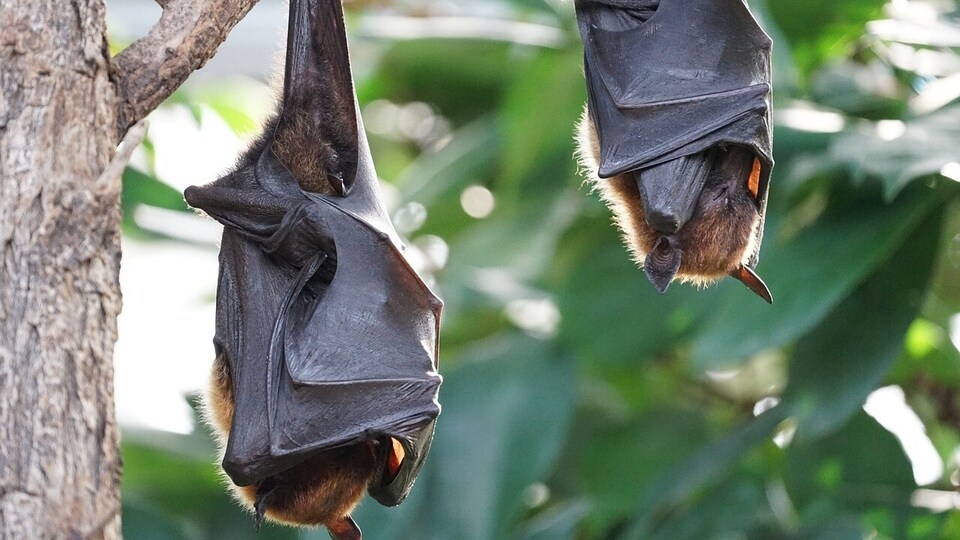
The source of infection
The first man, aged 59, had purchased bat guano online, hoping to use it as a natural fertiliser. The second, aged 64, had collected the guano from a bat-infested attic in his home. Both men intended to leverage its reputed benefits as a “natural superfood” for plant growth, a practice often advocated on cannabis cultivation forums.
Unfortunately, they unknowingly exposed themselves to Histoplasma capsulatum, a harmful fungus commonly found in bat and bird droppings. The spores, when disturbed and inhaled, caused severe respiratory infections.
(Also read: Uber Eats driver shocked to find over 20 grams of marijuana wrapped as burrito during 'high-flying' delivery)
Fatal symptoms and medical efforts
Both men developed alarming symptoms, including chronic cough, high fever, severe weight loss, and blood poisoning. Their conditions quickly worsened, culminating in respiratory failure. Despite antifungal treatments and medical care, neither man survived.
The report highlights the increasing prevalence of histoplasmosis across the United States. Once confined to the Ohio and Mississippi River valleys, the fungal infection now occurs widely across central and eastern parts of the country. An estimated one to two cases per 100,000 people are reported annually in the US.
The risks of bat guano and lack of awareness
Bat guano has gained popularity among cannabis growers due to its perceived benefits for plant growth. However, experts caution that improper handling of guano poses significant health risks. The case report emphasised the need for increased public awareness and stringent safety measures to prevent similar tragedies.
(Also read: Woman named ‘Marijuana Pepsi’ faces job discrimination: ‘It’s a problem, but…’)
“It is crucial to raise awareness among both medical professionals and the public. Commercial fertilisers containing bat guano should be tested for Histoplasma capsulatum before reaching the market,” the report stated.
CDC’s warning and precautions
The US Centers for Disease Control and Prevention (CDC) advises against disturbing environments with large amounts of bat or bird droppings, such as attics or caves. For significant accumulations, professional removal services are recommended to minimise exposure risks.