
 E-Paper



Indian-origin Howard professor explains why US companies prefer H-1B workers: 'They're cheaper and easily controlled'
Howard professor Ronil Hira says US firms prefer H-1B workers because they’re cheaper and more controllable.

 Prefer HTon Google


Indian-origin Howard University professor Ronil Hira has weighed in on the H-1B controversy, arguing that US companies overwhelmingly prefer H-1B workers because they are cheaper and more easily controlled.
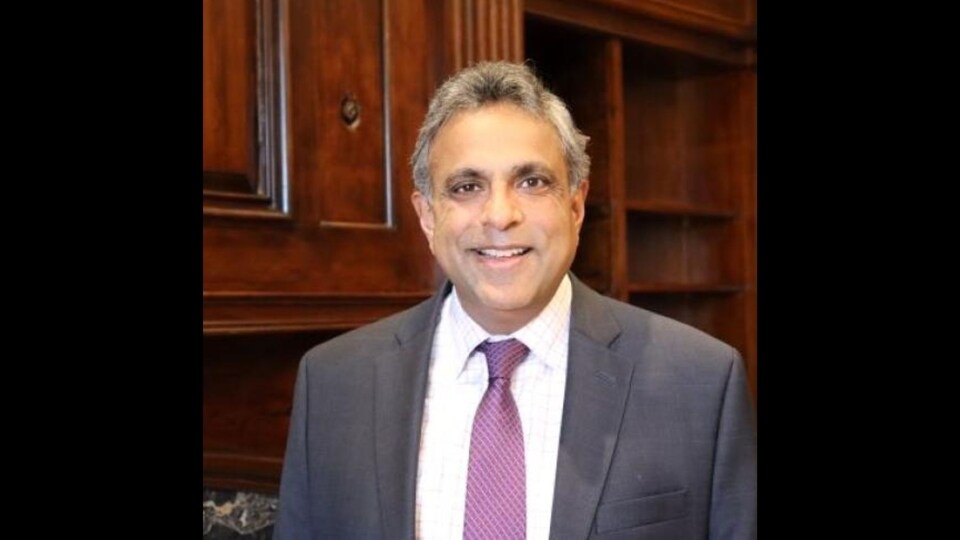
Speaking on the show System Update, Hira said it is “a no-brainer” why corporations favour H-1B employees. “Most of the people coming to the US on H-1B visas have ordinary skills, skills that are abundantly available from American workers,” Hira said. “Employers prefer the H-1Bs because they can both be legally paid less than American workers, and secondly, they’re controllable, they’re indentured to the employer,” he explained.
The processor clarified that while the programme does bring in some highly qualified professionals, the larger issue lies in its structure. “It's kind of a no-brainer for employers to prefer the H-1Bs. On the other side, there are some very highly qualified people who come on H-1Bs, and so the real issue is how do you fix the program so that most of the people coming in are actually filling genuine skill gaps and not coming in because they are cheaper and controllable," Hira said.
(Also Read: ‘Forget the H1B grind’: Ex-NRI explains why moving to Hyderabad was the right choice)
Howard professor explains why corporations prefer H-1Bs
Hira argued that the H-1B program is often misunderstood as part of immigration policy when it is fundamentally a labour policy mechanism. “The larger issue here is that it gets muddled with immigration. The H-1B program is a guest worker program. This is really a labour policy. It's not an immigration issue but a labour issue. You are intervening into the labour market, injecting workers here. You should have a high bar to inject workers who have fewer rights, who are sort of second class in a lot of ways and their worker protections are just very weak,” he said.
“Any guest worker program needs very strong worker protection. H-1B has very weak worker protection, and that’s why employers love it, Silicon Valley loves it, and that’s why most workers don’t like it.”
(Also Read: H-1B visa holder laid off within a month of returning to US: 'No company is worth blind loyalty')
Trump on H-1B visa program
Notably, Ronil Hira’s comments come days after US President Donald Trump appeared softer on H-1B as he admitted that America doesn’t have workers with “certain talents” to fill jobs needed domestically. “You (the United States) don’t have certain talents, and people have to learn. You can’t take people off an unemployment line and say, ‘I’m going to put you into a factory where we’re going to make missiles,’” Trump told Fox News.


