
 E-Paper



A Drug Kingpin Who Faked His Own Death and Fled Justice Runs Out of Luck
Wilmer Chavarria was arrested in Spain after running his alleged drug operation from abroad for four years.


 Prefer HTon Google


Wilmer Chavarria was living the good life after faking his own death.
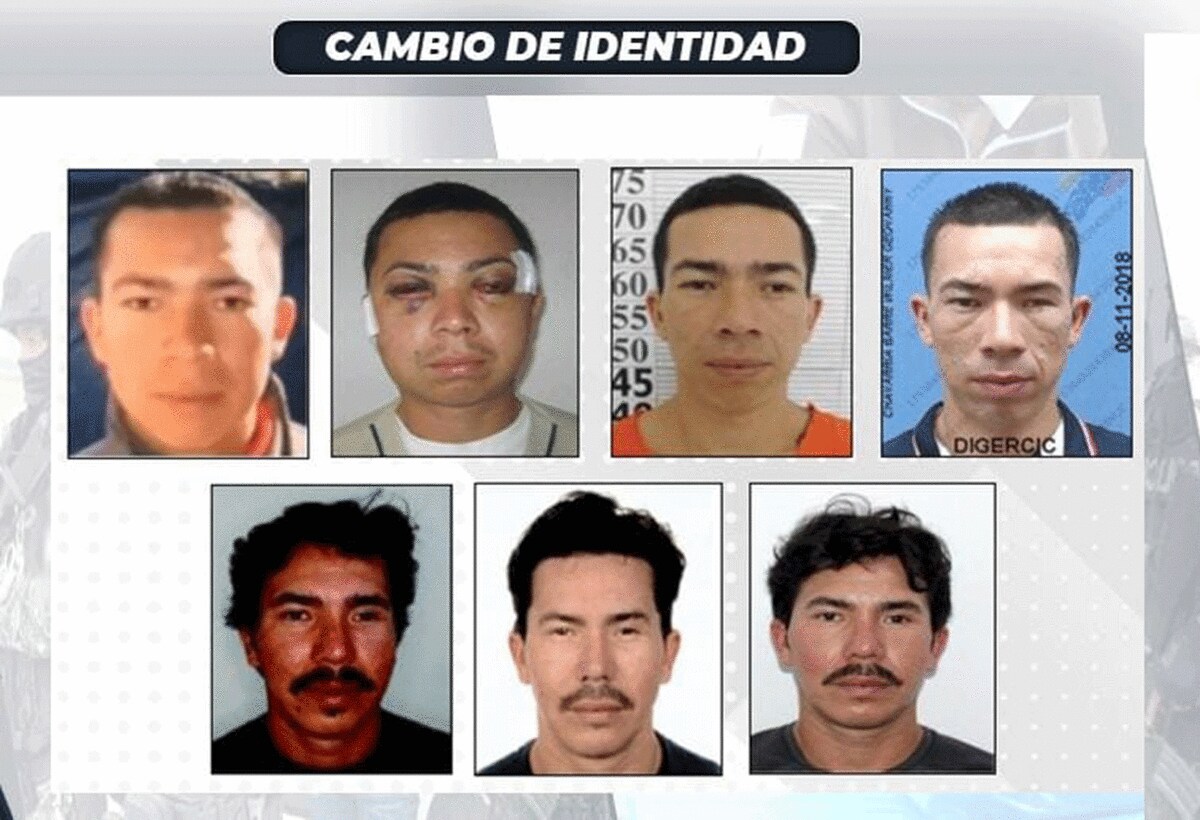
For four years, the Ecuadorean drug boss allied with Mexico’s Jalisco cartel moved among Dubai, Morocco and Spain, allegedly overseeing his drug empire and hit jobs back home—all while staying at the most exclusive hotels, Ecuador’s government said. To avoid detection, he underwent seven surgeries to alter his appearance and changed his name to Danilo Fernández.
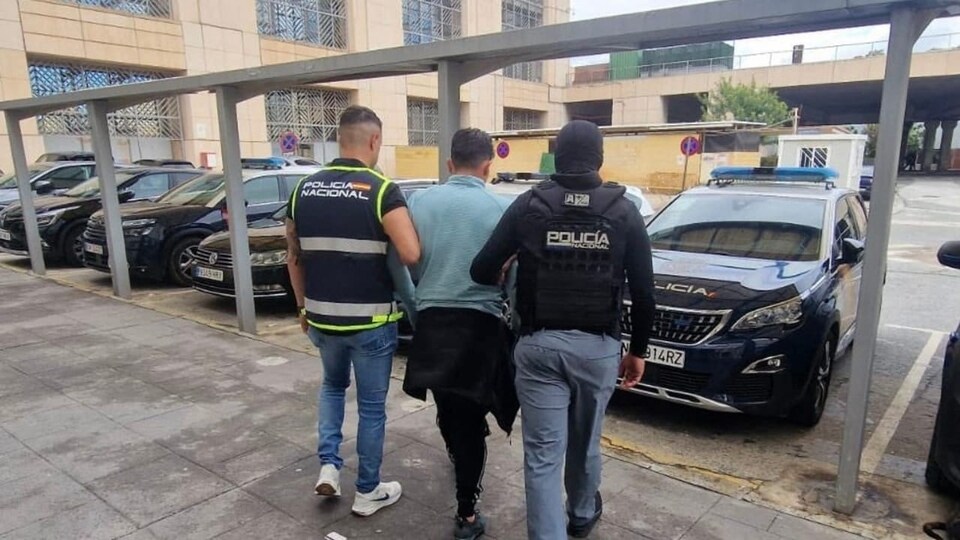
Chavarria’s luck ran out Sunday when Spanish authorities arrested him at the airport in the Mediterranean coastal city, Málaga, where he was traveling from Morocco. A top Ecuadorean security official called him the most dangerous criminal in the country’s history, responsible for 400 killings. U.S. Deputy Secretary of State Christopher Landau said he was “one of the most notorious organized-crime figures in Latin America.”
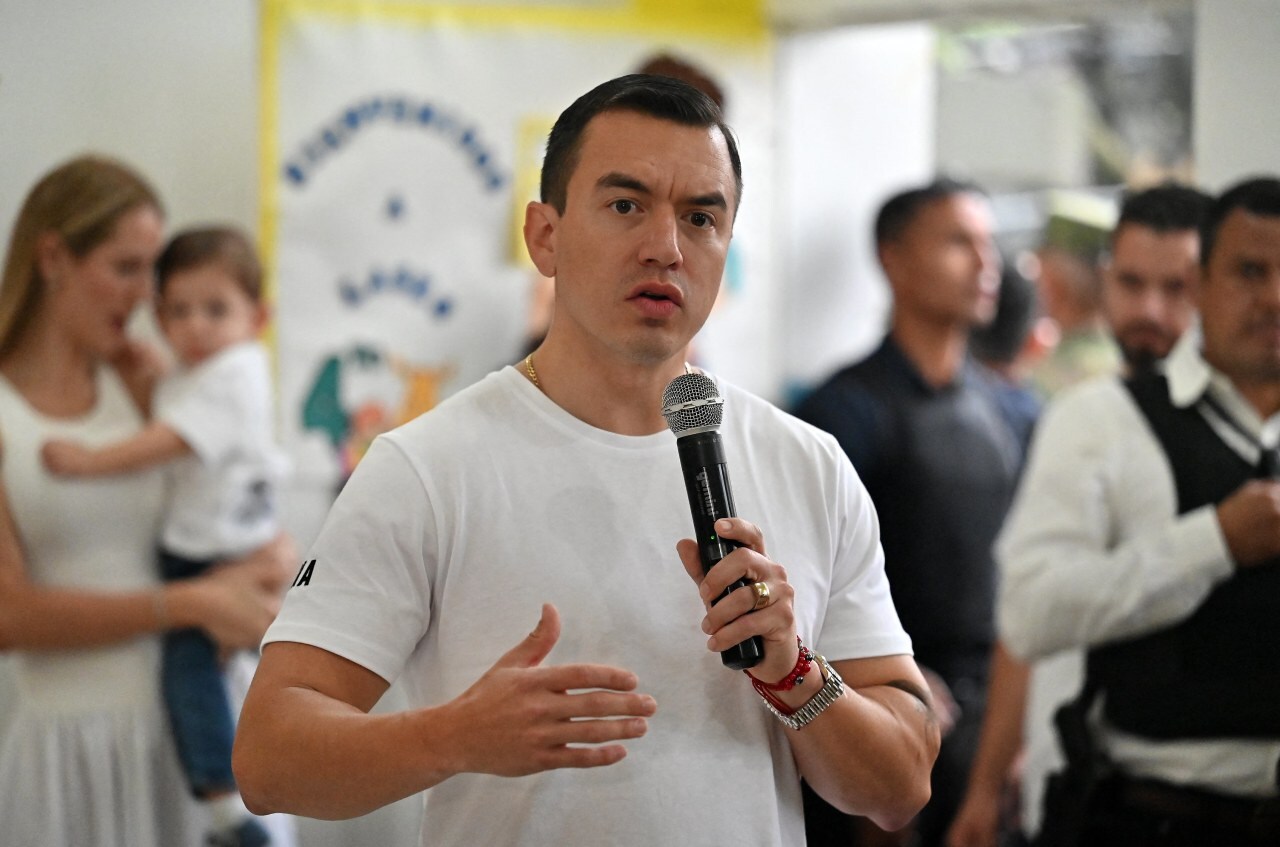
“Some wrote him off as dead,” said President Daniel Noboa of Ecuador. “We searched for him in his very own hell.”
Chavarria, who is better known by his alias Pipo, is the latest drug kingpin to fall in Ecuador. He is also the last of an original group of crime bosses alleged to be responsible for a surge of violence that began with mass prison killings in 2021 before spilling into the streets.
Ecuador is now one of the world’s most murderous nations. Killings in Ecuador have increased about 800% since 2018 and are on track for a record this year of about 50 homicides per 100,000, according to Ecuador police data. Four of the world’s 10 most homicidal cities are now in Ecuador, says the Igarapé Institute, a Brazilian think tank.
Chavarria emerged from an Ecuadorean criminal underworld once dominated by a prison gang that works with Mexico’s Sinaloa cartel to move Colombian cocaine north. Chavarria and his gang, the Wolves, were employed as assassins.
When the prison gang’s leader was killed in 2020, violence exploded. The Wolves fought with other gangs for drug routes and power.
Under Chavarria, the Wolves grew to become the country’s most powerful gang, backed by Mexico’s Jalisco New Generation cartel, according to U.S. and Ecuadorean officials. In addition to drug trafficking, they also expanded into illegal gold mining, extortion and other crimes.
As gang violence escalated in 2021, Chavarria pretended to have died by using a fake death certificate, said Ecuadorean Interior Minister John Reimberg. Chavarria’s family claimed he died of a heart attack brought on by Covid-19, but senior police officers said they suspected he was still alive.
He fled Ecuador in 2022 with a forged Colombian passport after getting a fake Venezuelan ID. He often traveled to Spain and other European countries to oversee drug shipments, said Reimberg.
“He stayed at the most expensive hotels in Europe, money that came from drug trafficking, illegal mining and murder,” said Reimberg. “There will be no impunity.”
From abroad, Chavarria oversaw the Wolves, which authorities say participated in the 2023 assassination of presidential candidate Fernando Villavicencio. The U.S. and Ecuador have designated the Wolves as a terrorist organization, whose thousands of members are allegedly responsible for car bombings, prison massacres and political assassinations.
Noboa won re-election this year on a platform of using an iron fist to crack down on gangs like the Wolves, but he has been unable to stop the bloodshed. He has deployed soldiers to patrol the streets and to retake prisons once controlled by gangs. He recently opened a new maximum-security prison.
On Sunday, his security plans suffered a setback after Ecuadoreans rejected plans to change the constitution to allow foreign military bases to operate in the country. Its passage would have paved the way for the return of a U.S. base used for counternarcotics operations.
The defeat of the constitutional change came a month after a car bomb killed one and injured others after exploding outside the Sheraton Hotel in Guayaquil, the coastal city on the front lines of the drug violence. Days before Sunday’s referendum, officials said more than 30 inmates were killed—many hanged—by rivals in a prison in the city of Machala.
Mario Pazmiño, former head of Ecuador’s army intelligence, said it was unclear who could take over the Wolves. A leadership fight could spark more violence among the gang’s factions.
“Each one of them is going to try to take control of the organization,” he said. “It will reorganize in order to continue its criminal activities.”
Deadly leadership battles are a problem that has long plagued other nations at the epicenter of Latin America’s decades-old drug war, underscoring the difficulty of stanching violence and curbing the flow of drugs.
“This is sort of at the core of why really resolving the problem of drug trafficking is so complicated,” said Renata Segura, the International Crisis Group’s director in Latin America. “There is a seemingly endless number of people willing to take on these very dangerous ventures because of the amount of wealth it produces.”
In Mexico, a war broke out between the families of the founders of the Sinaloa cartel after the capture of patriarch Ismael “El Mayo” Zambada in 2024. Zambada said he was betrayed by the son of his longtime associate Joaquín “El Chapo” Guzmán, sparking a battle between the two families vying for control of the cartel.
More than 2,000 people have been killed and an additional 3,000 people have gone missing since the conflict broke out 14 months ago. Mexican security forces have been unable to stop the violence. President Claudia Sheinbaum blames the capture of Zambada for the violence.
In Colombia, a 2016 peace accord with the Revolutionary Armed Forces of Colombia was celebrated after the rebel group had terrorized the country for decades, with kidnappings, extortion and attacks on small towns.
But after it put down its weapons, thousands of fighters demobilized in some of Colombia’s most lucrative cocaine-producing regions, leaving a power vacuum. That led to an influx of armed groups battling it out for the spoils.
Write to Ryan Dubé at ryan.dube@wsj.com


