
 E-Paper



‘Forced to wear it’: Afghan women TV anchors cover faces on air after Taliban order
The Taliban's latest order was among the slew of restrictions they imposed since seizing powers of Afghanistan last year.

 Prefer HTon Google


Days after the Taliban's latest order, women presenters on Afghanistan's top news channels went on air on Sunday with their faces covered. On Saturday, many of the news anchors had reportedly defied the diktat to conceal their appearance on TV but their employers had come under pressure.
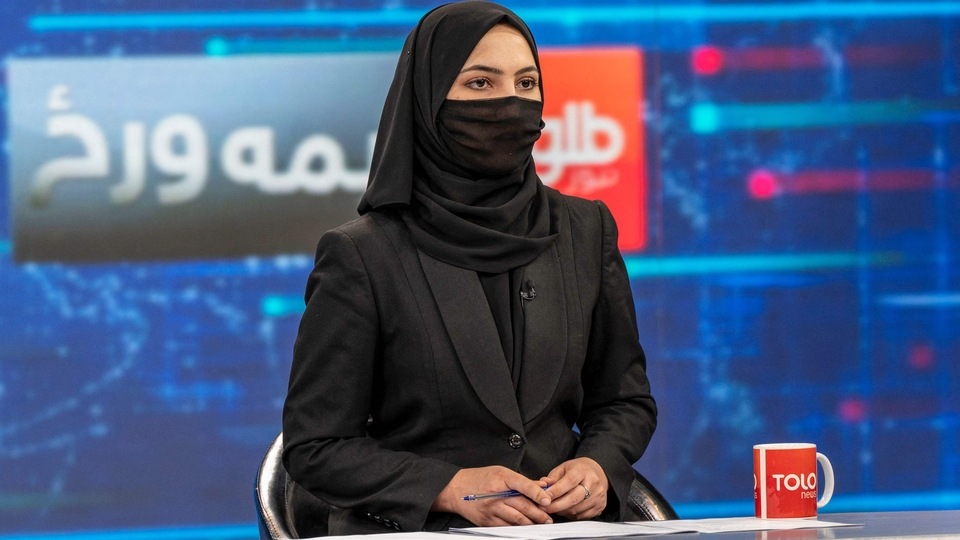
The Taliban's latest order was among the slew of restrictions, mostly targeting the rights of women and girls, they imposed since seizing powers of Afghanistan last year.
Earlier this month, Afghanistan's supreme leader Hibatullah Akhundzada issued a diktat for women to cover up fully in public, including their faces, ideally with the traditional burqa.
On Sunday, wearing hijabs and face-covering veils, women presented and reported on news bulletins and other programmes across popular channels such as TOLOnews, Ariana Television, Shamshad TV and 1TV, reported BBC.
Sonia Niazi, a presenter with TOLOnews, told news agency AFP that they had resisted and were against wearing a mask. "But TOLOnews was pressured and told that any female presenter who appeared on screen without covering her face must be given some other job or simply removed," she said.
"TOLOnews was compelled and we were forced to wear it," she added.
Earlier, women presenters in Afghanistan were only required to wear a headscarf. TOLOnews director Khpolwak Sapai said the channel was "forced" to make its staff follow the order.
"I was called on the telephone yesterday and was told in strict words to do it. So, it is not by choice but by force that we are doing it," he said.
Meanwhile, male journalists and employees of TOLOnews wore face masks in the channel's offices in solidarity with women presenters.
Ministry spokesman Mohammad Akif Sadeq Mohajir said authorities appreciated that media channels had observed the dress code.
He, however, said the Taliban authorities were not against women presenters working in the channels.
During the Taliban's first time in power from 1996-2001, they imposed overwhelming curbs on women, requiring them to wear the all-encompassing burqa that even covered the eyes with a mesh and barring them from public life and education.
(With inputs from agencies)


